

A Concerned Scientist @BE@qoto.org
Moved full time to my other account @BE soon as this instance is still having issues.
Joined Nov 2022
@PacificNic @Edelruth @NilaJones
From what I understand, so far H5N1 contaminated milk has been extremely viscous. I think the lack of concern is two-fold. One, pasteurization. Two, what they've seen so far wouldn't be palatable to people.
Fair! I was imprecise. I was talking about H5N1 while saying "bird flu" and I would change "There's any number of zoonotic diseases that are a mutation or two away from infecting people" to "There's any number of zoonotic diseases that are a mutation or two away from mass infecting people."
For instance, one reason previous versions haven't taken off across people is because they are good at replication at 40C(bird respiratory tract), but don't replicate well at 32C(human respiratory tract).
https://journals.plos.org/plospathogens/article?id=10.1371/journal.ppat.1000424
I've pointed this one out a couple of times just to get thinking about how it's not just receptors. There's physical differences in different hosts that have to be overcome as well. It's a multi-step process for the virus.
"Bird flu" as a general term now, was first discovered in 1878. The next mutation could be the one, or it might not be. The step to more mammalian spread, first reported in 2022 and studied in 2023 was a big deal. We'll see what's next.
I had no scheduled time today for journal reading, but, when I saw this article I had to take a break from other stuff and give it a read. Apologies if I missed anything. As always, point out if I did, or if I misinterpreted anything.
https://www.thelancet.com/journals/laninf/article/PIIS1473-3099(24)00171-3/fulltext
I find this interesting, because next to a large-scale autopsy study(I do not know why this hasn't been done), this is probably the next best thing to look for viral persistence.
In their own words:
"This single-centre, cross-sectional cohort study was done at China–Japan Friendship Hospital in Beijing, China, following the omicron wave of COVID-19 in December, 2022. Individuals with mild COVID-19 confirmed by PCR or a lateral flow test scheduled to undergo gastroscopy, surgery, or chemotherapy, or scheduled for treatment in hospital for other reasons, at 1 month, 2 months, or 4 months after infection were enrolled in this study. Residual surgical samples, gastroscopy samples, and blood samples were collected approximately 1 month (18–33 days), 2 months (55–84 days), or 4 months (115–134 days) after infection. SARS-CoV-2 was detected by digital droplet PCR and further confirmed through RNA in-situ hybridisation, immunofluorescence, and immunohistochemistry. Telephone follow-up was done at 4 months post-infection to assess the association between the persistence of SARS-CoV-2 RNA and long COVID symptoms."
So, in short, what did they find? In patients who no longer tested positive via nasopharyngeal RT-PCR, a lot of viral persistence, in both "viral RNA" and "subgenomic RNA" but not universal viral persistence. Of course, they were unable to search all tissues in anyone's body, so that's not to eliminate the possibility that it was elsewhere in any test subject.
The big question to me here, and at least on my first read I think they were careful not to discuss it; was the viral RNA replicating? Given the lack of discussion on it in the article, let's just move on, but it's in the back of my mind.
Viral RNA was found, overall, in 30% of solid tissue samples collected at one month, 27% of those at two months, and 11% of those at 4 months. Further, additional subgenomic RNA was detected in 61% of samples that had viral RNA.
Also, viral RNA was detected in blood plasma, white blood cells, and peripheral blood mononuclear cells(think T cells and B cells here) of 9 patients, all of whom were immunocompromised, but none in 10 patients who were immunocompetent. Of course, everyone is immunocompetent until they're not.
Importantly, "Detection of viral RNA in recovered patients was significantly associated with the development of long COVID symptoms" and "Patients with higher virus copy numbers had a higher likelihood of developing long COVID symptoms."
There's an awful lot here, but a few other things were interesting to me:
- An even split, essentially, in long COVID between men and women.
- 78% of the patients with long COVID had 3 vaccine doses(I'm sorry, vaccination does not mean you can't get long COVID and it can't be said enough) while 86% without long COVID had 3 vaccine doses. Only 6% were unvaccinated in both the long COVID and no long COVID cohorts.
- 46% of the long COVID cohort were given one of oseltamivir, baloxavir, nirmatrelvir–ritonavir, famciclovir, and ganciclovir, while 52% of the no long COVID group were.
- Viral RNA was found in:
liver, kidney, stomach, intestine, brain, blood vessel, lung, breast, skin, and thyroid
but not pancreas, gallbladder and appendix.
- "Furthermore, to explore whether any difference in viral load was due to different concentrations of the SARS-CoV-2 receptors ACE2 and TMPRSS2, we compared the expression levels of ACE2 and TMPRSS2 in tumour tissues and paratumour tissues, and the results showed that the mRNA levels of ACE2 (p=0·83) and TMPRSS2 (p=0·49) were not significantly different"
- "Long COVID symptoms at 4 months were significantly associated with viral persistence at 1 month and 2 months post-infection but not at 4 months."
- "The host cell dysfunction caused by viral persistence might be a crucial aspect of long COVID pathogenesis."
@Edelruth @PacificNic @NilaJones
No argument there. That would be another significant step.
You make some fantastic points, and I think that, genuinely, the average person(talking US here as I'm not knowledgable about how this translates worldwide) doesn't know better. They've been told by capitalist industries that if they slap a few solar panels on their McMansion, buy an electric car and recycle that they'll save the world.
Overall I like your alarmist TED talk. I can't blame anyone for worrying about this.
Here's the deal, to me. There's any number of zoonotic diseases that are a mutation or two away from infecting people. Before COVID I would say 99.9% of people never gave them a second thought. They will only increase as human population digs deeper into forests and whatnot, and with climate change.
On bird flu itself, I'm moderately alarmed, but, I was moderately alarmed a year ago, and the cows thing hasn't QUITE moved me beyond that.
https://jamanetwork.com/journals/jama/article-abstract/2801499
Mammals, in general, was what moved it from mild to moderate, at least for me.
But here's the thing. That last step, or a few steps, into virulent spread in humans might be tomorrow or it might be the 2120 pandemic. These things have a tendency to not happen on anyone else's schedule.
I think I mentioned this recently, and you've talked about COVID precautions overlapping with H5N1 precautions, but where we're at in our family is that we did a fresh mask fit test a week or two ago. I read the WHO and USDA updates, and, yes, the USDA is being super sketchy about this, which has piqued my curiosity. It's hard to tell if they're purposefully hiding something, if they're just totally in bed with industry, or if they're incompetent.
Prepare, not panic. I think @NilaJones mentioned stocking up on meat from a local farm, and while I thought that was brave with all the vegans lurking around, it was good advice for the meat eaters amongst us. Know your egg substitutes.
A Concerned Scientist
boosted

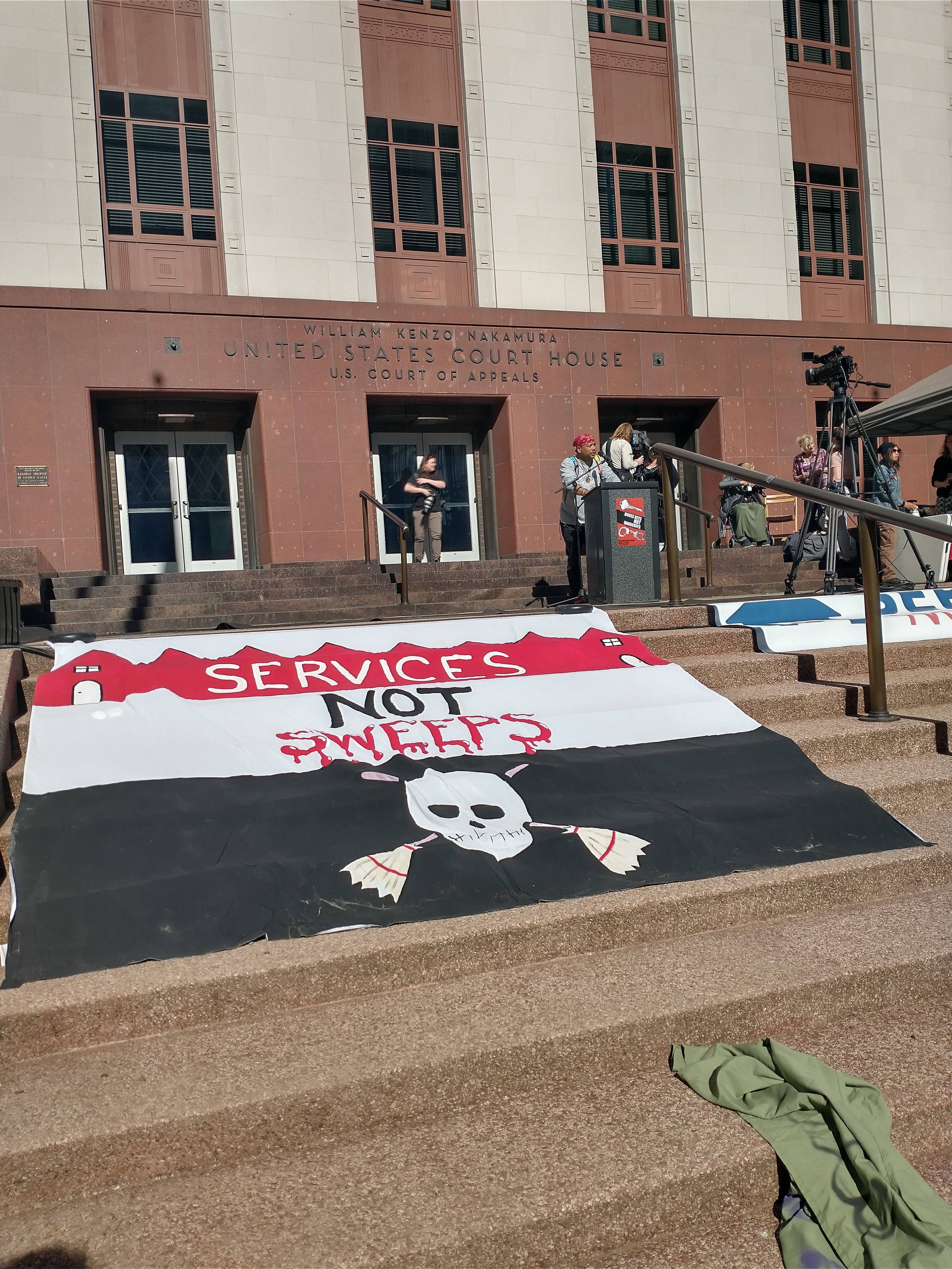
This afternoon I'm at the Houses Not Handcuffs rally in Seattle.
This morning the US supreme court heard oral arguments in the Grants Pass v Johnson case. This case deals with the rights of homeless people and considers whether the act of sleeping outside can be criminalized.
A Concerned Scientist
boosted

Concern grows as bird flu spreads further in US cows: 32 herds in 8 states - Enlarge / Greylag geese sit on a field and rest while a cow passes by i... - https://arstechnica.com/?p=2019245 #avianinfluenza #dairycows #infection #outbreak #science #birdflu #herds #virus #cows #h5n1 #milk #usda #cdc #fda
A Concerned Scientist
boosted

talking to my 75 yr old mom who has breast cancer & went to the doc today for what seems to be a full body drug resistant bacterial skin infection (very itchy and painful) and she’s telling me how the doc of course is not masking and also telling her all about the major medical conference he just flew in from and I just… really cannot with healthcare professionals in full covid denial — I literally can’t imagine taking an oath to do no harm and then being willing to hurt and kill your patients
A Concerned Scientist
boosted

Sunday night's excitement about an upload from the #USDA of sequence data on the #H5N1 #birdflu outbreaks in cows led to frustration Monday as scientists realized key information had been left out of the files. Without it, it's very hard to assess what's going on. https://www.statnews.com/2024/04/21/usda-releases-h5n1-bird-flu-genetic-data-eagerly-awaited-by-scientists/
A Concerned Scientist
boosted

Holy Crap. I didn't think it was possible, but #NASA got #Voyager back online.
https://gizmodo.com/nasa-voyager-probe-making-sense-months-gibberish-1851427197
A Concerned Scientist
boosted

The *only* way we can adequately manage risk in healthcare in a pandemic with an airborne pathogen is by having sustainable processes & resources in place to cope with a high volume of cases.
Stockpiles of disposable PPE expire & run out quickly, ramping up processes/skills takes too long, & we can’t rely on building infrastructure being brought up to scratch in a hurry.
Airborne precautions for respiratory tract pathogens needs to be an increasing part of our healthcare routine.
A Concerned Scientist
boosted
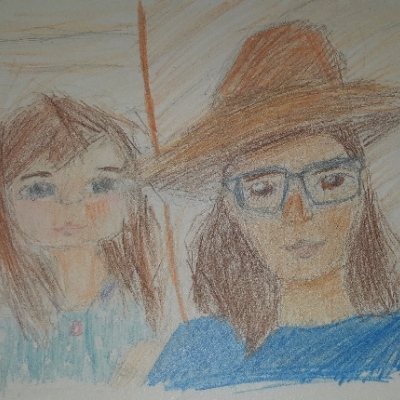
Today I did in-person shopping for only the second time this year. At Costco the person who checks your membership card had a 30 second coughing fit before she could look at my card. She apologized and said it was allergies. I pointed at my mask and said that it works great for allergies. Blank stare in return. 🙃
It's quite stressful doing shopping when I'm not used to it. I did get some decaf coffee beans that taste great. 😀 Lots of fresh fruit that's too expensive elsewhere.
I do find it weird with gasoline now being almost 2 dollars a litre how every enormous truck races from one red light to the next.  They're probably angry about the environmental tax. 😂
Very much appreciated!
I sincerely appreciate that offer! If she were still working in the brick and mortar classroom I bet she'd take you up on it.
She, however, works at a school that's been doing virtual school for decades for a few years now. She has over 100 kids, each of whom she works with individually, one on one, so there's no classroom to talk to.
Quoting the article directly there with the word "lost" and I'm honestly not sure in what way they mean it. Probably a combination of deceased, refused to answer more questions and moved without a forwarding address type of stuff, but they really didn't make it clear.
I wish I could place my finger on this recent survey, but it was around 3-4 weeks ago and a part of it was about 18-25 year olds and I am pretty certain the take home message was that while they overwhelmingly believed in climate change, only ~6% were willing to sufficiently change their behaviors to deal with it.
Maybe someone else will show up with a link to it. I'm wondering how well I'm remembering it because I can't find it at all.
I absolutely think that would be interesting. I suspect their idea, back when they started in 2021, I believe, was "find the difference between people who immediately recover and those who don't" which I always find problematic.
I started to post about this on Friday, but decided against it as I don't know what it actually shows in the end. Here's the notes I took at the time:
- Same group that showed "Patients with LC had highly activated innate immune cells, lacked naive T and B cells and showed elevated expression of type I IFN (IFN-β) and type III IFN (IFN-λ1) that remained persistently high at 8 months after infection" previously.
https://www.nature.com/articles/s41590-021-01113-x
- Naive B and T cells show improvement between 8 and 24 months.
- Interestingly, AJ Leonardi said previously that age 50 would be an inflection point in immune response, as above that people would not make more naive T cells and the exhaustion would be permanent.
The average age of participants in this study is 50.
- While some things improved between 8 and 24 months(higher levels of PD-1 and TIM-3), some did not.
"A 2.8-fold higher frequency of spike-specific CD8+ T cells were found in LC at 3-months (p = 0.031) that increased at 8-months (5.6-fold; p = 0.007) and was maintained at 24-months (2.7-fold; p = 0.004)"
"Similarly, nucleocapsid-specific CD8+ T cell responses were elevated in LC at 3- (4.2-fold, p = 0.029), 8- (5.1-fold, p = 0.029), and 24- months (1.7-fold, p = 0.034)"
(not a complete list)
- Insanely small sample size for something affecting millions. n=31 with long COVID. 7 of those "lost" before 2 years, so n=24 at the end.
- Only used 3 symptoms to qualify as having long COVID. Fatigue, dyspnea, or chest pain.
- Self reported health scores are subjective, and overall better, but maybe not significantly. For example:
6 of the long COVID cohort reported mobility problems at 8 months, and 5 still did at 24 months.
19 reported anxiety/depression at 8 months and 17 still did at 24. months.
The only things that went down significantly were "usual activities" and "poor health status" both of which could be easily due to adapting to circumstances over 2 years.
Interestingly, part of the reason there was no difference seen in "pain/discomfort" was due mostly to the control group increasing from 23% to 50%, while the long COVID group dropped from 55% to 46%. This is not an indication that the long COVID group "got better" so much as it is that the control group got worse.
- Some blood work did appear to improve by 24 months.
- Importantly, one measure, Pentraxins (PTX3 and CRP) improved and are said to be related to endothelial damage, indicating some improvement in that category.
- They acknowledge small sample size and unusually narrow long COVID definition in their limitations.
- How much is really applicable to other "types" of long COVID?
- Overall, shows some improvement in some people, but given the narrow definition of long COVID and small sample size, this study is getting too much press for what it shows. The real news worthy story would be if they showed ZERO improvement, not if they showed some improvement over two full years.
A Concerned Scientist
boosted

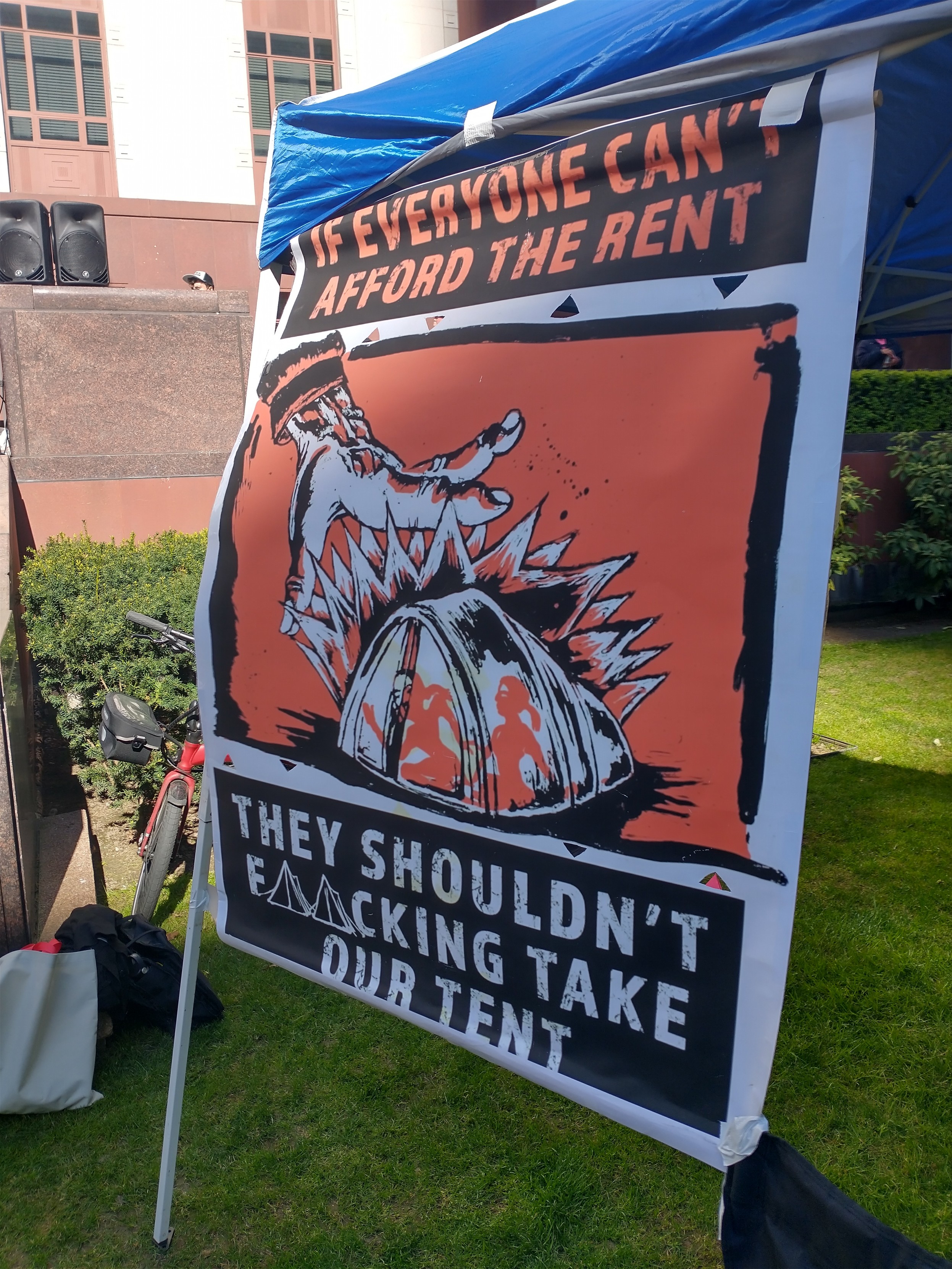
#CovidCautious community, I’m tabling at an academic conference next month to spread awareness of both the Public Health Pledge (@phpledge) and COVID precautions as paths toward inclusivity, and I’m trying to think of what would make this table both useful and appealing to passersby. Does anyone have suggestions on what else I can do, in terms of signage, giveaways, activities, etc.?
#CovidIsNotOver #CovidIsAirborne #academiclife #Covid #PublicHealth #WearAMask
Moved full time to my other account @BE soon as this instance is still having issues.
Joined Nov 2022
