

Nick has moved to Mathstodon @internic@qoto.org
- Pronouns
- he/him/his
Moved to Mathstodon.xyz
Theoretical physicist by training (PhD in quantum open systems/quantum information), University lecturer for a bit, and currently paying the bills as an engineer working in optical communication (implementation) and quantum communication (concepts), though still pursuing a little science on the side. I'm interested in physics and math, of course, but I enjoy learning about really any area of science, philosophy, and many other academic areas as well. My biggest other interest is hiking and generally being out in nature.
Joined Nov 2022
Nick has moved to Mathstodon
boosted


Hey folks, if you want to know how to improve your product, ask open ended questions.
This tweet brought to you by Marriott*, whose "Are you happy with the product" asked to select between 8 categories of problems they think represent user behavior. At their scale, why not ask for freeform text and categorize it as "fits an existing category well" or "doesn't"?
*Not actually sponsored by Marriott.
Nick has moved to Mathstodon
boosted

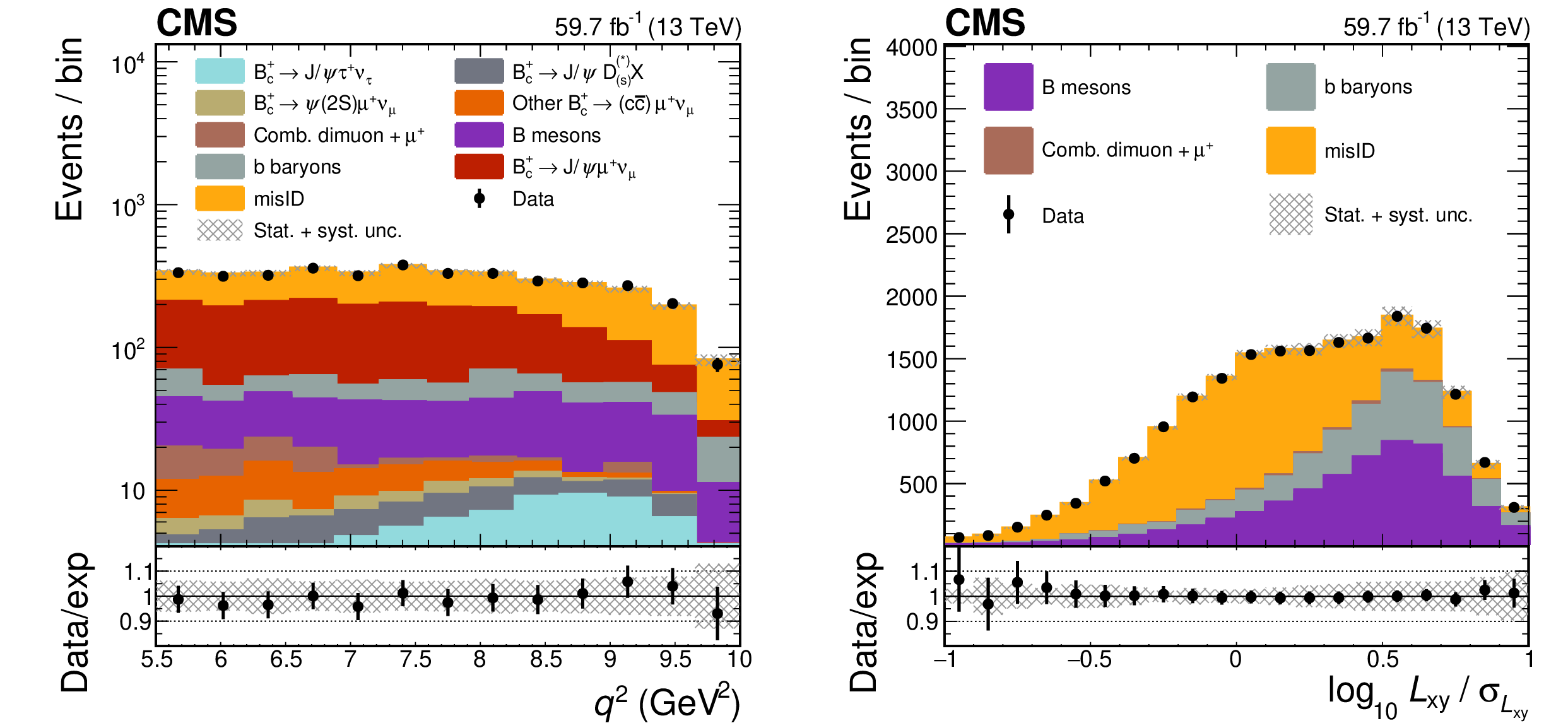
The physics laws that the standard model is built on do not explicitly require that leptons behave exactly the same, but they seem to do so. This is a good enough reason to check, particularly because some other experiments maybe see differences. This #CMSPaper 1336 tests this for the very difficult B_c meson, and the results agree with the standardmodel (within large, 28%, uncertainties) https://buff.ly/3AIqJfw
Nick has moved to Mathstodon
boosted

“It was a simple but brilliant design stroke: rather than a window where people paste text and allow the LLM to extend it, ChatGPT framed it as a chat window.”
"The practical risks of AI are not that they become super capable thinking machines. It is building complex systems around machines we falsely assume are capable of greater discernment and logic than they possess."
Just two of the excellent insights in this piece.
https://www.techpolicy.press/challenging-the-myths-of-generative-ai/
Nick has moved to Mathstodon
boosted

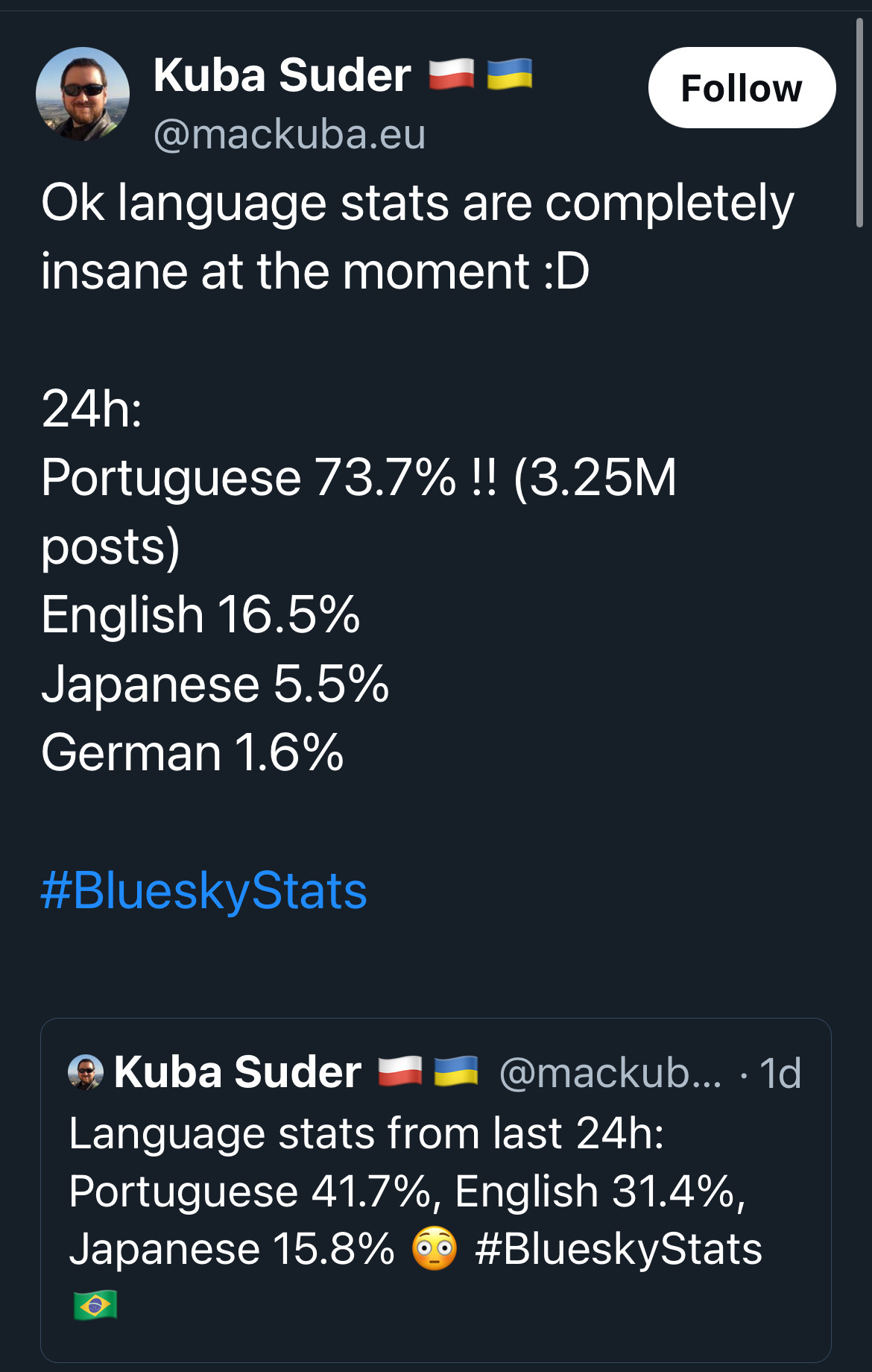
Meanwhile, BlueSky is a Brazilian site now.
It’s Brazil’s site now, everyone else just lives in it.
Nick has moved to Mathstodon
boosted

It's become hard to follow Covid levels, and I've got a bunch of travel coming up over the next few months (NC, LA, MA, and MO), so I put together this bot that publishes state-by-state Covid levels, as tracked in wastewater. It posts once weekly, Saturday, which is when the CDC updates their numbers.
I basically just made this for me, but perhaps others might find it useful.
https://botsin.space/@covid_wastewater/113059650109973797
Nick has moved to Mathstodon
boosted

Humble Bundle offering a (sadly US only) package of 39 Discworld ebooks for $18. My favorite book series. Absolutely worth it if you haven't tried them.
https://www.humblebundle.com/books/terry-pratchetts-discworld-harpercollins-encore-books
Nick has moved to Mathstodon
boosted
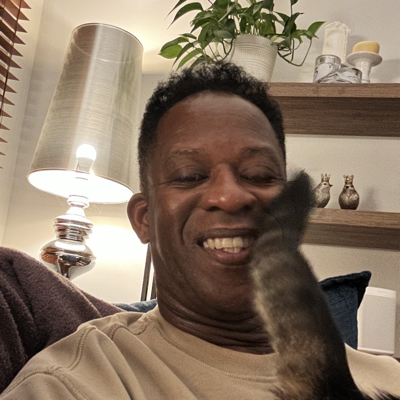
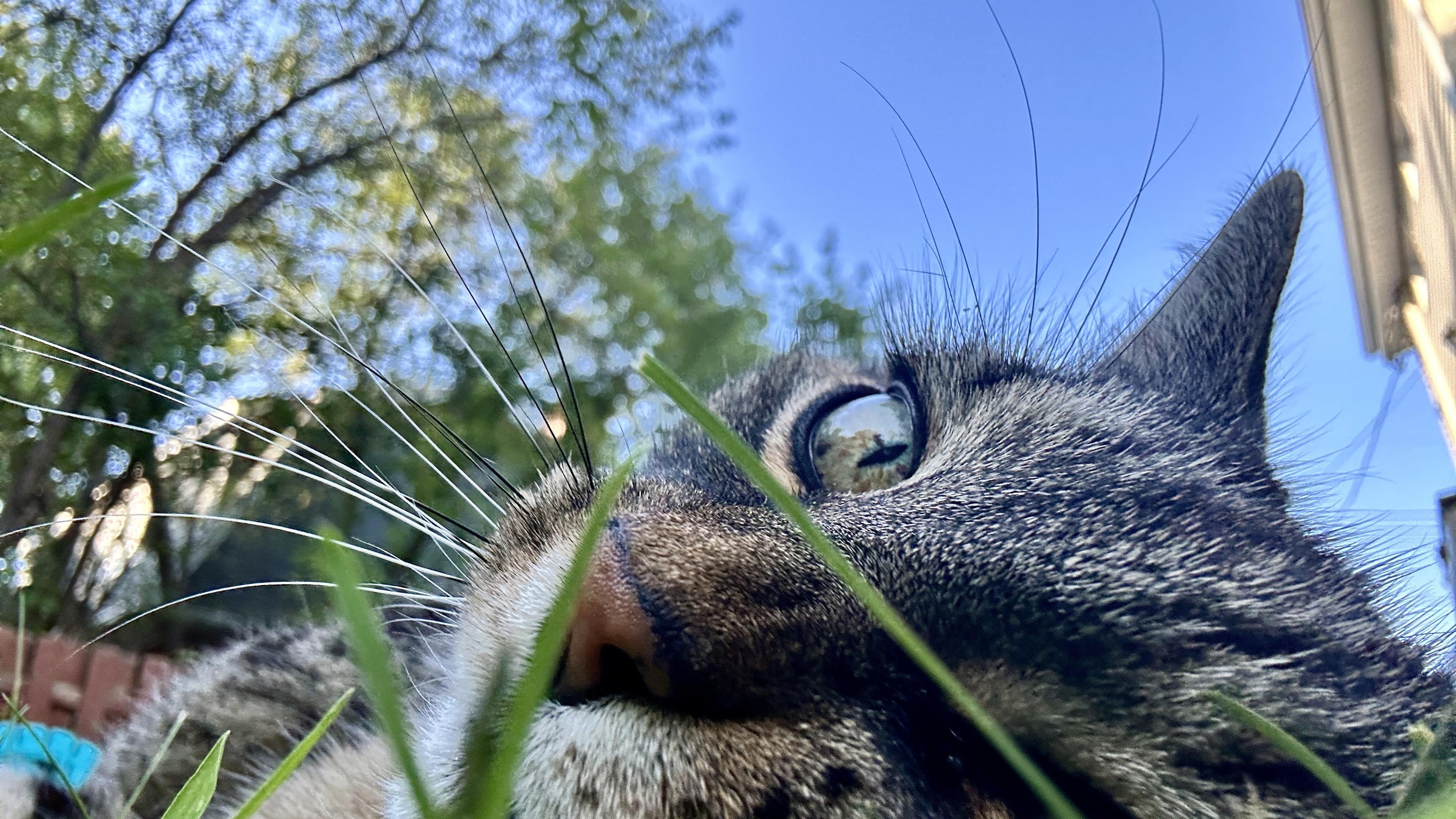
I’ve been trying to get this shot for years and I finally got it on #Caturday
Nick has moved to Mathstodon
boosted

It's starting to get properly dark at night in the Highlands, if my recent posts didn't hint enough ;)
Midsummer we basically don't have "astronomical night" for a couple of months. But the night sky is getting pretty again, looking forward to Orion.
Nick has moved to Mathstodon
boosted
What's your favorite recent UPLIFTING sff read?
Doesn't mean it can't be sad or hard or painful but something that connected you to hope and imagination in the end...?
Nick has moved to Mathstodon
boosted

Anybody here on either Bookwyrm or Storygraph? I'm tied of how badly Goodreads sucks. If Bookwyrm, suggestions for an instance?
Some context: I've been using Linux as my home OS most of my adult life and have never used anti-malware software, but someone I know uses anti-malware software on MacOS and sometimes asks me about the warnings that it pops up. Most of the time these are about some outbound connection being made by an application. Usually a little digging finds that it's something obscure but innocuous (e.g. recently it flagged a connection to Google's safe browsing service). Honestly there are so many false positives, and the information provided is so limited that I have trouble imagining it's really useful in practice. But it's software I don't use on an OS I don't use, so it seems quite possible I'm wrong.
Man, and I thought Teams was a bad name! (I thought this the first time I had to speak a sentence like "oh, we should add you to the team's Teams team.")
Nick has moved to Mathstodon
boosted

“I am, and ever will be, a white-socks, pocket-protector, nerdy engineer, born under the second law of thermodynamics, steeped in steam tables, in love with free-body diagrams, transformed by Laplace and propelled by compressible flow.”
-- Neil Armstrong
Nick has moved to Mathstodon
boosted

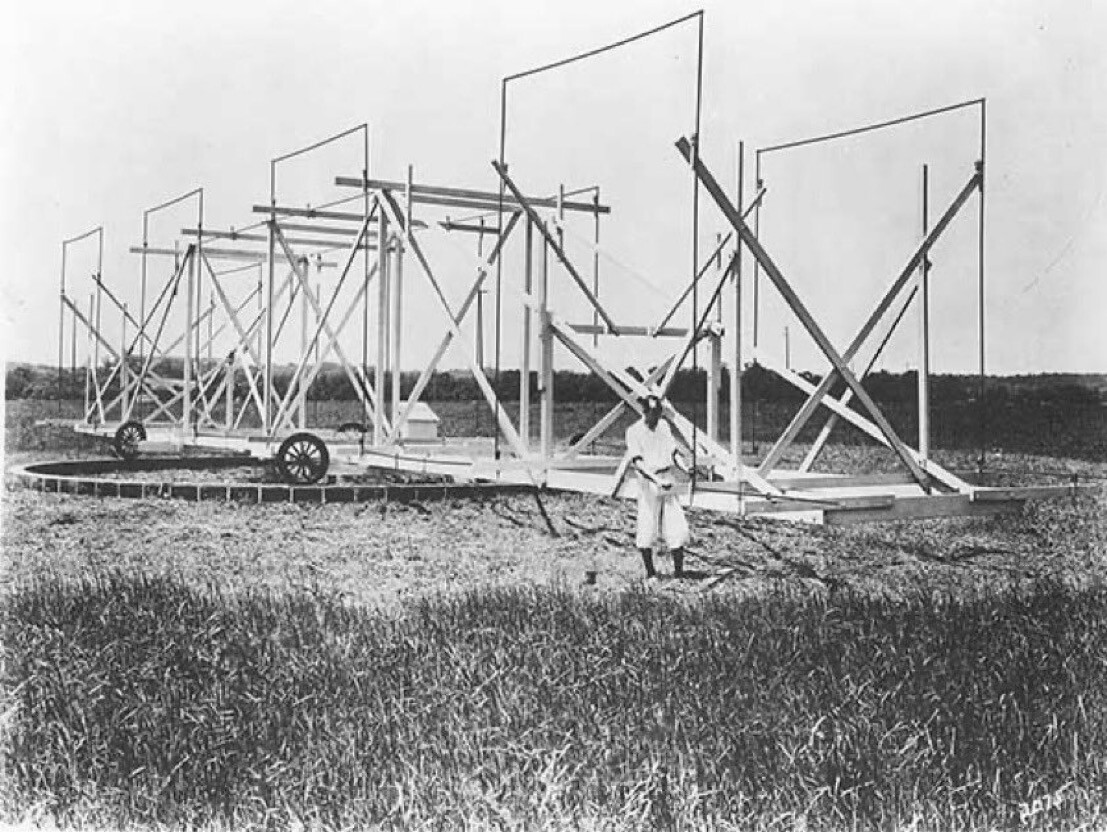
Karl Jansky invented the field of radio astronomy #OTD in 1932.
During a solar eclipse he saw no change in the faint radio hiss he'd been monitoring, which ruled out the sun as a source. He soon attributed this "star noise" to large ionized gas clouds near the center of the Milky Way.
Nick has moved to Mathstodon
boosted
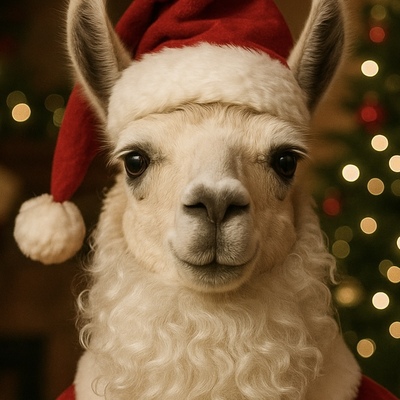
Years ago, I created a bot that posted Sun Tzu quotes, if Sun Tzu had written about cyber war. When X closed up API access that bot broke, and it never was high on my list of priorities to bring here. Well, I just fixed that. May I introduce you to @SunTzuCyber, which posts hourly. The posts are set up as unlisted/quiet public, so they won't show up in timelines unless you follow it.
Nick has moved to Mathstodon
boosted

Profs: How did you come up with your lab's name? Tell us the origin story.
What are some best practices? What are things to avoid?
Got a killer acronym? How did you come up with it?
Pls repost/share to get this post get out of the awful filter bubble
Nick has moved to Mathstodon
boosted

A good friend of mine notes that while nobody ever _declares_ a Sev0 incident, one of the most notable signals you're in a Sev0 incident is when lawyers who have no reason to be there and nothing to add start joining incident calls so that whatever is said in those calls is now sheltered by attorney-client privilege.
https://www.courtwatch.news/p/heres-22-examples-of-google-employees
To say a bit more about why this podcast is interesting:
Software engineers talk a lot about processes that will produce better code, more productivity, less frustration for coders, etc., but the problem is that these are not questions of computer science, they're questions of social and behavioral science! Software engineers and computer scientists are ill-equipped to study these questions effectively. But @grimalkina is a psychologist who specializes in studying issues like these in software teams and has the right knowledge of methodology and statistics to actually do it!
Coders also talk a lot about getting new people into coding. I don't know too much about @analog_ashley yet, but I gather they're a neuroscientist who works a lot with code and hardware and teaches coding in the context of biological scientists. So this is a non-CS person teaching coding to other non-CS people in a very different context than your usual coding bootcamp; I expect this to lead to a lot of insights that I wouldn't get elsewhere.
@adamshostack I am often dismayed by the amount of stuff that gets run as root for software installs and updates (often because everything under /usr is owned by root). For that matter, I'm frustrated by the amount of open-source software whose documentation says "just go to the terminal and run 'sudo <arcane series of commands>'". That's a really bad habit for users to be in, and for my part I'm certain that a sufficiently clever person could slip something malicious past me if they wanted to.

- Pronouns
- he/him/his
Moved to Mathstodon.xyz
Theoretical physicist by training (PhD in quantum open systems/quantum information), University lecturer for a bit, and currently paying the bills as an engineer working in optical communication (implementation) and quantum communication (concepts), though still pursuing a little science on the side. I'm interested in physics and math, of course, but I enjoy learning about really any area of science, philosophy, and many other academic areas as well. My biggest other interest is hiking and generally being out in nature.
Joined Nov 2022
