That's right - it's #SpaceTalkTuesday time! 🚀 🔭 🪐
Today it's going to be a short one all about:
~How We Name Exoplanets~
I often get the question "why do exoplanets have long boring names like HD 189733 b"
Which is a reasonable question! Even us exoplanet astronomers lovingly refer to names like these as "phone numbers" and often shorten them.
BUT there is a perfectly rational reason for why they don't get fun names like "Fred" ⬇️ ⬇️ ⬇️
First of all, could you imagine remembering a fun name for FIVE THOUSAND exoplanets?
Scientific papers might be more fun if we were comparing the observability and characteristics of Jorts and Jean, but things sure would be confusing 🥴
So instead - we name them after the mission/telescope that discovered them!
⬇️ ⬇️ ⬇️
So
Kepler-16 b
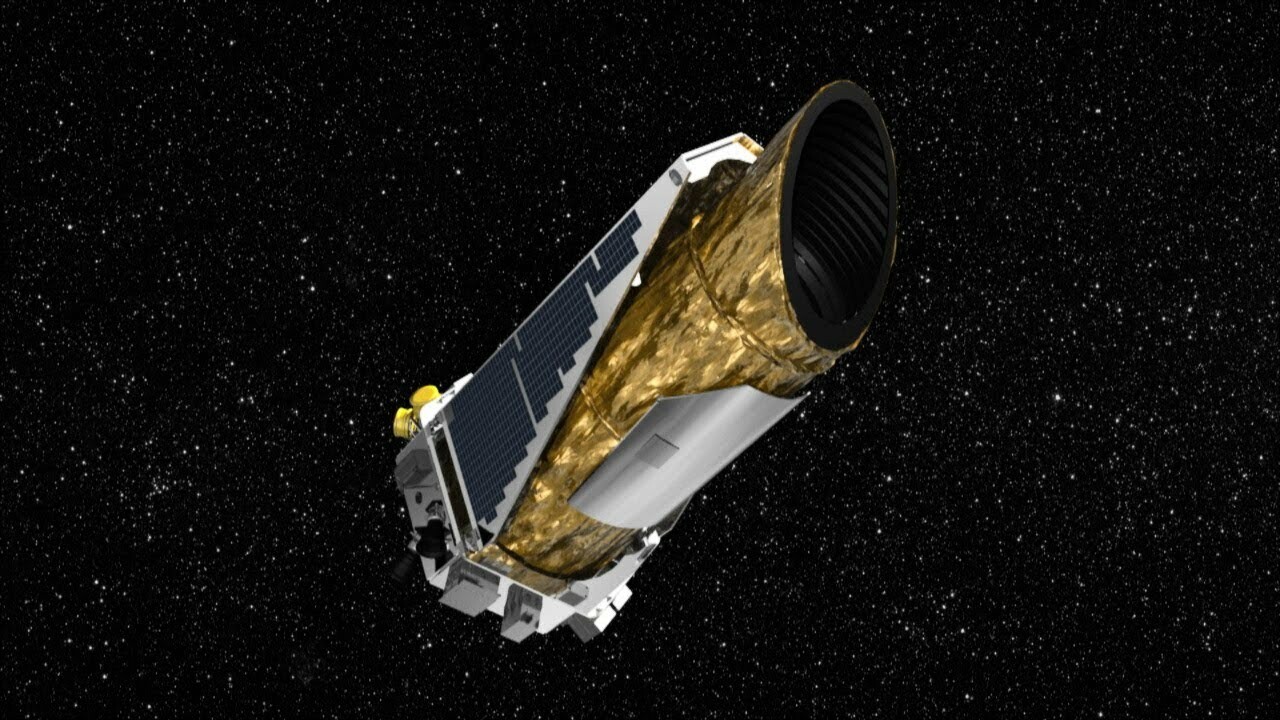
was discovered by the Kepler mission (the first telescope designed to look for exoplanets)
It was the 16th star that a planet was found around by the mission
and the "b" signals that it was the first planet found around that star ("A" is the star, so planet counting starts at "b")
This provides some useful information because some missions/telescopes are really good at finding specific types of planets.
For example, the Wide Angle Search for Planets (WASP) program primarily finds large hot Jupiter sized planets around relatively bright stars, so simply by having the name "WASP" it tells a little bit about the planet already.
Some missions also look primarily at one region of the sky.
Kepler planets are clustered in a small region of the sky (because Kepler originally just stared at the same region to find planets)
K2 planets (the second life of Kepler after part of the telescope that held it stable failed) found planets around the "ecliptic plane"
The Hungarian-made Automated Telescope Network-South (HATS) find planets in the Southern sky
TESS finds planets everywhere
So just from the name alone, we sometimes also have an idea of what telescopes we can use to study it in more detail, because not all telescopes can look at all regions of the sky.
But this naming scheme also means that sometimes planets have SEVERAL different names! If they were "discovered" by multiple different telescopes or the star had a name before (the HD star catalogue pre-dated exoplanets)
So sometimes different papers use different names to refer to the same planet.
That's where the NASA exoplanet archive comes in handy! We can search any planet and it tells us all about the planet, the star, and alternative names
Some people don't like our current naming scheme, but I actually think it works well!
I'd love to hear about weird naming schemes in other fields of science!