

Was this deity definitely seen as male? For a Moon figure, that seems unexpected...
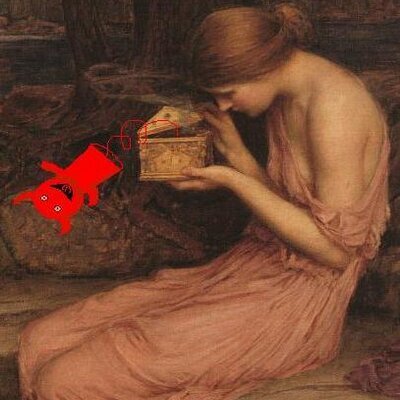
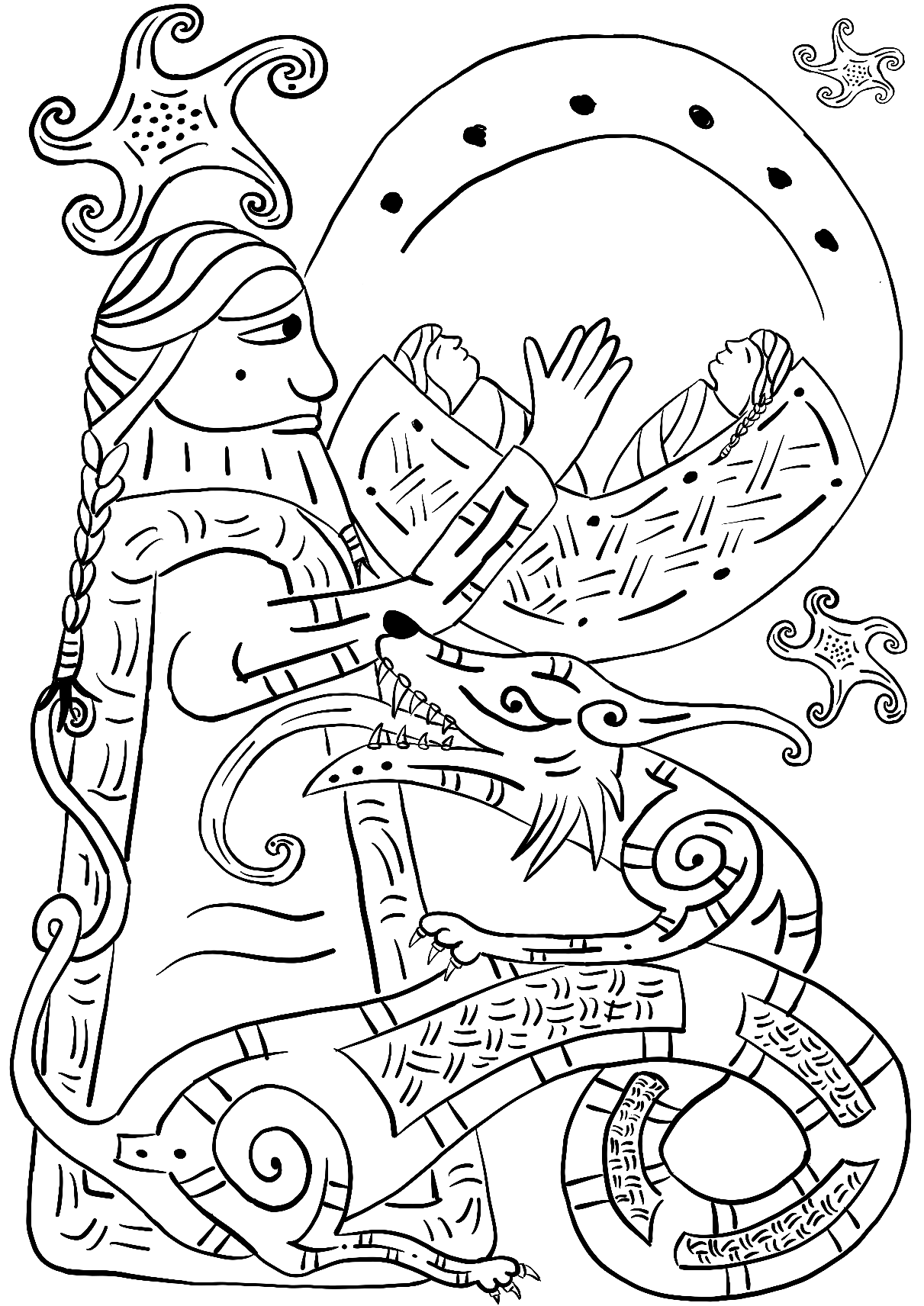
@ceoln @wihtlore @folklore @histodons
I'm not sure it's that weird. We tend to think of the Moon through our languages (French lune is feminine, Italian luna, etc.) and the Greco-Roman heritage of the goddess Diana/ Artemis/Selene.
But we know of other male gods associated to the Moon in other cultures, like the Hindu god Soma/Chandra. And the word for moon is not feminine in all European languages (see German der Mond).
Very interesting, thanks! My knowledge is only that of an interested amateur in the West, taking for granted the whole "moon == menstrual cycle == female" thing.
@ceoln @hist_myth I can see the reason why and the popularisation of Wicca and other such Neo-pagan ideas probably help popularise that. Not saying it’s wrong or anything. I’m pretty relaxed about these sorts of things.
@hist_myth
Exactly and the German has the same Priti-Germanic root as Moon or Mōna (In old English)
The moon representing the feminine is absolutely not universal, it just depends on what lens you see it through. We get the term “Man in the Moon” directly from the old Godnof the moon. So in actuality, in English, the moon being seen as a Feminine deity might be thought of as strange (if you look into the etymology and history of it)
What is weird to one or normal to another :)

@ceoln that is correct, the Moon was seen as a God and the Sun (Sigel or Sunna) was female (Sunnandæg) — Sunday.