

David Ing @daviding@qoto.org
- Coevolving Innovations
- https://coevolving.com/blogs/
- Distractions, Reflections
- https://daviding.com/blog/
- David Ing. In brief
- https://ingbrief.wordpress.com
- Systems Community of Inquiry
- http://stream.syscoi.com
Systems change researcher resident in Toronto, Canada. Past president, International Society for the Systems Sciences. Author of Open Innovation Learning book. Research fellow, CSRP Institute. Alumnus of IBM after 28 years.
Joined Oct 2018
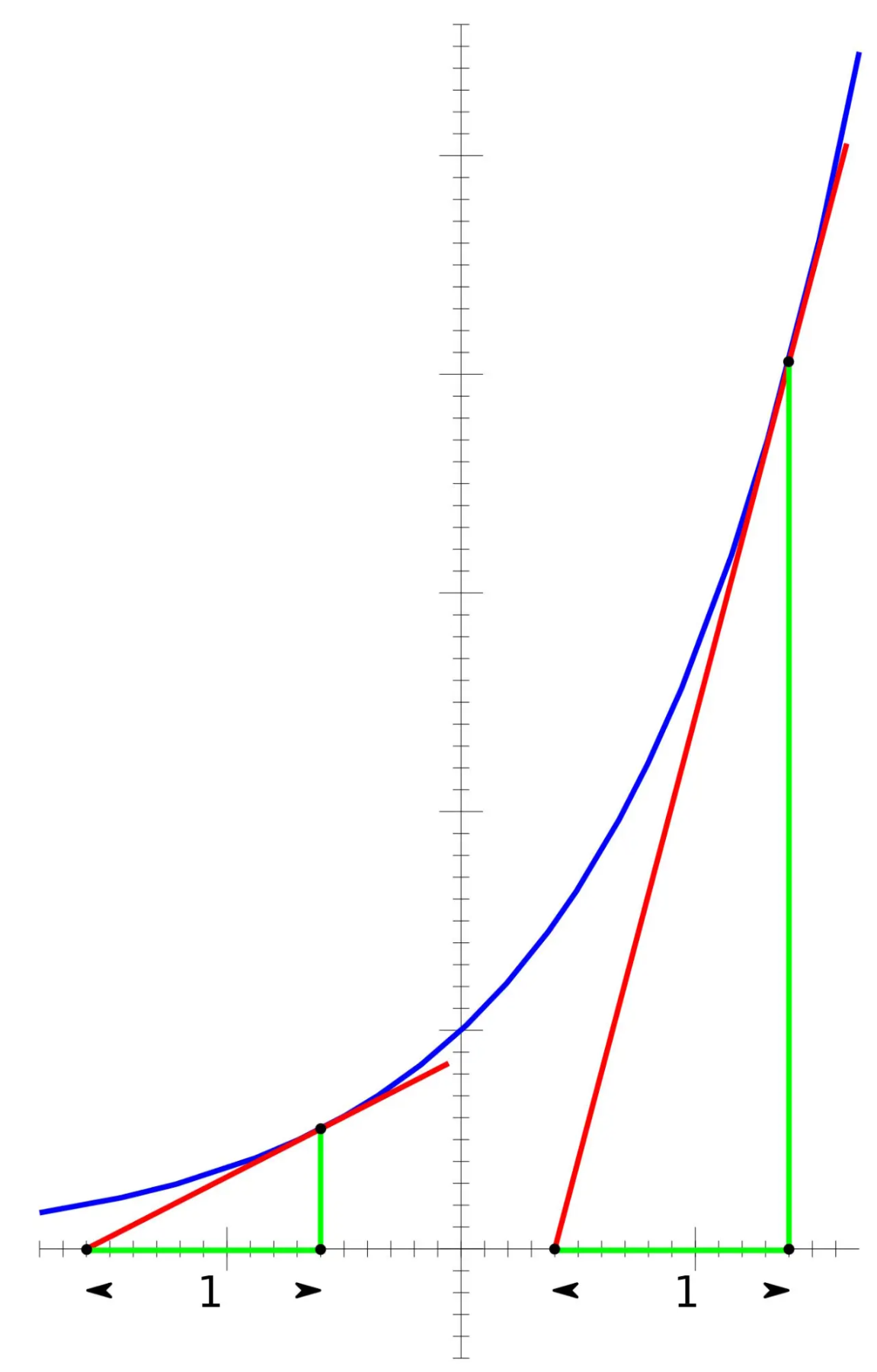
Mathematician Johannes Kepler says that you should date 37% of your candidates, and then marry the next one. This relates to 1/e .
> when is the optimal time to marry someone, assuming you want to maximize the happiness in your life? The answer, perhaps surprisingly, is to follow what’s known as the 37% rule: reject the first 37% of all possible choices, and then pick the very next one to come along whose potential exceeds the best of the 37% who came before. Although some will wind up passing over their optimal choice and others will choose a partner before ever meeting their best possible match, the 37% rule is the mathematically superlative strategy. [....]
> assuming you choose the optimal strategy for attacking this problem — rejecting the first 1/e (or 36.788%) candidate options and then choosing the first option that exceeds the best option you saw over that initial time — what are the odds that you will actually wind up selecting the overall best possible option?
> The answer, believe it or not, is also 1/e, or 36.788%
"Astronomer Johannes Kepler solved life’s hardest problem: marriage" | Ethan Siegel | September 26, 2023 at https://bigthink.com/starts-with-a-bang/johannes-kepler-solved-marriage/
The #StockholmResilienceCentre, #GlobalResiliencePartnership, and #FutureEarth distills decades of cutting-edge resilience science into nine critical Must-Knows refined through dialogue with decision-makers.
1. Resilience is critical for navigating accelerating risk
2. Resilience requires balancing the capacities to cope, adapt, and transform
3. Investing in resilience today reduces costs tomorrow
4. Resilience is a cycle of learning and innovation
5. Diversity is essential for resilience to thrive
6. Relationships among people and with nature build resilience
7. Governing and negotiating trade-offs is key to resilience
8. Empowering agency unlocks resilience
9. Address power imbalances to foster equitable resilience
Norström, Albert, Cibele Queiroz, Magnus Nyström, et al. 2025. _Resilience Science Must-Knows: Nine Things Every Decision-Maker Should Know about Resilience_. https://doi.org/10.5281/zenodo.17466370.
https://www.stockholmresilience.org/research/research-projects/resilience-science-must-knows.html
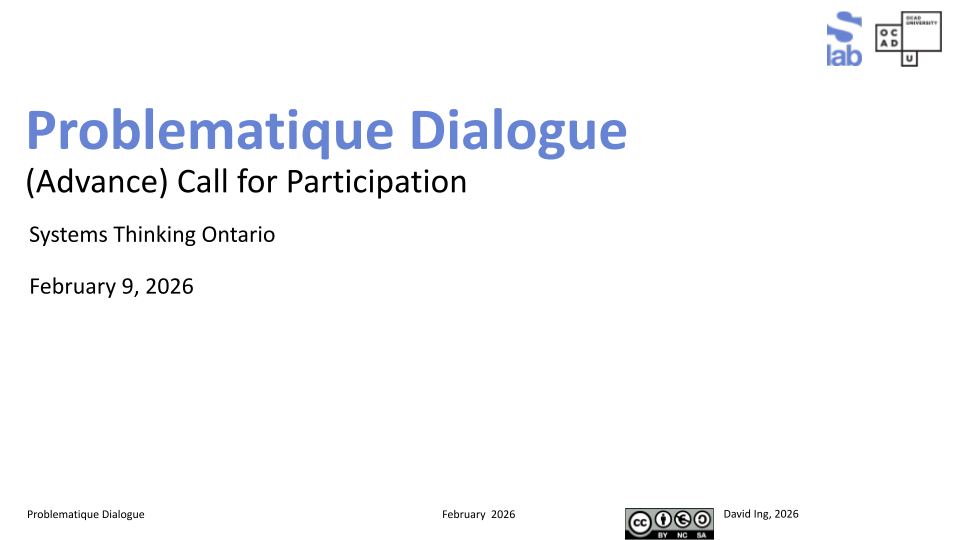
sLab at #OCADU reintroduced; #ProblematiqueDialogue Call for Participation to #BanathyConversation now in dance of (i) topics seeking participants, and (ii) participants seeking topics. https://coevolving.com/blogs/re-introducing-slab-problematique-dialogue-call/
Five-day event, May 10-15, 2026, in Toronto. https://problematiquedialogue.org
Slides + web video of "Problematique Dialogue + Conversation as Process and Connection" from #SystemsThinking Ontario from 2026-02-09. sLab at OCAD University is evolving Banathy Conversation from residency to urban campus. Advance Call for Participation for May.
https://coevolving.com/blogs/problematique-dialogue-conversation/
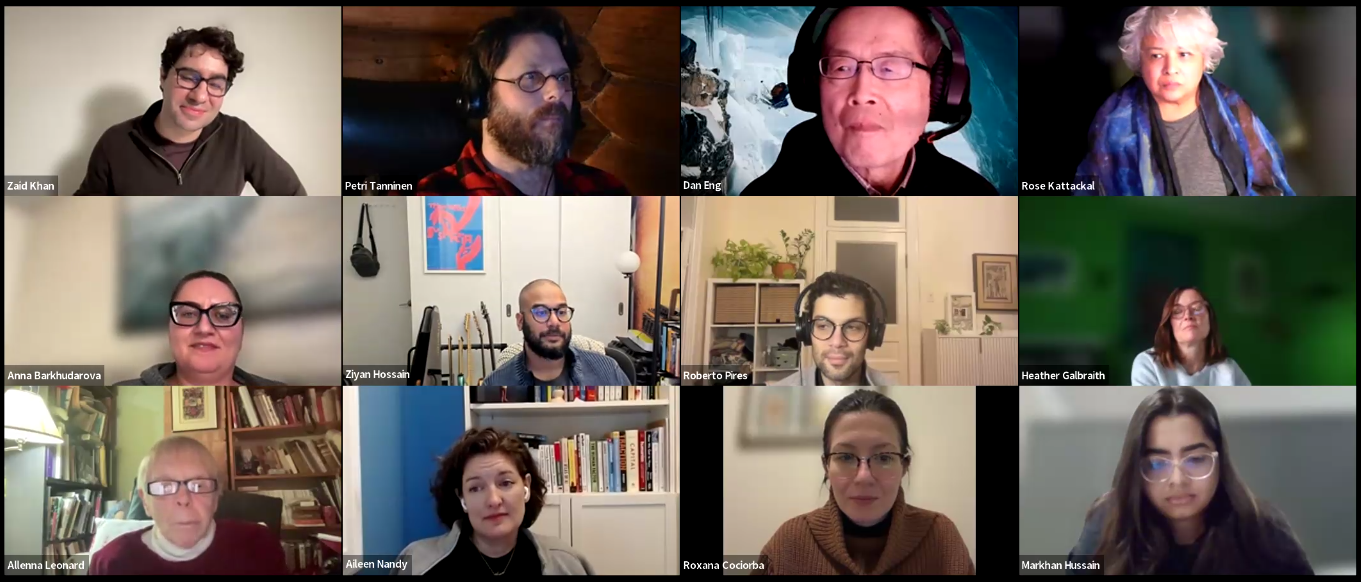
Web video of #SystemsThinking Ontario 2026-01-12, Shareback by participants of (i) #DubaiFuturesForum, (ii) Anticipation in the Context of Today's PolyCrises with #RielMiller, and (iii) #JailbreakingCanada with @pluralistic and #MadelineAshby. Reflections by #MarkhanHussain #RobertoPires #AnnaBarkhudarova #ZiyanHossain #AileenNandy moderated by #ZaidKhan https://wiki.st-on.org/2026-01-12
Could Canada follow the lead of France in replacing the web conference software of Zoom and Teams with the project built on top of the open source LiveKit?
Would this be the information age Canada Post? A @pluralistic de-shittification?

- Coevolving Innovations
- https://coevolving.com/blogs/
- Distractions, Reflections
- https://daviding.com/blog/
- David Ing. In brief
- https://ingbrief.wordpress.com
- Systems Community of Inquiry
- http://stream.syscoi.com
Systems change researcher resident in Toronto, Canada. Past president, International Society for the Systems Sciences. Author of Open Innovation Learning book. Research fellow, CSRP Institute. Alumnus of IBM after 28 years.
Joined Oct 2018
