

kwitschas @kwitschas@qoto.org
Biochemist and postdoc at Gent University
#neuroscience
#ScienceMastodon
#ionchannels
#Electrophysiology
#Biophysics
Joined Nov 2022
kwitschas
boosted

Obesity-Related Neurodegeneration Mimics Alzheimer’s Disease
A new study led by scientists at The Neuro (Montreal Neurological Institute-Hospital) of McGill University finds a correlation between neurodegeneration in obese people and Alzheimer’s disease (AD) patients, suggesting that losing excess weight could slow cognitive decline in aging and lower risk for AD.
#Neuroscience #Brain #Neurology #NeurologicalDiseases #NeurodegenerativeDiseases #Neurodegeneration #Alzheimer #Aging #BrainAging #Obesity
https://neurosciencenews.com/obesity-neurodegeneration-alzheimers-22412/
kwitschas
boosted

Hi there! This is ACM, the world's largest computing society. As you might have noticed, we have opened not only our official #Mastodon account but also our own #instance!
Please consider joining @mastodon.acm.org, a community for #computing researchers & practitioners to connect & exchange ideas with each other, whether you are an ACM member or not.
You can use this link to join: https://mastodon.acm.org/invite/FbXaxAHg
Spread the word with your friends and colleagues! Happy tooting!
kwitschas
boosted

The UK #Microtubule Meeting will be on 12th May 2023 in Edinburgh. Organised by Julie Welburn, Andrew Carter and Mark Dodding. Nominal registration fee + green travel subsidies are available.
kwitschas
boosted

Neuroscience needs new ideas. So there is a whole summer school (in Waraw) on making them: https://nenckiopenlab.org/school-of-ideas-2023/ - such a wonderful idea
kwitschas
boosted

Looking for feedback on some new thoughts about Big Ideas in brain/mind research.
I've spent quite a long time researching and thinking about the history of brain/mind research in terms of the Big Ideas that have emerged. Pre-1960, it's pretty easy to list the big ideas that researchers had reached consensus around. Since 1960, that's harder to do. There's plenty of consensus around new facts (like umami is supported by receptor X on the tongue), but it's difficult to regard the things that brain researchers agree on as new, big ideas. At first, I (mis)interpreted this as a paucity of new ideas, but I no longer think that's correct - I've found a ton. Instead, I now believe that they are there but we haven't arrived at consensus around them.
I'm wondering: Why might have researchers arrived at more consensus around Big ideas introduced 1900-1960 vs 1960-2020? Obviously there's the filter of history and the fact that it takes time to work things out. But is there more to it than that? For example, have the biggest principles already been discovered? And so we are left with more of a patchwork quilt?
A sample of big ideas pre-1960ish with general consensus
*) Nerve cells exist (it's not a reticulum)
*) Neurons propagate info electrically and then chemically between them
*) DNA > RNA > Protein is a universal genetic code or all living things
*) Explaining behavior needs intermediaries between stimuli and responses (cognitive maps/minds)
A sample of big ideas with no general consensus introduced post-1960ish:
*) Cortical function emerges from repetitions of a canonical element
*) The brain is optimized for goal-directed interactions with the environment in a feedback loop (prediction/embodiment/free energy)
*) The brain is a complex system with emergent properties that cannot be understood via reductionist approaches
*) Fine structural detail in the brain (the connectome) matters for brain function
I'd love to hear your thoughts.
kwitschas
boosted

#hiring We are looking for a a Postdoc (2 years min) with experience in Structural Biology (XRD, CryoEM) and Protein Biochemistry to study extracellular multi-protein complexes. Salary negotiable based on previous experience. Informal enquiries to federico.forneris@unipv.it
kwitschas
boosted

now that we've cured dementia and psychiatric disease in mice, the HHMI is moving bravely on to fish and flies
kwitschas
boosted


Let's celebrate the amazing world inside a #Cell with this video of the #organelles: ER, mitochondria & nucleus
(If things continue like this #CellBiology might reach the final of the #ScienceBattles #ScienceShowdown organized by @AnhHLe2702 )
#scicomm @cellcommlab @Mito_News
---
RT @AnhHLe2702
Semi-final 2: Tissue/Organismal group: This will be the battle between #Neuroscience, #Immunology, #DevelopmentalBiology and #CellBiology. Vot…
https://twitter.com/AnhHLe2702/status/1619442290870857728
kwitschas
boosted

RT @TomNotGeorge
An entry level computational neuroscience & machine learning summer school for African nationals is happening in Ghana this June, with input from Janelia and DeepMind (and me)! It's gonna be great. Applications close in ~2 weeks, please share!!
https://trendinafrica.org/computational-neuroscience-basics/
kwitschas
boosted

(YouTube) Roy Salomon, in BIU Vision Science Seminar Series, on "Virtual hallucinations to study the sense of reality" https://www.youtube.com/watch?v=3kslMhznlIw by @Royesal
kwitschas
boosted


Hi Mastodon,
Someone here said I wasn’t allowed to promote My YouTube channel here. Please prove them wrong by boosting this and following My YouTube channel. LOL. We’ve got funny cartoons! Plus we interviewed Universodon admin @supernovae !
https://youtube.com/@TheGodPod
kwitschas
boosted

#Simon Musall @simonMusall Pyramidal cell types drive functionally distinct cortical activity patterns during decision- making https://www.biorxiv.org/content/10.1101/2021.09.27.461599v1.full.pdf
kwitschas
boosted

Boosts on here are what will make or break Mastodon. If people can find other interesting people and content, they will stay and the site will grow. If its too much of a chore, they won’t. Other sites reward lazier social media grazing, and they surface content designed to maximize engagement, which often = lies, hate, stuff that enrages rather than enlightens. Mastodon just surfaces what imembers boost.
kwitschas
boosted

RT @Tuliodna@twitter.com
Deadline of a few days for PostDoc Fellowships to work with us.
Deadline: 31 Jan 23
Six positions to help to solve some of the biggest global challenges, from epidemics, pandemics & effect of climate change on diseases.
kwitschas
boosted

We often neglect to take care of our mental health as overworked PhD students.
Here are 7 life hacks that helped me take care of my mental health and I hope they help you as well.
#academia #PhD #phdlife #science #xp
@OpenAcademics @AcademicChatter
https://thestrugglingscientists.com/phd-mental-health-life-hacks/
kwitschas
boosted
kwitschas
boosted

Exciting link between the species-specific developmental tempo and mitochondrial activity! Congrats to Pierre (x2), Ryohei and the team!
@VanderhaeghenP2
Do you think 'mitochondrial metabolism' ultimately means the ATP turnover rate, or something else?

kwitschas
boosted

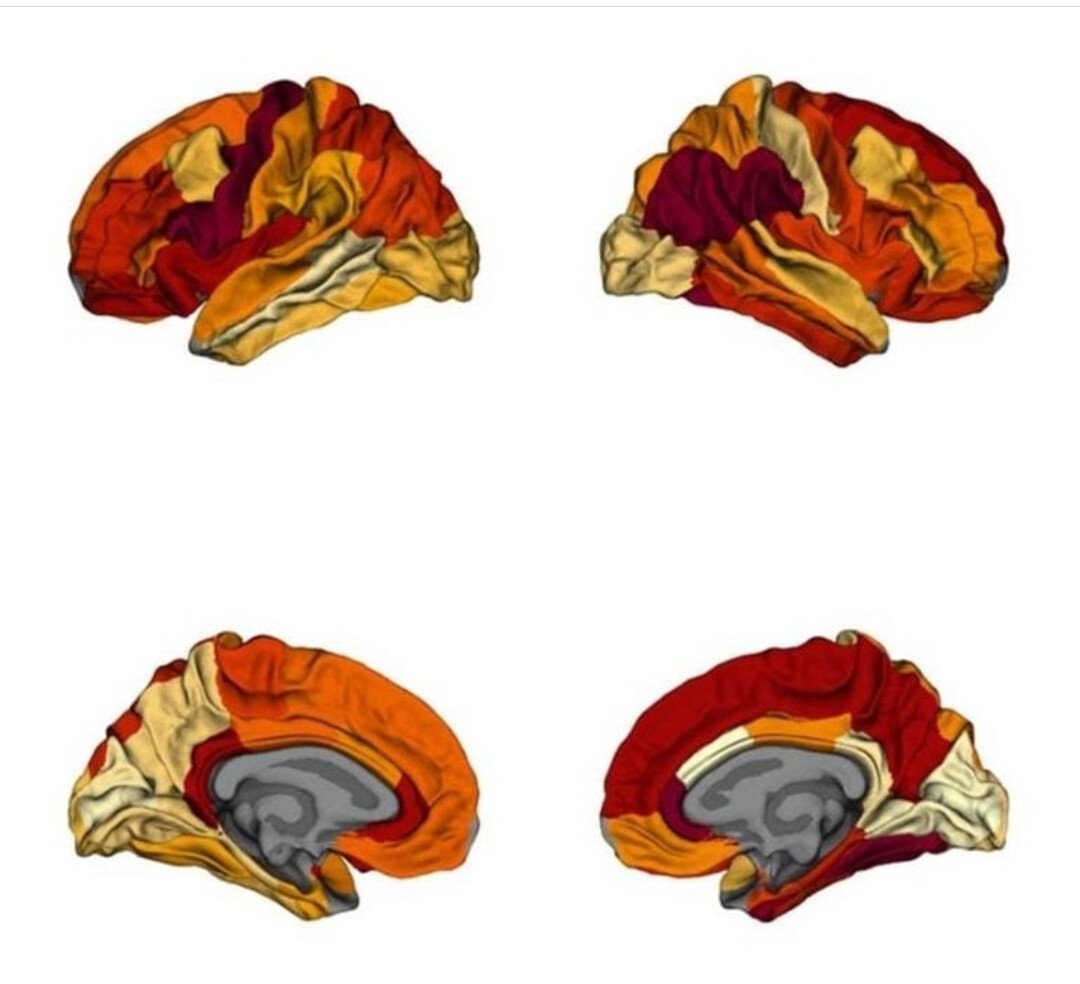


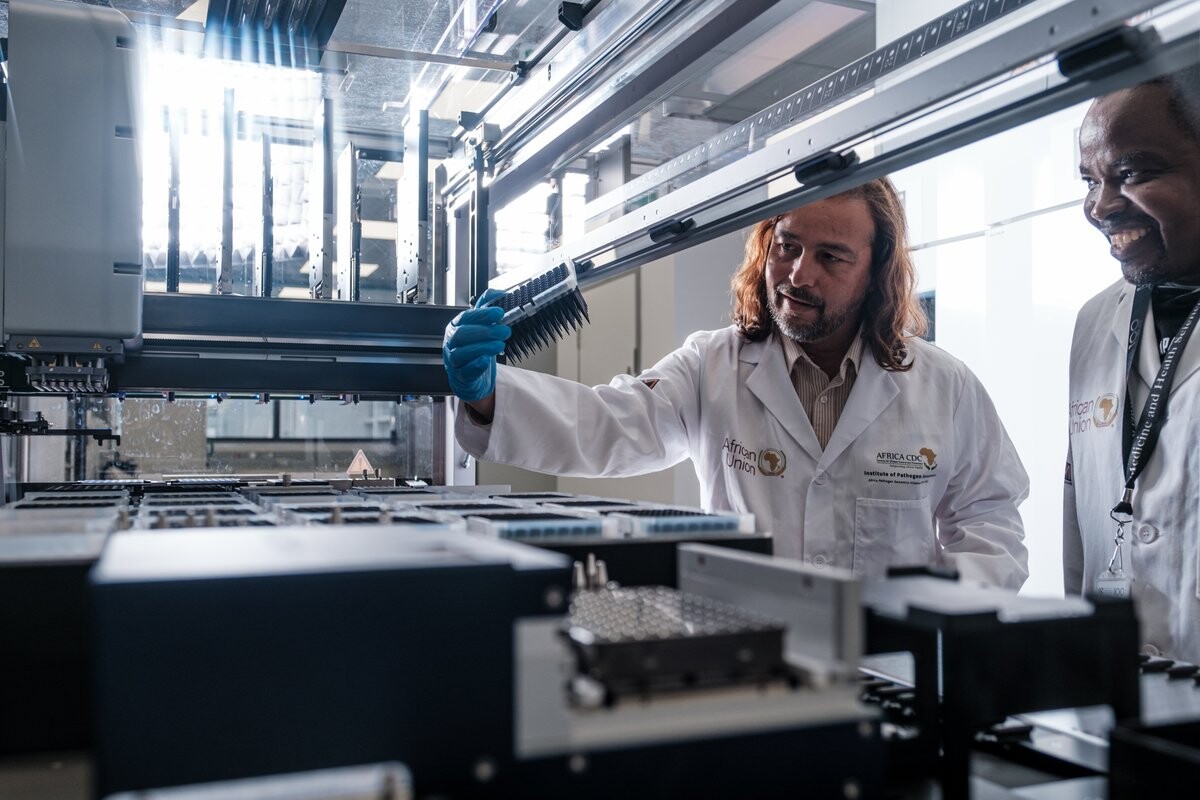

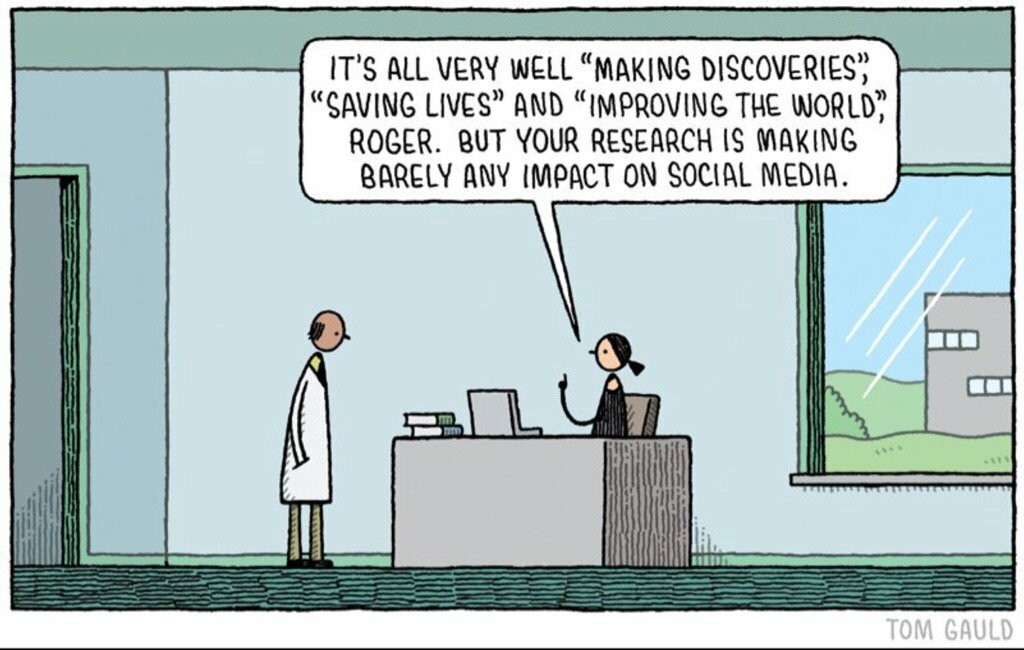
Hey friends! I’m looking to level up my #mastodon game 😎
Specifically, I’m looking to see more targeted content from #neuroscience, #imaging, #psychology, #statistics, and related communities.
I already follow quite a few people from the bird platform—anything else I can do? Favorite servers you’d recommend? Tags? Anyone experimented with an (gasp) #algorithm?
Thanks in advance 😊 Either way, I’m enjoying the experiment and appreciate seeing so many colleagues trying things out here 🙌🏽
kwitschas
boosted
RT @NeuroecologyLab
We are looking to recruit a post-doc working on an exciting project comparing rodent and human brains in Oxford. https://tinyurl.com/2dsh4pwt. Interested? Please DM! @OxfordWIN @NDCNOxford
Biochemist and postdoc at Gent University
#neuroscience
#ScienceMastodon
#ionchannels
#Electrophysiology
#Biophysics
Joined Nov 2022
