

把家里装修成宇宙飞船内部的样子就可以假装你是星际总受
boosted

關於文革和六七暴動,已有許多書籍文章論及,近年特別是羅恩惠的紀錄片《消失的檔案》,和程翔的書《香港六七暴動始末》的出版,對事件已有詳細描述。我這裏簡單講講記憶中的感覺和關鍵的轉變。
左派暴動從5月開始,到7、8月是抗爭高潮。那時港英在各界別逮捕了一些頭面人物,關押在摩星嶺政治拘留營。左派的抗爭獲中共高層和《人民日報》大力聲援,表示「決心給予香港愛國同胞一切支援,直到勝利為止」。中共的聲援不斷給香港左派注射雞血。左報和鬥委會宣稱「港英不低頭,就要走頭」。鬥爭不斷升級,以至放置真假炸彈肆無忌憚。1967年8月9日,港英逮捕中共外圍報紙《香港夜報》等三報5人,勒令三報停刊。中國外交部20日對英國發出緊急照會,要求英國必須在48小時內撤銷停刊令並釋放5報人。《人民日報》連續發表社論和評論員文章,表示「絕對不容許英帝國主義在香港橫行霸道」。當時,香港左派都以為中共一定會「大軍壓境」,不會讓香港「愛國同胞」在力量懸殊下抗鬥。誰料22日48小時最後通牒屆滿,中國並沒有派軍隊支援香港「愛國同胞」,而是由北京紅衛兵衝進英國代辦處,大肆破壞,火燒汽車和辦公樓。
這一個對「最後通牒」的回應,對「愛國同胞」無疑一盆冷水。非常清楚地顯示中國的「支援」毫無實際意義。24日,《大公報》指稱的「地下突擊隊」在路上伏擊商業電台播音員林彬,縱火燒死。「最後通牒」技止此矣。它傳遞的訊號非常清楚,就是解放軍不會越界而來了。對廣大市民來說,香港可以放心住下去。對港英來說,也因此把中共「睇死」,意味著可以繼續維持治安,繼續強硬對付所有破壞社會秩序的行動。在港督戴麟趾發回倫敦的一個匯報電文中表示,他意想不到會得到香港市民如此廣泛的支持。
nsfw,色情作品
啊啊没想到有这么多友不接受欧美人真人插入性行为的色情视频…我前几天脑cp的时候看了p站几个活泼可爱的bisexual threesome还想说给大家分享一下…
把家里装修成宇宙飞船内部的样子就可以假装你是星际总受
boosted
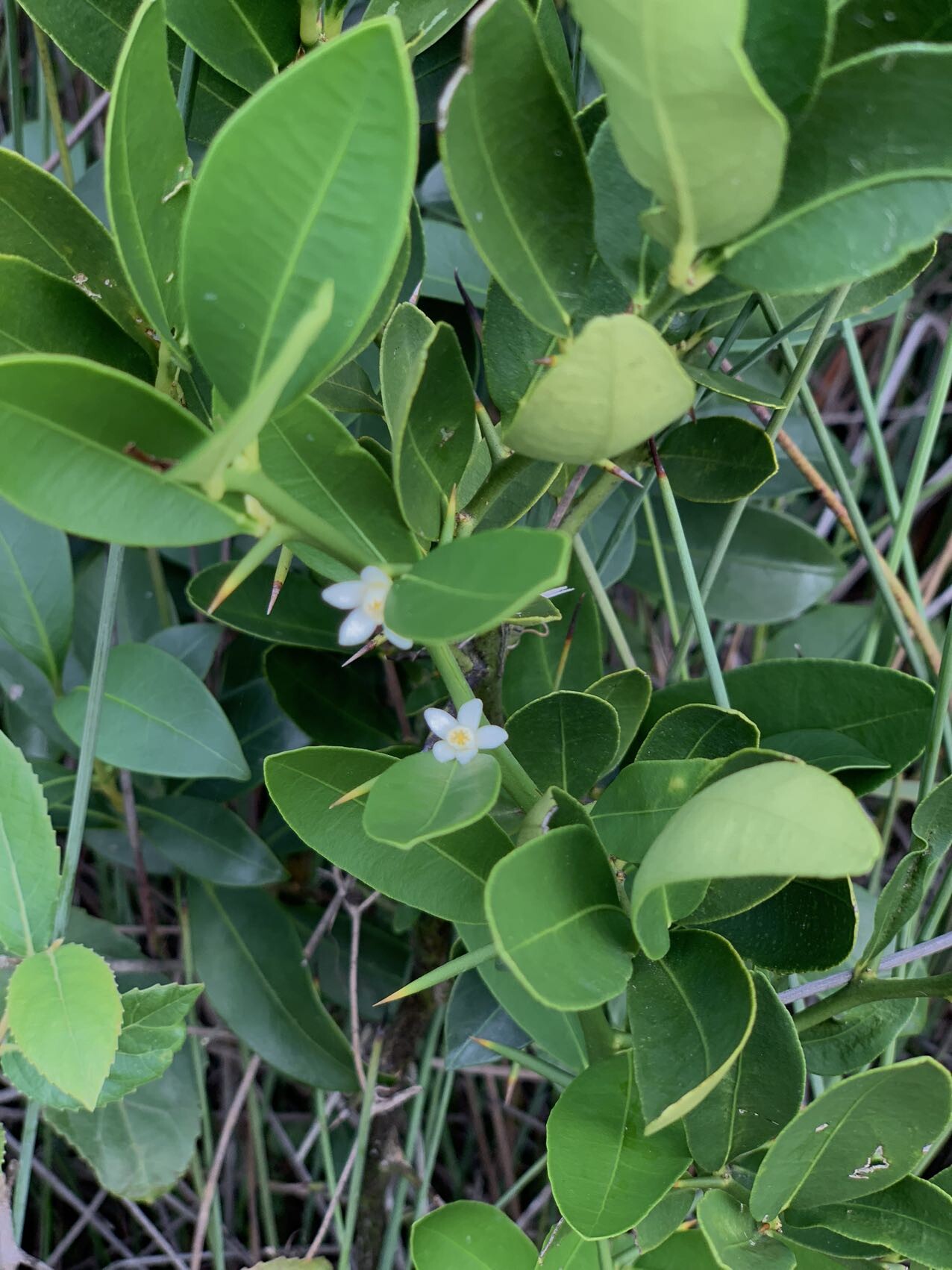
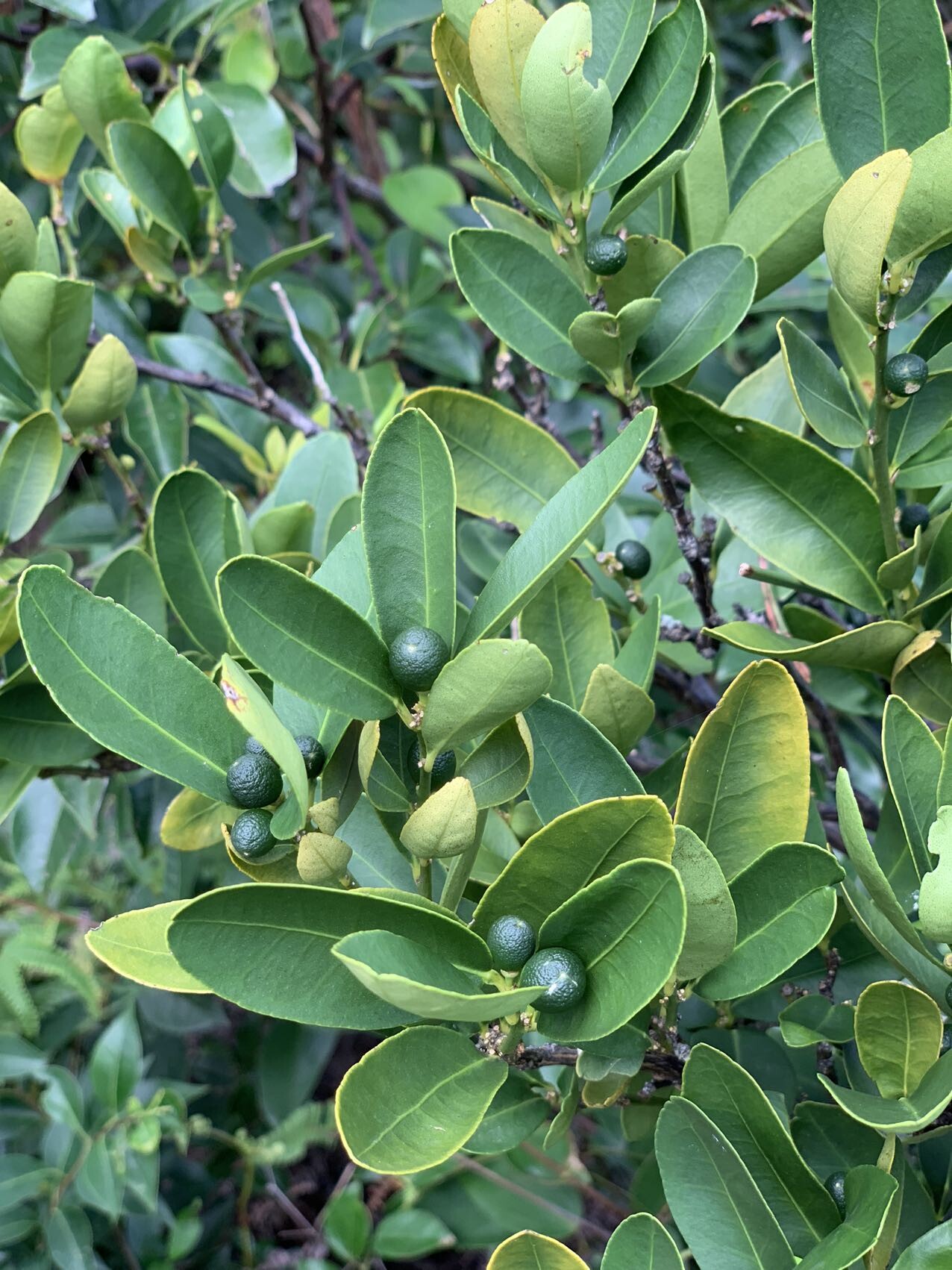
行山时第一次见到山桔 (Mountain Kumquat,Fortunella sp.金桔属)觉得可爱又搞笑,叶子和普通桔子树一样大、刺也一样长,但花果直径都不到一厘米,果和豌豆一样大。啊,橘生淮南则为橘,橘生岭南则为山橘,这太辱粤了,这是发生了什么突变,还是一代代杂交演变的结果,柑橘类杂交的规律好像是果实大小不会取中间值而是更靠近较小的亲本,我想到了在粤革命家族坚持内部通婚结果广府红三兔主席身高一米六……
李大猫:哈哈哈哈但丁知识达人(驴知识达人
刃牙
啊啊这几卷真的看了很多遍…如果楼主有像我一样仔细看漫画就该知道…他妈的半圆,画人打架(挨打)的神…
把家里装修成宇宙飞船内部的样子就可以假装你是星际总受
boosted

我认识一个人,他忙活半天都白忙了
我说,那你还爱我吗,
他说是的,爱你一万年,我也不会别的了
把家里装修成宇宙飞船内部的样子就可以假装你是星际总受
boosted
继续看李怡发现他也涉及过前几天“地狱里最炎热之处留给在道德危机中保持中立之人“的语录,不过李的态度很明确,就是无论谁说的,这句话的意思是值得我们思考的。
查了一下这句话确实是肯尼迪说但丁说的,而且肯尼迪不止一次说这是但丁说的,不过他也不是第一个说这是但丁说的。可见生活中大家经常面临必须站队的情况。哈哈
In 1956 John F. Kennedy who was at that time a Massachusetts Senator received an award during a meeting of the National Conference of Christians and Jews. While delivering a speech, Kennedy employed the saying and credited Dante:[8]
“Dante once said that the hottest places in hell are reserved for those who in a period of moral crisis maintain their neutrality,” he declared. “This question of the basic right of each citizen to be permitted to develop his talents to the maximum regardless of his race or creed is a moral question.”
One day in November 1958 the United Press International news service released a collection of “Today’s Quotes” that included a remark by Kennedy. Once again the U. S. Senator employed the adage and ascribed the words to Dante:[9]
“I do not think, in trying to remain aloof from the Algerian and similar controversies, in the United Nations and elsewhere, that we have remembered the words of the poet Dante: ‘The hottest places in Hell are reserved for those who, in a time of great moral crisis, maintain their neutrality.'”
又同时,虽然但丁没有逐字对应地说过这句话,但他是明确地表达过相似的意思的。神曲地狱篇第三小节:
“Master, what is it that I hear? Who are
those people so defeated by their pain?”
And he to me: “This miserable way
is taken by the sorry souls of those
who lived without disgrace and without praise.
They now commingle with the coward angels,
the company of those who were not rebels
nor faithful to their God, but stood apart.
The heavens, that their beauty not be lessened,
have cast them out, nor will deep Hell receive them –
even the wicked cannot glory in them.”
And I: “What is it, master, that oppresses
these souls, compelling them to wail so loud?”
He answered: “I shall tell you in few words.
Those who are here can place no hope in death,
and their blind life is so abject that they
are envious of every other fate.
The world will let no fame of theirs endure;
both justice and compassion must disdain them;
let us not talk of them, but look and pass.”
—Dante Alighieri, Inferno, canto iii (ca. 1317)(C. Langdon transl. 1918)
其实想一想,这种人的存在有多广,对这种人的厌恶之情的表达就必然地有多么多。乡愿乡愿德之贼,也是被引述频率很高的孔子语录。前几天看到有人得意洋洋地辨析这句话不是但丁说的以及为什么不可能是但丁说的,那种摇头晃脑喷气咂嘴的样子真的让人想起另一句孔子的话:汝为君子儒,无为小人儒!看起来非常具象的小人儒
不是说美少年男主角不好但是放着这种充满男德爱倒立露肉而且内裤很漂亮的男角色不画本子总觉得会画画的人也太不解风情
搞cp胡言乱语
我cp真好,端庄正派,黑道圣徒(?最不缺的就是觉悟,当着人的面最多板着脸上手摸摸。千错万错都在我,一门心思只想往人身上泼黄色废料脏水(奋力搅动着冒着毒气的大锅说
有筋骨,柔韧,亲密,贴合,陪你一年四季,就像…
@portokadoo 我cp
穿了一阵子觉得我也懂了“毛羽感”牛仔裤的好了,表面毛绒绒形成亲肤微涩感又不会太粘毛,比光溜溜的洗水布料温柔多情,褶皱和“鼓包”穿着舒服看着也舒服,脱离chic,sleek,线条流畅的当代都市感…
胡言乱语撕烤,害羞折
我逐渐理解一切,就是从你想要伸出手变成同人女,其后也听从本能伸出了手的一步开始…这是诚实因而非常伟大的一步,意味着你的爱活了过来变成了天下最强,但从这一刻开始事情就不是自己能说了算的了,可以说是一种莫伸手伸手必被捉(指被什么东西拽过去把你的大脑无休止地这样那样
把家里装修成宇宙飞船内部的样子就可以假装你是星际总受
boosted

把家里装修成宇宙飞船内部的样子就可以假装你是星际总受
boosted

把家里装修成宇宙飞船内部的样子就可以假装你是星际总受
boosted

晚上青州带小宝打完冰球回来,我正在给微宝洗澡。
我:这么晚了,你们赶紧吃饭吧!
微宝一听来劲了:I'll 吃饭!
我:你已经吃过饭了呀,晚饭吃了三文鱼米饭和西葫芦你忘记啦?
微宝:I'll 吃 salmon! I'll 吃 kini (zucchini)! I'll 吃 rice!
我:都吃完了呀!
微宝生气了:I'll 吃 mama!




蓑衣褪尽任浊流
#nobot
Joined Aug 2020
