
I gave my last machine learning lecture of the course this week.
In the last part, I look at the dangers of making ML part of the infrastructure of society.
https://mlvu.github.io/rl/#video-093
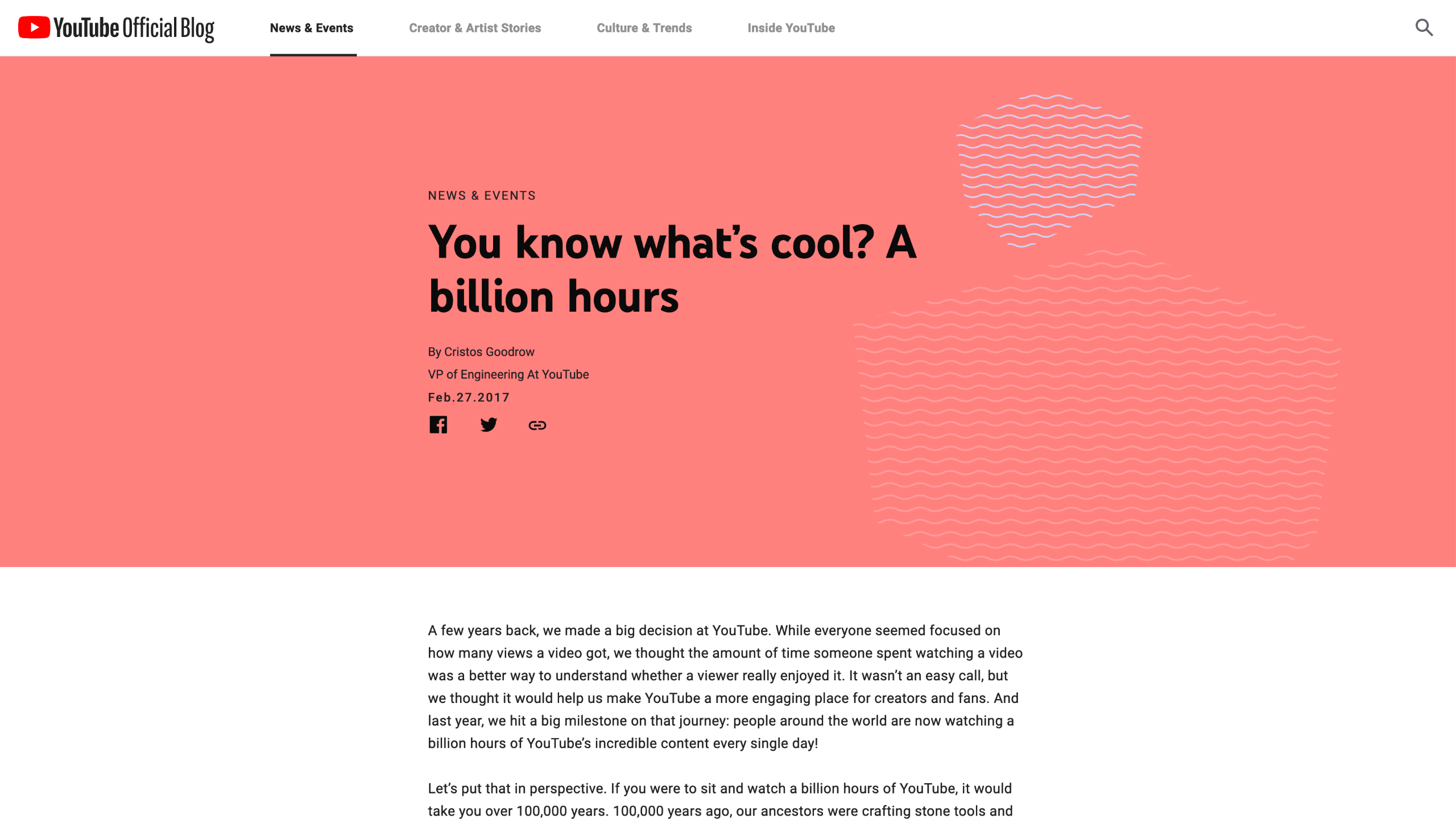
One case study I discuss is Youtube in 2016 optimizing purely for viewing time and causing untold damage.
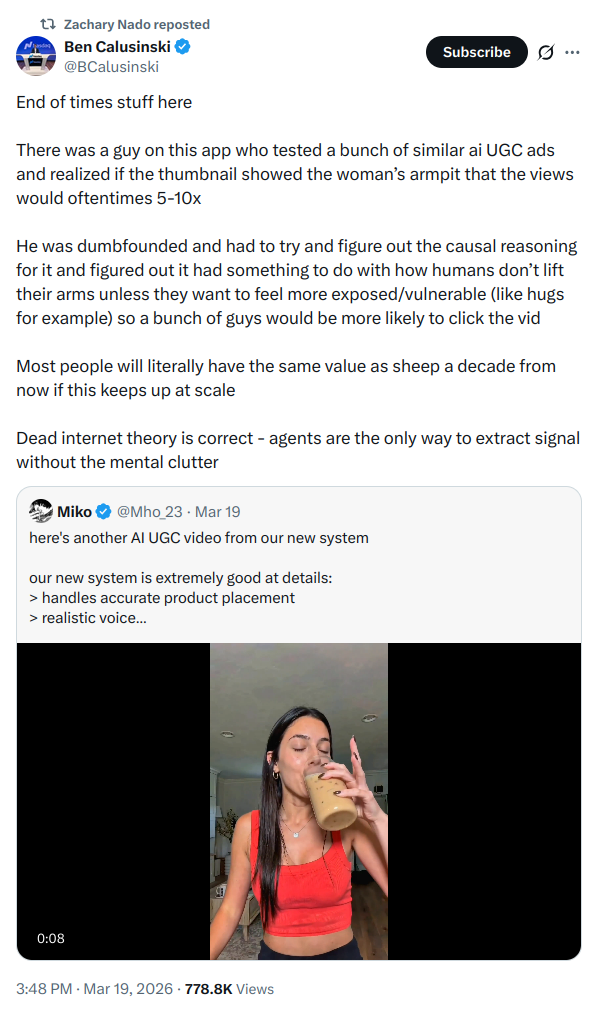
We are doubly vulnerable to this now that the content can be generated from scratch. We have an end-to-end pipeline from pixels to human attention, and it's going to cause trouble.
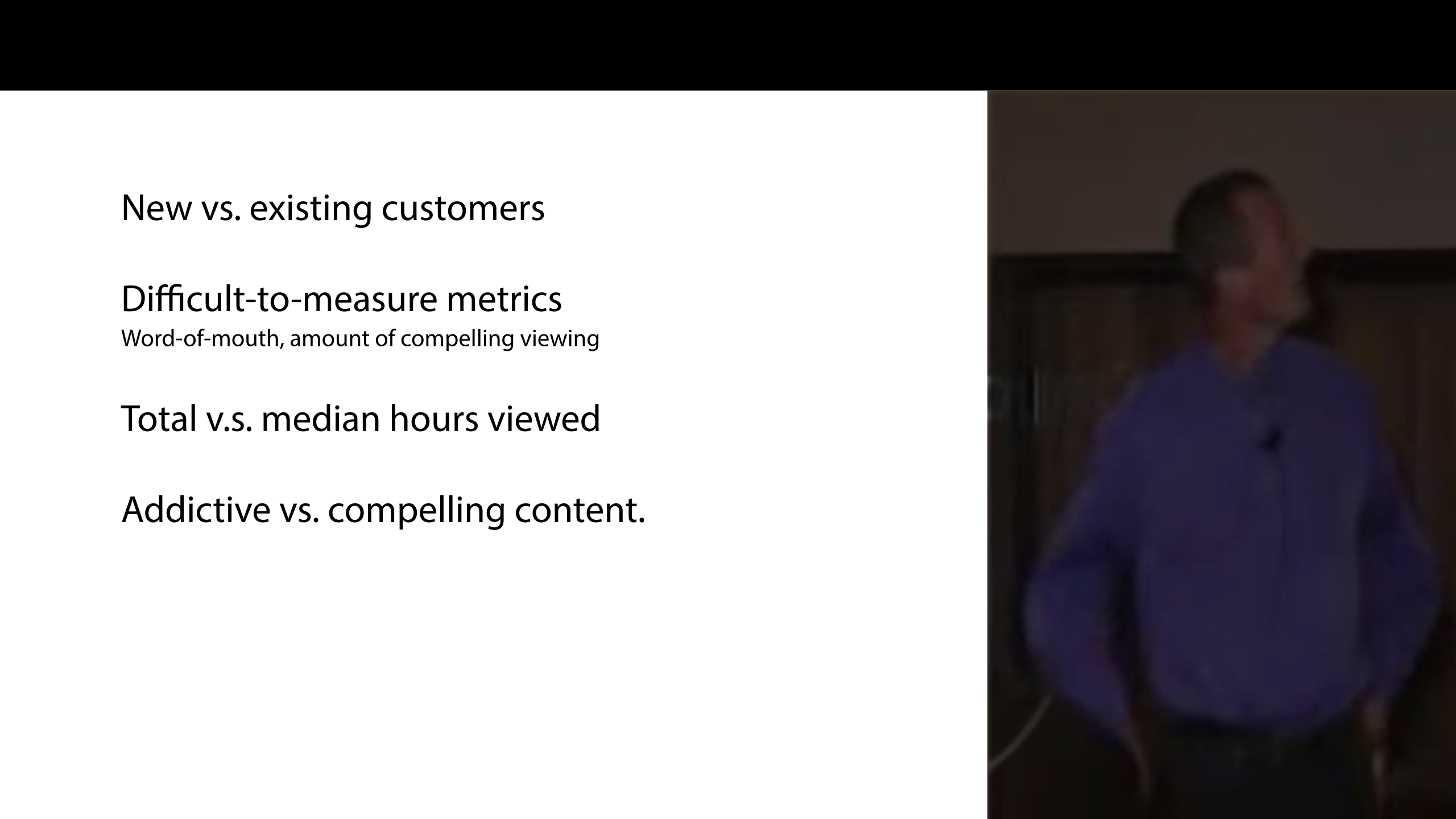
In the lecture notes is a link to a great keynote by Neil Hunt about what Netflix was doing at the same time.
This shows that "we didn't know" is no excuse for Youtube. There were plenty of intelligent people in the industry who knew exactly why what they were doing was a bad idea.


@spoltier Yeah, this model doesn't seem to have cracked hands yet.