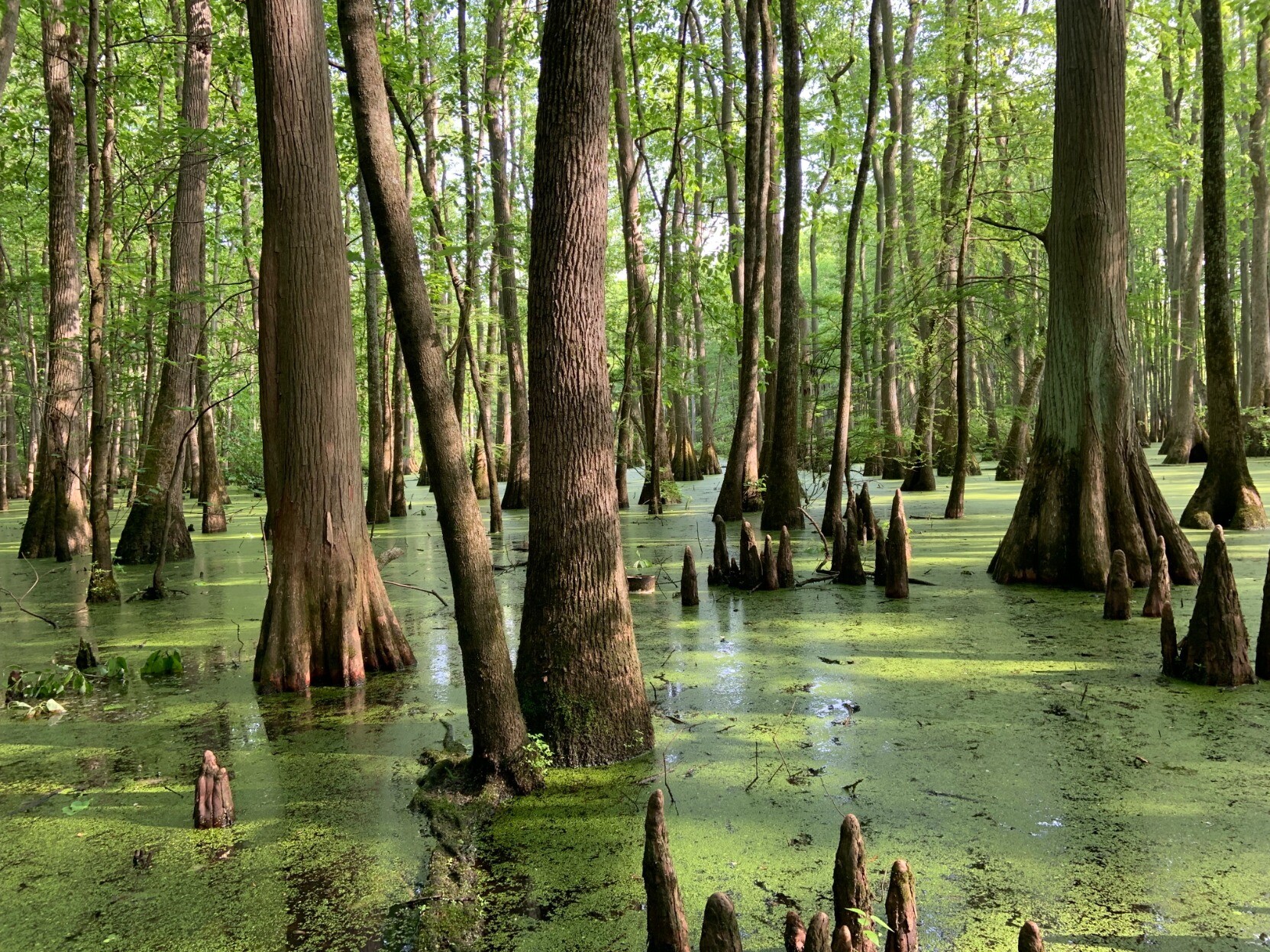
I thought I would do a thread here on Mastodon on one of my favourite ecosystems and why I think they are important: SWAMPS!
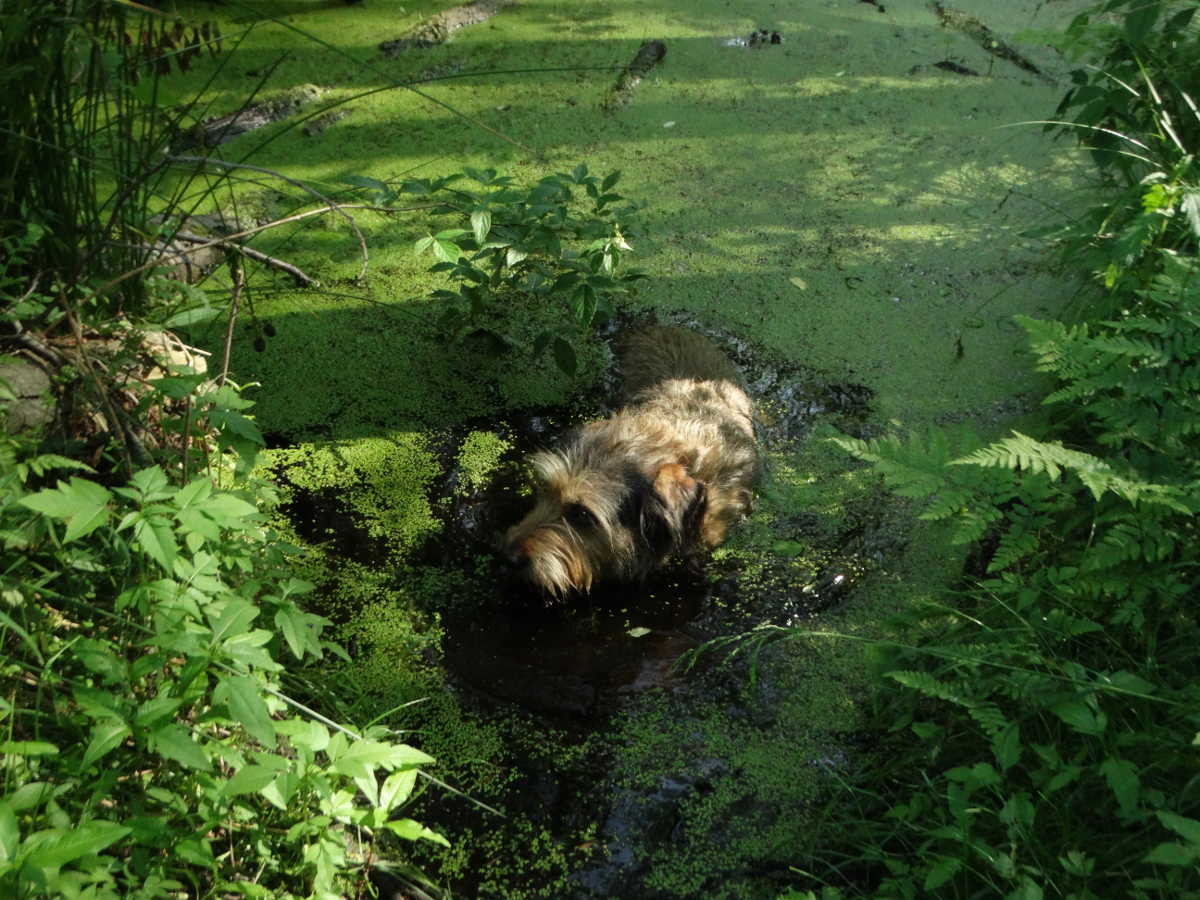
(Photo credit: Melinda Martinez: Cypress Creek National Wildlife Refuge)
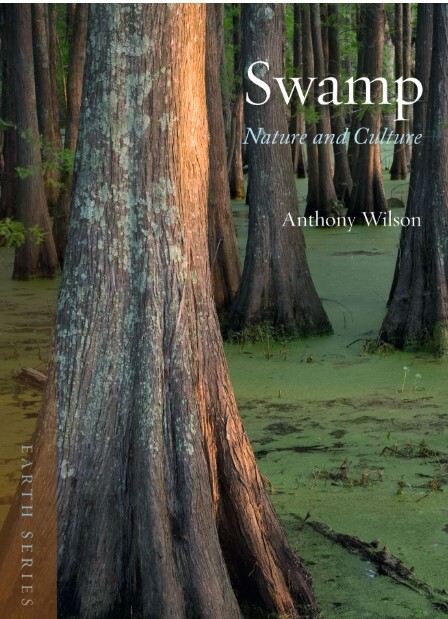
What is a swamp? It can be hard to define a swamp – many places define them differently. Broadly, they are forested wetland ecosystems, that may or may not be peat forming and with a fluctuating water table
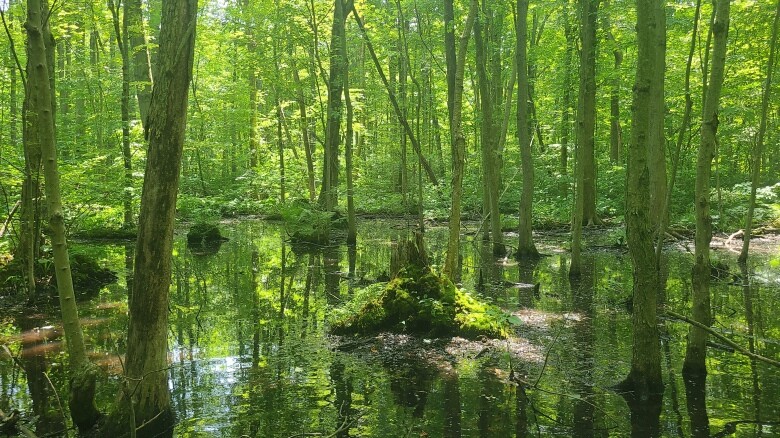
(Photo credit: Carlos Barreto: Temperate broad-leaved swamp, Canada)
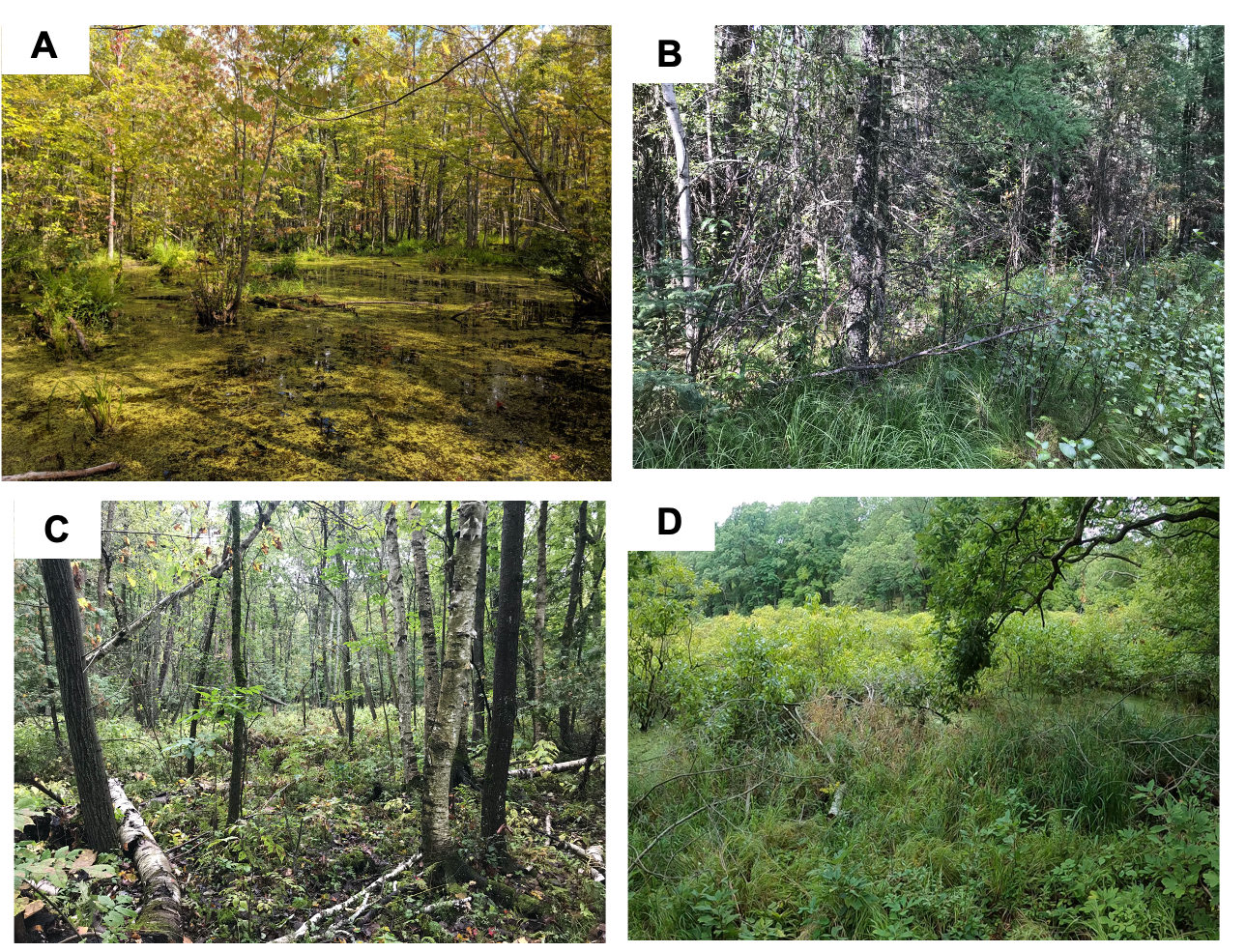
The types of trees growing on swamps differs wherever you are, but can range from needle-leaved species like black spruce or cypress, to broad-leaved species such as alder or maple to shrub swamps dominated by willow or birch
(Photo credit: A) Broad-leaved swamp (Dean Hiler), B) Needle-leaved swamp (Scott J Davidson), C) Mixedwood swamp (Scott J Davidson) and D) Shrub swamp (Lars Brudvig)
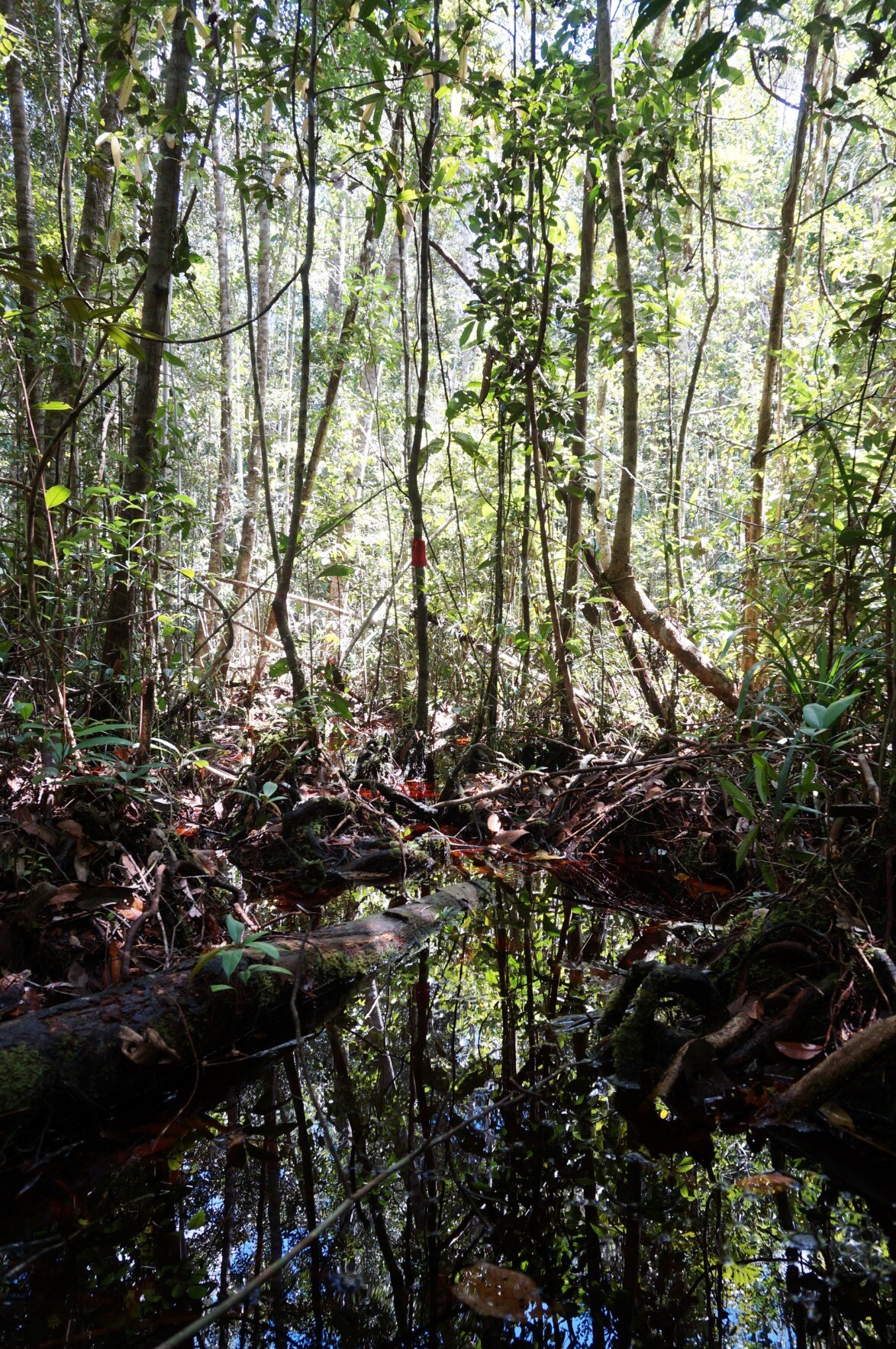
Swamps are found all over the world. Some of you might be familiar with the tropical peat swamps, with their towering trees – but swamps in a variety of different climate zones.
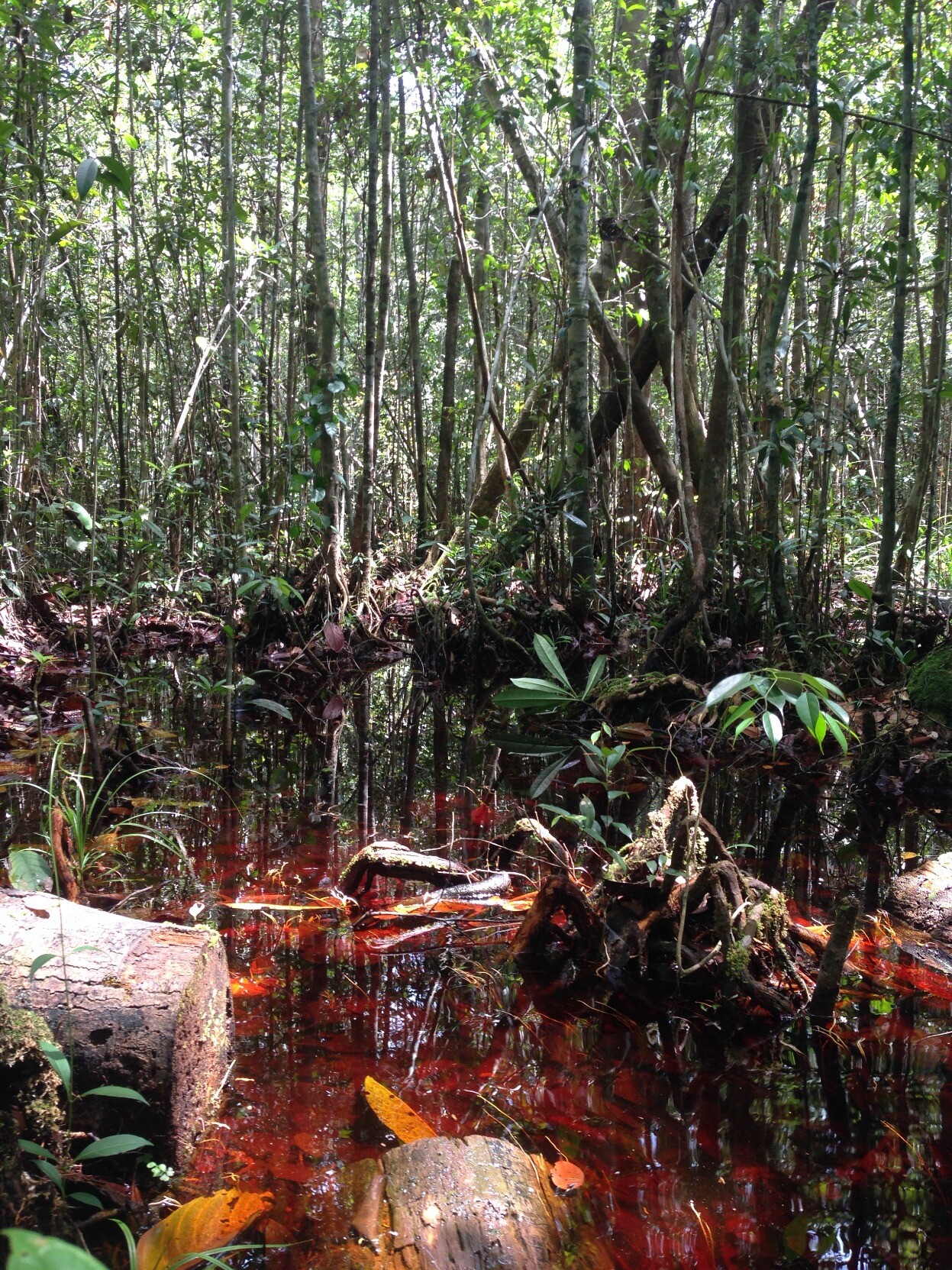
(Photo credit: Sara Thornton: Sebangau Peat Swamp Forest, Indonesia)
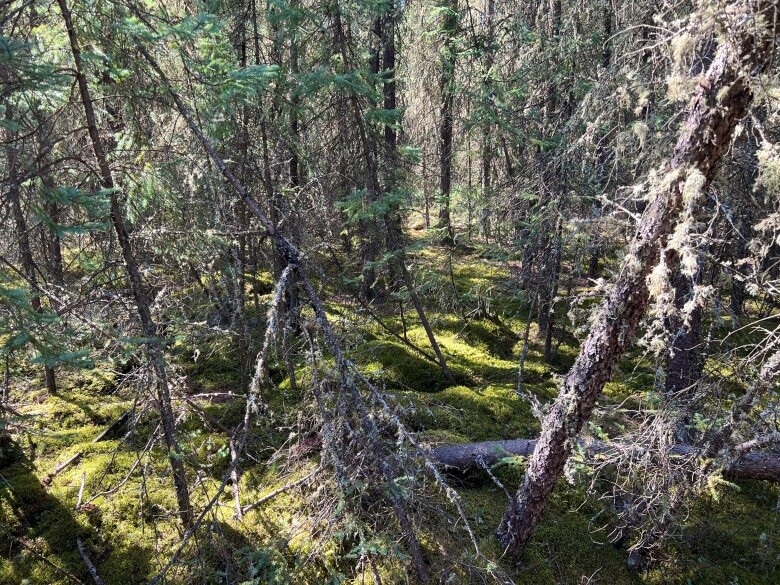
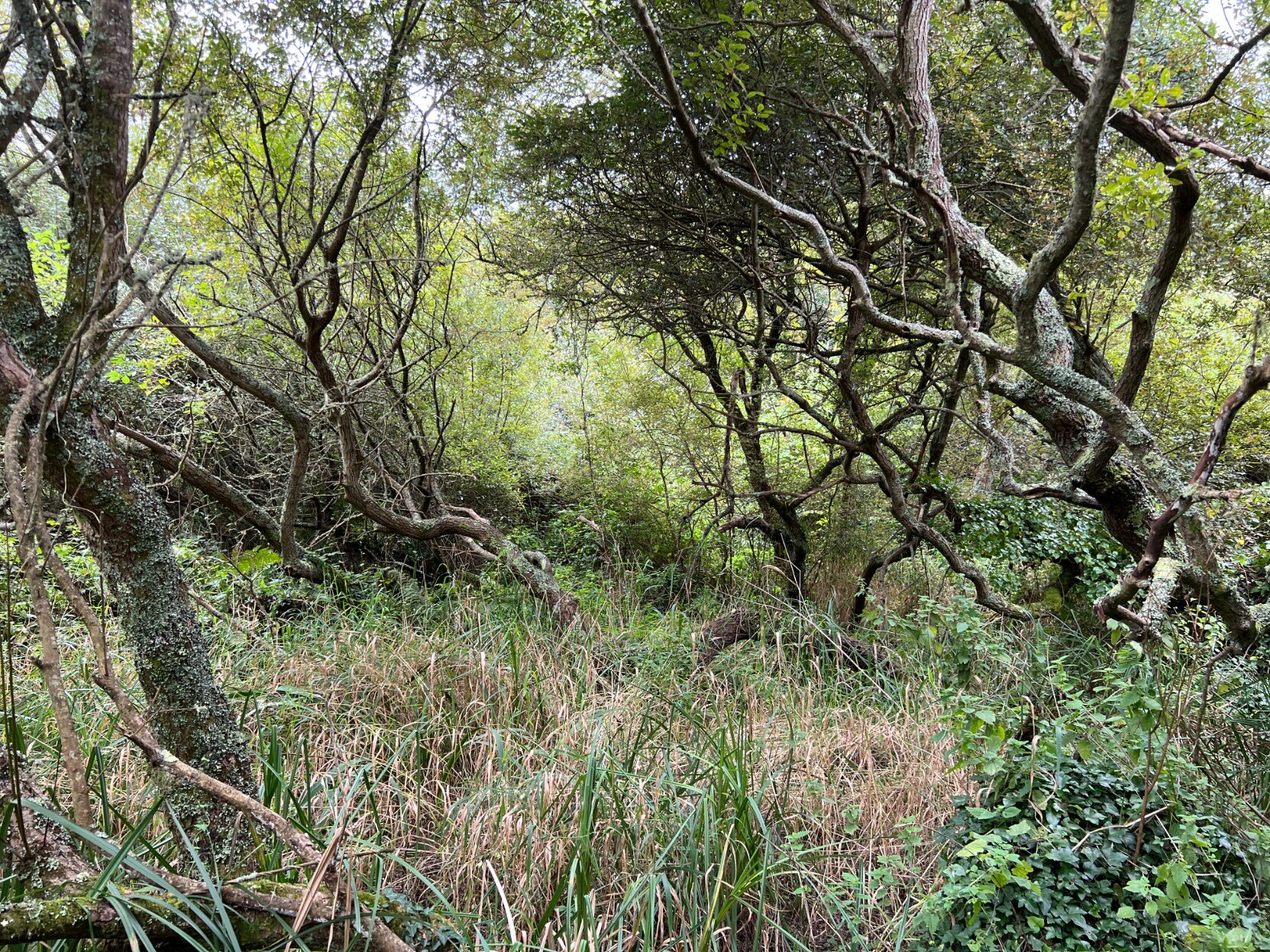
I personally work on both boreal swamps (those dominated by black spruce) and temperate swamps (also called wet woodland or carr here in the UK)
(Photo credit: Scott J Davidson: Heaven Swamp, Canada and Slapton Ley Willow Carr, UK)
Compared to other wetland types – they are really under-appreciated. They are not easy to work in – they are a combination of a jumble of trunks, branches and roots and very wet underfoot – not conducive to the most pleasant working environment.
This means we know less about how they function compared to other wetland types like bogs and fens – but doesn’t mean they are any less important!
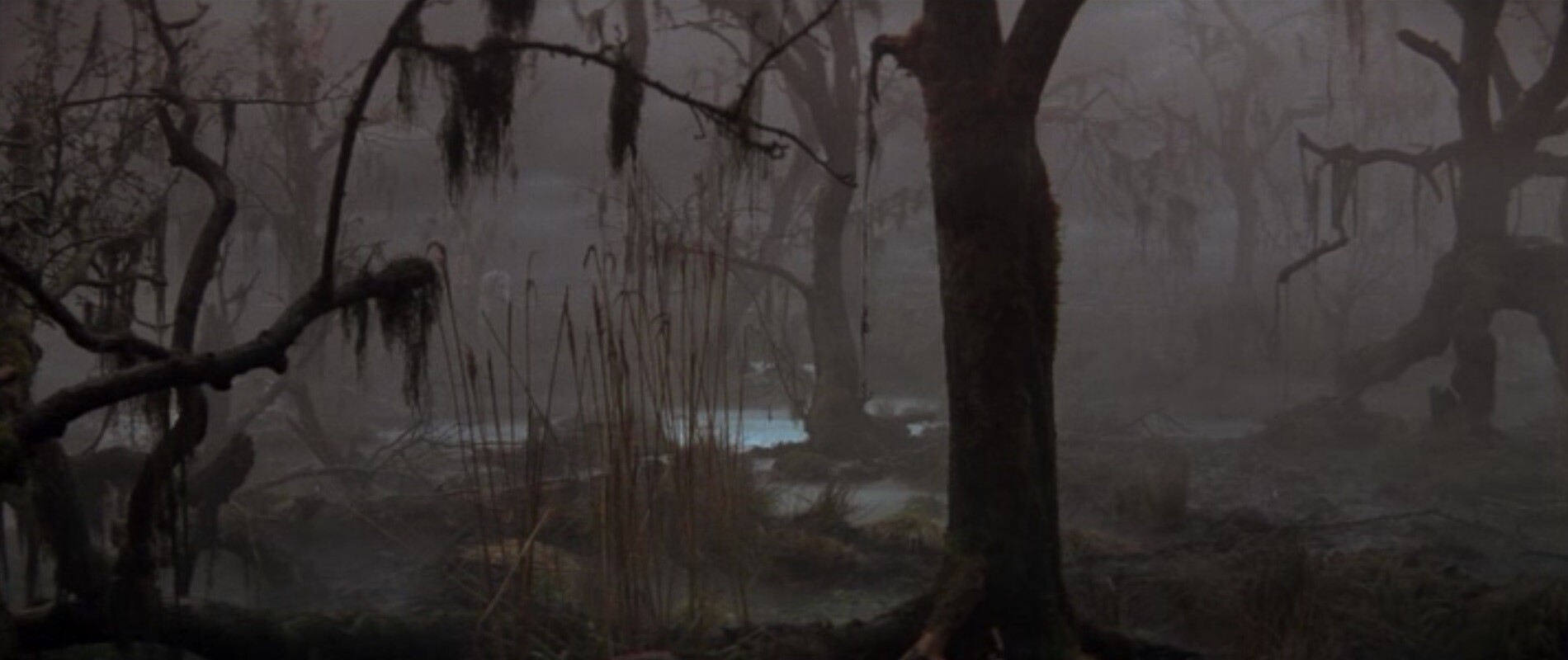
Swamps have bad PR – media constantly describe them as ‘no-go areas’, areas which will swallow you up or are home to scary creatures such as The Swamp Thing (even though he is a hero…).
Movies have labelled them in a negative light – the Swamp of Sadness and the Fire Swamp for example. Places you don’t want to go
But they could be really important in the fight against climate change as they potentially store large amounts of carbon both in their soils and peat but also in the trees themselves!
To answer Shrek's question - research. I'm doing research!