
 This is Mur
@1seidla
Yeah but I don't live in a cold place.
This is hot tropic, usual temperatures always above 30°C.
16°C freezes us, we are not adapted to cold.

@trinsec @1seidla
Yeah 16°C is not any freezing cold, just until now it was mostly hot and suddenly it has become cold so that's it.
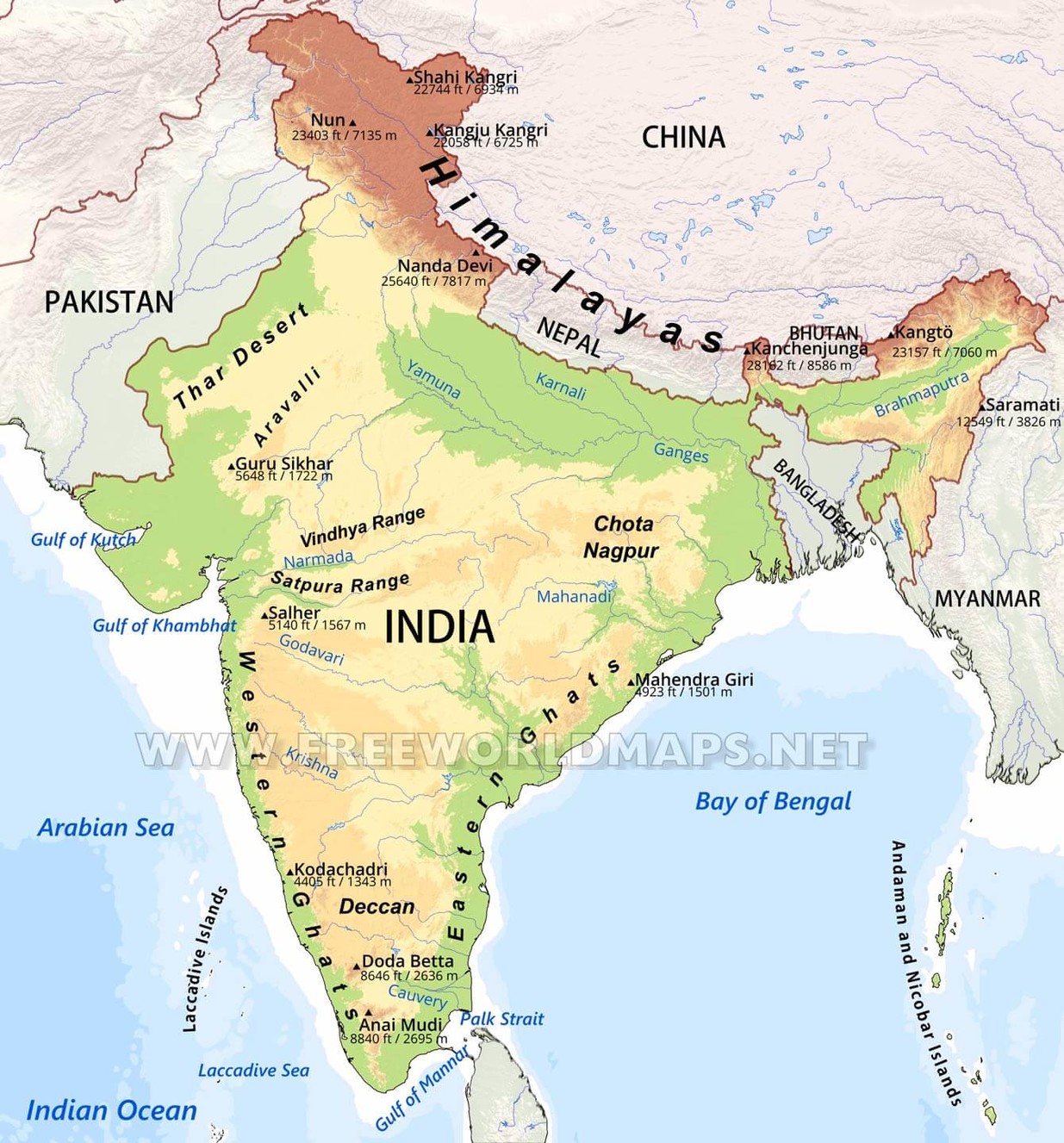
Geographically India is not too much close to the equator but the Indian ocean carries the hot moisture to the subcontinent which collides with the Western Ghats and Eastern Ghats (ghat means mountain chain) making the climate somewhat moist tropical and also giving the ghat regions very high amount of rain. The temperature in the summers goes above 40°C. (I live in the western ghats)
Where do you live?
@mur2501
Netherlands is where I'm from. I'm probably @1seidla 's neighbour. ;)
All flat, not a mountain in sight. We have one oversized hill that we call a mountain, you'd probably laugh at us for it (400 meter if I recall correctly).
Are your coasts basically all mountainous? Trapping whatever temperature and moisture inside? So, is India a natural greenhouse country? Jeez... I'd probably not like living there, I don't stand jungle climate very well. ;) I prefer it dry and about... well... 25ish degrees. 20-25 would be nice. 30+ is killing me.
@trinsec
The Western Ghats run parallel to the coast spanning 1600 Km in lenght, average distance between the ghats and coast remains mostly 50-100Km throughout.
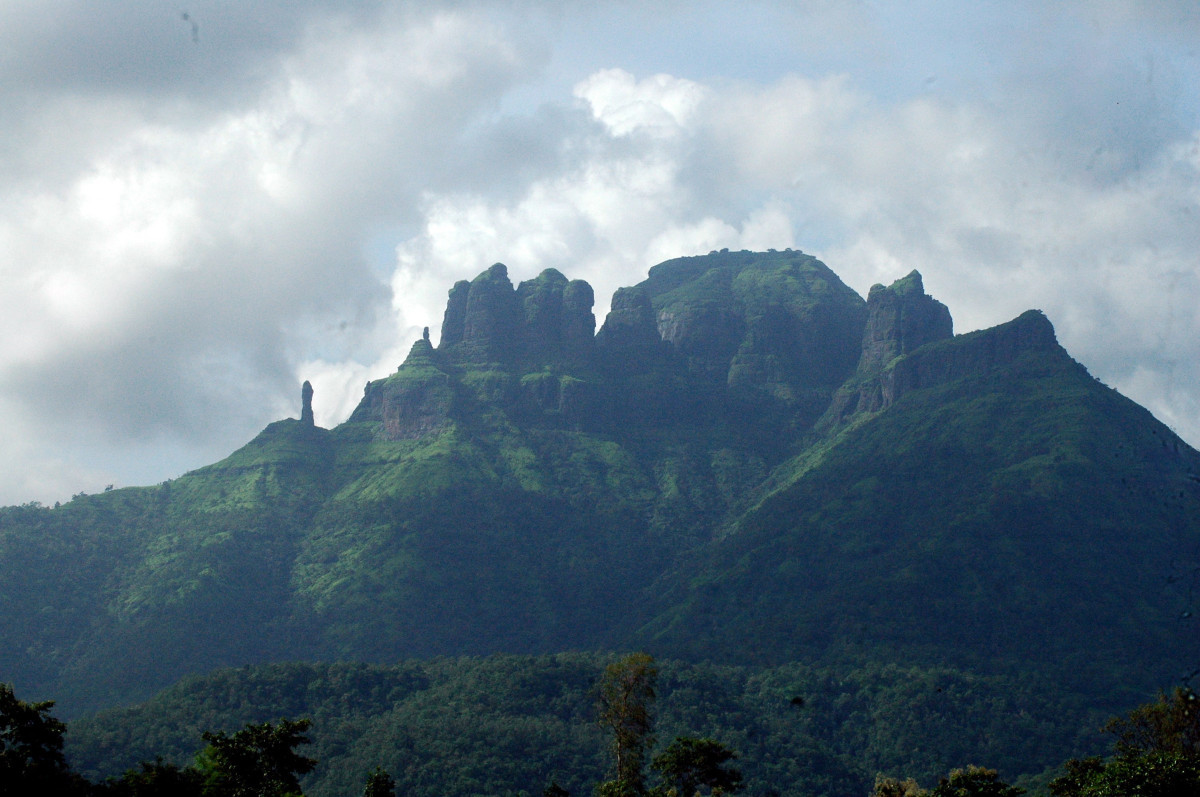
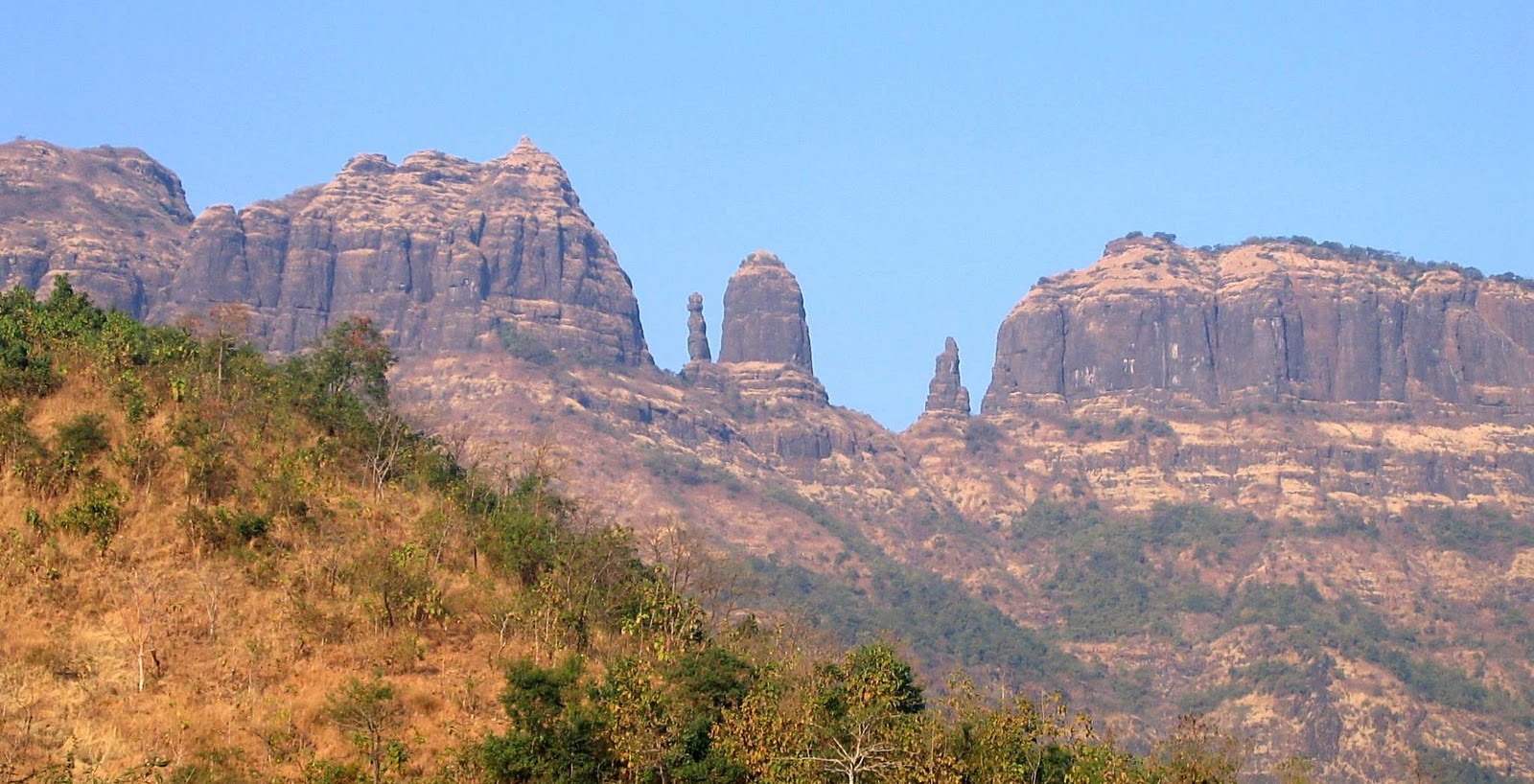
My town is situated on foot of the Western Ghats(80Km from Mumbai). The mountain here in my town is called Mahuli (Pictured, one is from rainy season so all green other from the summer hence brown and desert like) it's around 900 m in height. The highest peak of the Western Ghats is in Southern India at the height of 2695m (known as Anamudi, literally means elephant's head).
While all of the India is typically hot (except the Himalayas ofcourse) Western Ghats also receive a ton of rain making it a great habitat for all animals and plants. Basically this is the Amazon of India.
@trinsec
Well Western Ghats and Himalayas are around 2000Km apart, also Western Ghats are much more older then Himalayas. Anyway the three mountain Systems together affects the weather system of the Indian Subcontinent, Indo-China, Tibet and Central Asia.
With 70% of the 1.3 billion Indians working in the agriculture and animal husbandry sector plants and nature as always being a deep part of the culture here.
