

Robin Lacassin @RobinLacassin@qoto.org
- My IPGP page
- http://www.ipgp.fr/~lacassin
- Tectoldies blog
- https://tectoldies.mystrikingly.com/
Geology, tectonics, earthquakes, seismotectonics, hazard epistemology & sci com.
Senior researcher at Institut de Physique du Globe de Paris (IPGP - CNRS - Univ. Paris Cité). Tektonika DOAJ executive editor.
Joined Nov 2022
Earthquake Disaster
@Stef_EQ_Geology @ALomax It's so common that medias extend the so-called Pacific ring of fire to the sunda subduction… Strange
Earthquake Disaster
@ALomax Yes. Even worse. I read 44 fatalities (Le Monde).
Likely a shallow crustal fault rupture very close to towns / villages. Sad.
Any idea of the mechanism ? (from local networks)
According to posts on twitter, there are significant damages and at least 2 fatalities after a moderate magnitude M5.6 #earthquake in western Java island, Indonesia. Inland shallow fault rupture, close to towns, likely explain the destructions.
RT 👇🏼 https://twitter.com/BNPB_Indonesia/status/1594596756205244418?s=20&t=N0QFeOPMmCQp1ReAfiCnjw
and
https://twitter.com/pamumpuni/status/1594599955037028354?s=20&t=N0QFeOPMmCQp1ReAfiCnjw
Robin Lacassin
boosted

You can view the COP process more as a mechanism for keeping everyone collectively (at least in principle) moving in the same direction, which sets conditions for progress elsewhere. Managing to get everyone to agree on *anything* when they have such conflicting motives and incentives *is* an achievement.
But in the face of an accelerating global crisis, the scope of what can be collectively agreed seems terrifyingly small.
Robin Lacassin
boosted

Without any binding commitments to rapidly and immediately reduce greenhouse gases, the world stands no chance to deliver on the 1,5°C limit, and by doing so minimising risks of uprooting the life supporting systems we all depend on and endangering countless human lives.
#COP27
@adriana_heguy @hildabast On my side I keep the bird alive at least for some time.
Two reasons:
• I'm communicating about natural hazards, earthquakes, risks, and the general public is not (yet) here. There have been some discussions about the loss of link between the public and scientists on these subject. I agree it's an important issue.
• Also I want to see what happens to the bird...
Robin Lacassin
boosted

@hildabast @RobinLacassin I deactivated my bird account yesterday, it feels great and anecdotally (I have no data), I’m finding many more scientists here! So far, I think @mastodon is a better home for scientists and people interested in science and knowledge! So civilized!
Interesting article by @hildabast on the big Mastodon migration, and more specifically about academics, scholars migrating from twitter to science mastodon instances.
Robin Lacassin
boosted

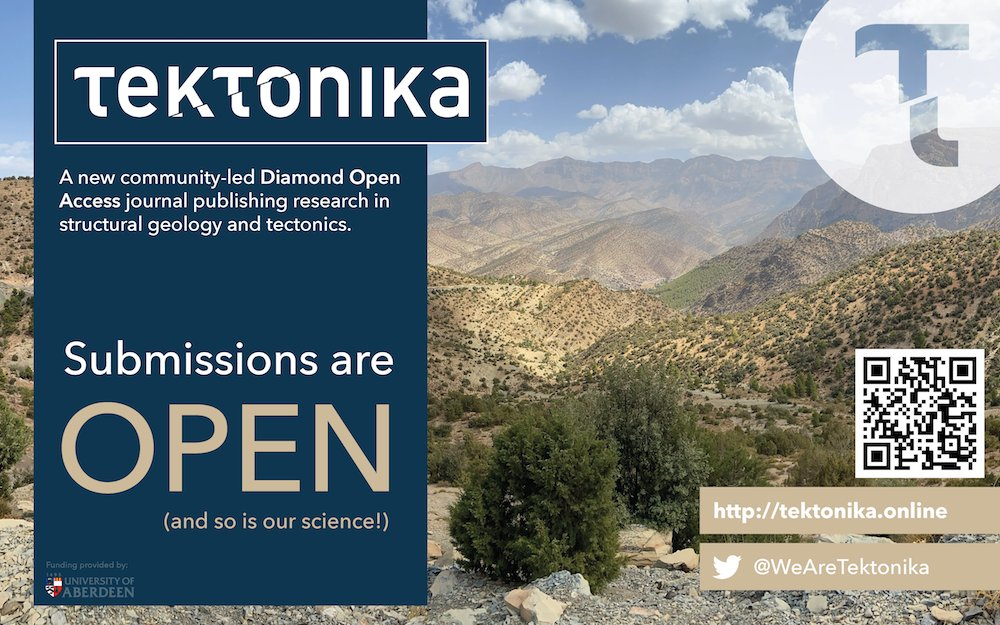
τeκτoniκa is a community-led Diamond Open Access journal publishing peer-reviewed research in structural #geology and #tectonics.
We offer an alternative to traditional publishing models, which hide scholarly work behind expensive paywalls. τeκτoniκa is part of an expanding movement within academia focused on breaking the barriers inherited from the pre-internet publishing era, to ensure free and open access to knowledge for all. #openaccess #openscience
Robin Lacassin
boosted

Hello everyone!
New here; escaping the hellscape of Twitter.
Here is a short intro. I'm Kaja a #Quaternary Scientist based at University of Liverpool.
I work on:
• developing #chronology using #luminescence dating (#OSL)
• understanding sediment #provenance using #geochemistry
• #dust records of environmental change (#loess)
I also bake, climb, hike, row, and absolutely love rocks 🪨🖤
Robin Lacassin
boosted

Why is it important that Early Career Researchers (#ECRs) engage on #social media ?
A #thread ⤵️
Academic #research is a very #competitive activity. ECR needs to promote their #work if they want to find #jobs.
They also need to interact / collaborate with other #researchers. For that, #networking is something EXTREMELY important.
Robin Lacassin
boosted

I came here following the mass migration from science/academic Twitter, and hope to reconnect with my network.
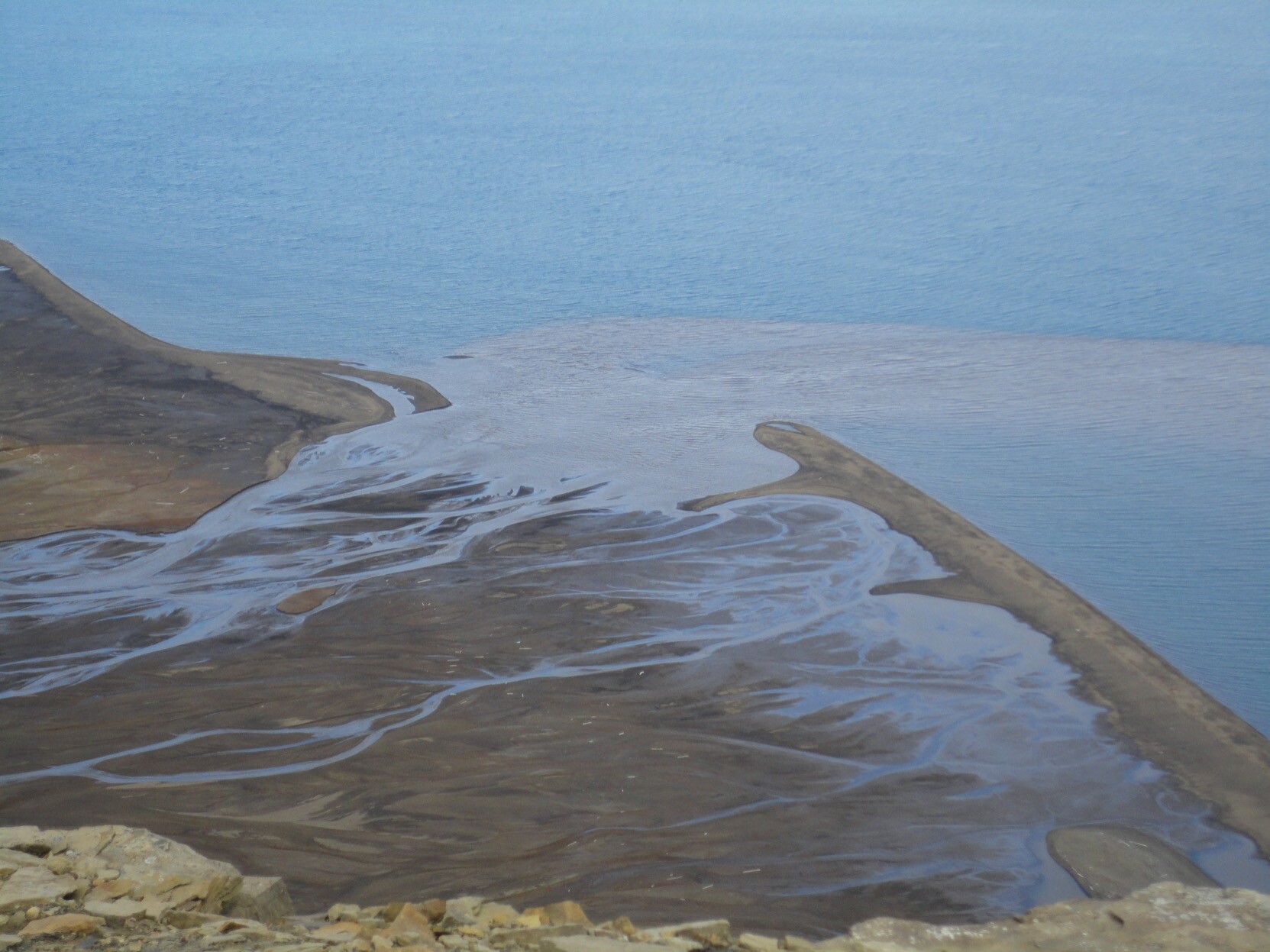
I am a sedimentologist (geoscientist) living in the high arctic. I talk about diversity and equity in academia, family life, leadership, personal reflections and science.
The Ka or Ca family of Diamond Open Access Journals DOAJ launched by the community:
• Volcanica (are they on the fediverse?)
• Tektonika (soon on the fediverse)
• Seismica @weareseismica
• Sedimentologika just open !
• and soon Geomorphica
A dude created a poll to allow everybody voting to continue banning Trump from the birdsite ⛔️. Will not RT his tweet, but you may easily find it on the birdsite: the account is from a guy named Elon M 🤔
Sedimentologika is officially open for submission - #DOAJ Diamond Open Access Journal #openscience #openaccess
@charlesll @RaphaelGrandin Charles, je t'envoie ça par mail. Robin
Robin Lacassin
boosted


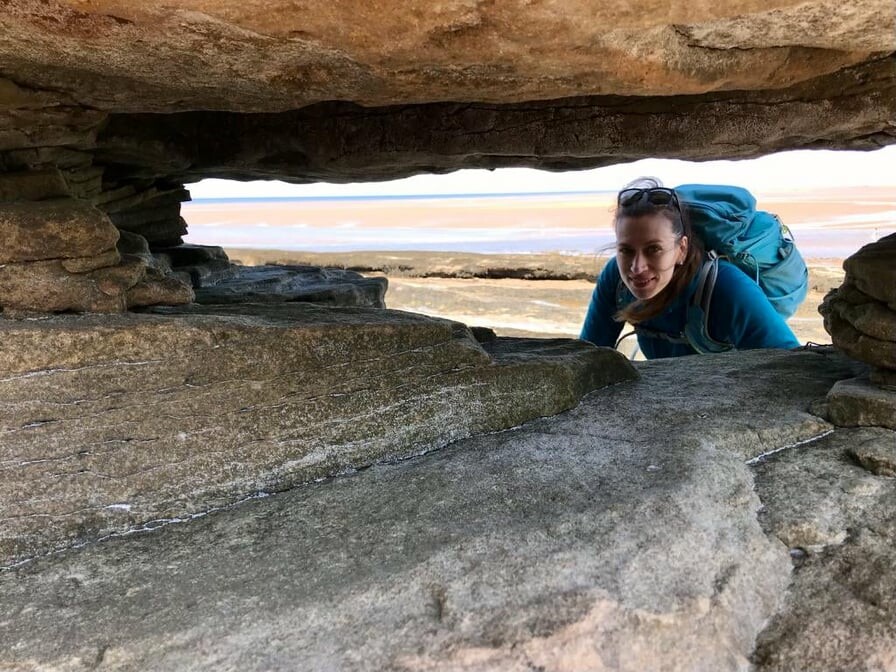


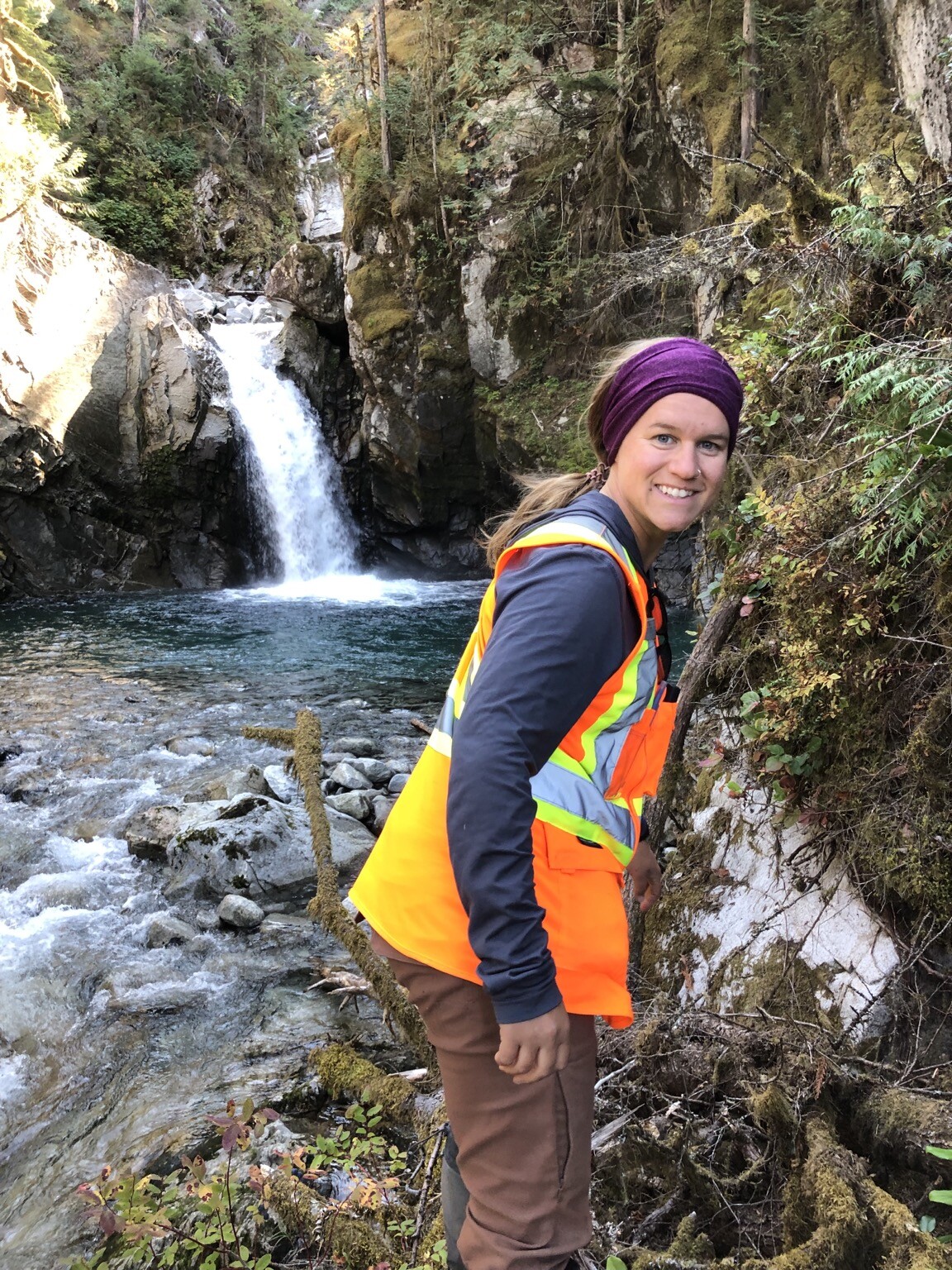
Hi! I’m a research scientist at the Geological Survey of Canada and adjunct professor at the University of British Columbia and the University of Victoria. I study #earthquakes and focus mostly on #SeismicRisk and #ActiveTectonics. I’m interested in #Paleoseismology #Neotectonics #Seismology #Geodesy and #SeismicHazard.
I’m also chair of the #AGU Hazards Equity Working Group, a Fast Reports editor at @weareseismica and a Building Equity & Capacity committee member for #SZ4D.
Focal Mechanisms Explained: What are those “beach balls”? by
IRIS Earthquake Science
https://youtu.be/MomVOkyDdLo
A magnitude Mw6.9 #earthquake offshore south-central #Sumatra.
Mechanism and location suggest rupture on the shallow part of the #subduction #megathrust close to the trench (on the very shallow dipping fault plane). However, modelled depth of ~19km, if true, seems little too deep given the closeness with the trench (USGS gives same depth and mechanism). This means that we cannot exclude a rupture on the steep fault plane within the oceanic plate.
Map with source time function from Geoscope IPGP
http://geoscope.ipgp.fr/index.php/en/catalog/earthquake-description?seis=us7000iqpn
Larger map with epicenter of this event in red from USGS (both not yet on fediverse it seems)


Three other mysterious sketches. Now you know these are geographic maps to be completed. What are they showing ? 3/4
Answer tomorrow 😉


- My IPGP page
- http://www.ipgp.fr/~lacassin
- Tectoldies blog
- https://tectoldies.mystrikingly.com/
Geology, tectonics, earthquakes, seismotectonics, hazard epistemology & sci com.
Senior researcher at Institut de Physique du Globe de Paris (IPGP - CNRS - Univ. Paris Cité). Tektonika DOAJ executive editor.
Joined Nov 2022
