

Andrew Kennard @askennard@qoto.org
- Website
- https://andrewkennard.github.io
- Google Scholar
- https://scholar.google.com/citations?user=ifhxikkAAAAJ
Cell biologist and biophysicist studying evolutionary cell biology.
I'm interested in how amoebae divide, especially relatives of the "brain-eating amoeba"
I study this with microscopy, image analysis, and comparative genomics.
Postdoc at UMass Amherst Biology, PhD in Biophysics from Stanford.
I also love jazz and nature photography!
searchable
Joined Nov 2022
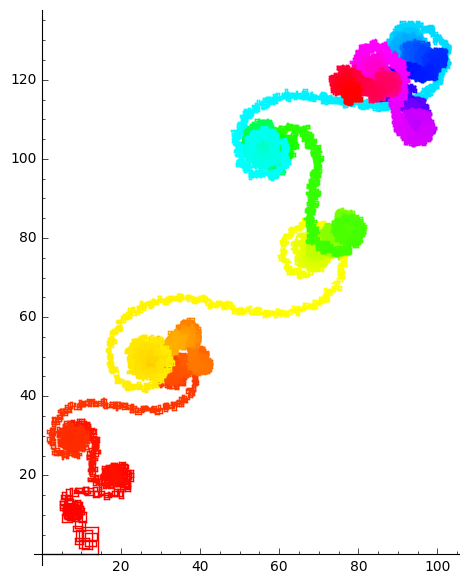
@jonny @vicgrinberg @stevenstrogatz his work is fascinating! He also has an incredibly gorgeous full-color book on some of these ideas from Scientific American called "Biological Clocks" where he uses the rainbow representation of circadian phase to incredible effect. Very accessible and one of my all time-faves!
Andrew Kennard
boosted

@vicgrinberg One very beautiful one that I think is readable by nonexperts but it takes a great deal of time (I would read and savor and have to work through every page because I am not a math whiz, but it was some of the most interesting reading I have ever done) is Art Winfree's "The Geometry of Biological Time" (as recommended by @stevenstrogatz ). Lovely set of ideas about biological dynamics that really changed the way I think about, well, a lot of things from biology to politics
Andrew Kennard
boosted

So, why is it that (as I mentioned earlier), when you draw a line that turns left at every nontrivial zero of the Riemann zeta function (it actually works for just about any turn angle), it coils up into these lovely whimsical curlicues resembling Euler spirals? I think I have a general understanding of it now.
Andrew Kennard
boosted


The bit about a lawyer being stopped from entering a music hall in the US because its facial recognition system picked up that she's part of a law company that's suing them is even crazier than I thought.
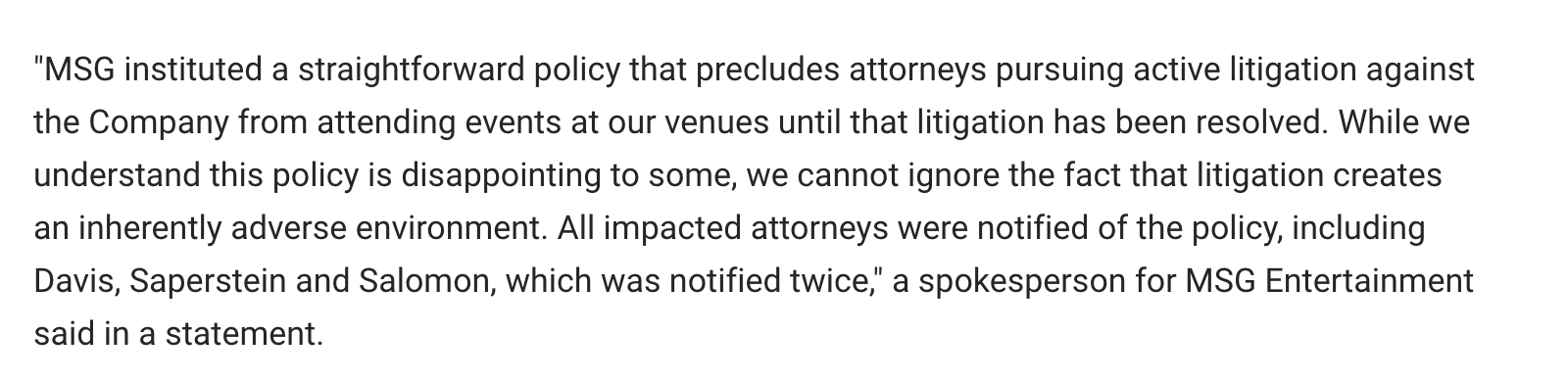
The law company isn't suing the music hall - it's suing a restaurant, in another state, which is owned by the hall's parent company MSG Entertainment. MSG gone ahead and harvested photos of all the lawyers in the firm and fed it to an image recognition system to ban them from every MSG Entertainment owned location.
People always tell me that if you've got nothing to hide then you've got nothing to fear. She's got nothing to hide and they still went after her.
If this doesn't start making people worried about facial recognition then there's serious trouble coming.
https://arstechnica.com/tech-policy/2022/12/facial-recognition-flags-girl-scout-mom-as-security-risk-at-rockettes-show/
The law company isn't suing the music hall - it's suing a restaurant, in another state, which is owned by the hall's parent company MSG Entertainment. MSG gone ahead and harvested photos of all the lawyers in the firm and fed it to an image recognition system to ban them from every MSG Entertainment owned location.
People always tell me that if you've got nothing to hide then you've got nothing to fear. She's got nothing to hide and they still went after her.
If this doesn't start making people worried about facial recognition then there's serious trouble coming.
https://arstechnica.com/tech-policy/2022/12/facial-recognition-flags-girl-scout-mom-as-security-risk-at-rockettes-show/
Andrew Kennard
boosted

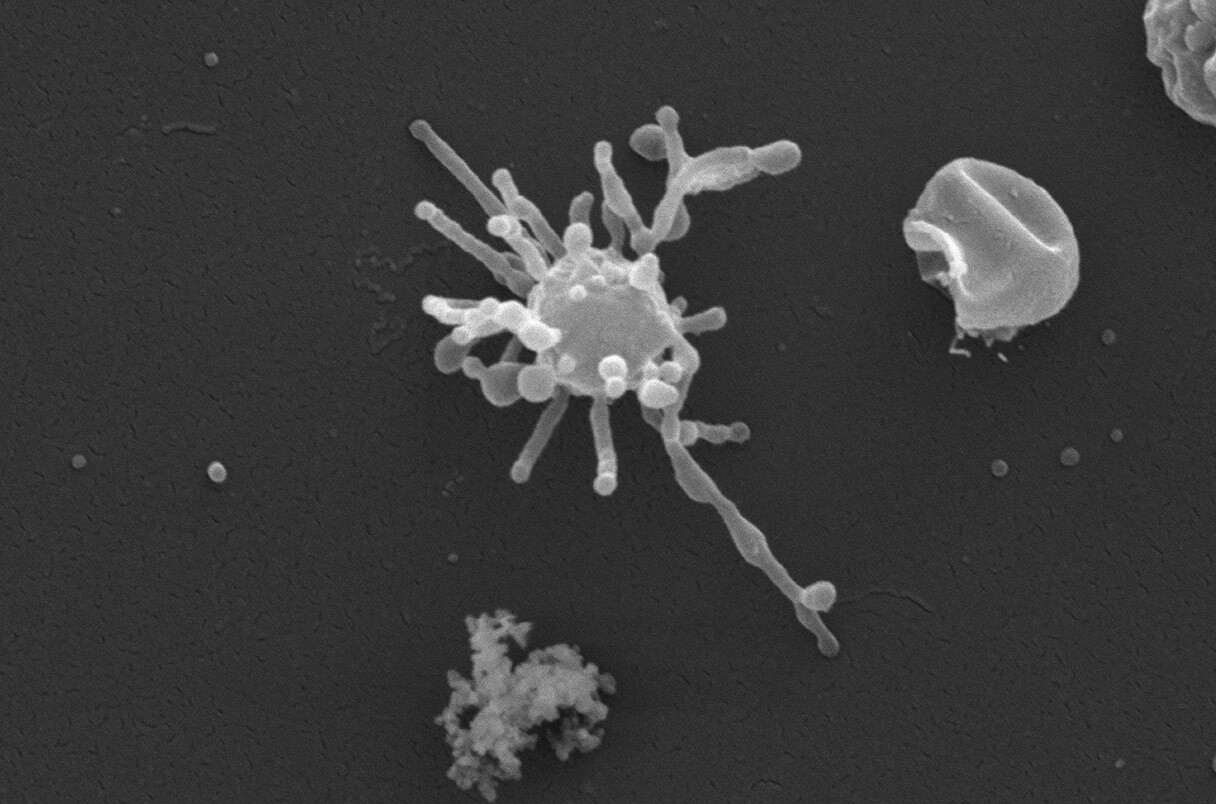
A glimpse of the last eukaryotic common ancestor (LECA)?
In any case, this is a stunning and important finding in evolutionary cell biology.
Andrew Kennard
boosted

📣 The Intercept newsroom is pleased to join you all on the fediverse to share our journalism, and to help support a decentralized platform that aims to be a better place to be. Please consider boosting this post so more readers know we’re here.
Andrew Kennard
boosted

Yo faculty who were hiring this season: Are all of your interviewees prospective homogeneity hires? If so, what are you doing to change that next hiring season? The time to do the research on that is now.
A common retort is "there weren't enough qualified underrepresented people in the applicant pool". That is a crap excuse, but even so, what are you doing now to change that within your graduate program? Current grad students will be applicants in a few years.
Andrew Kennard
boosted

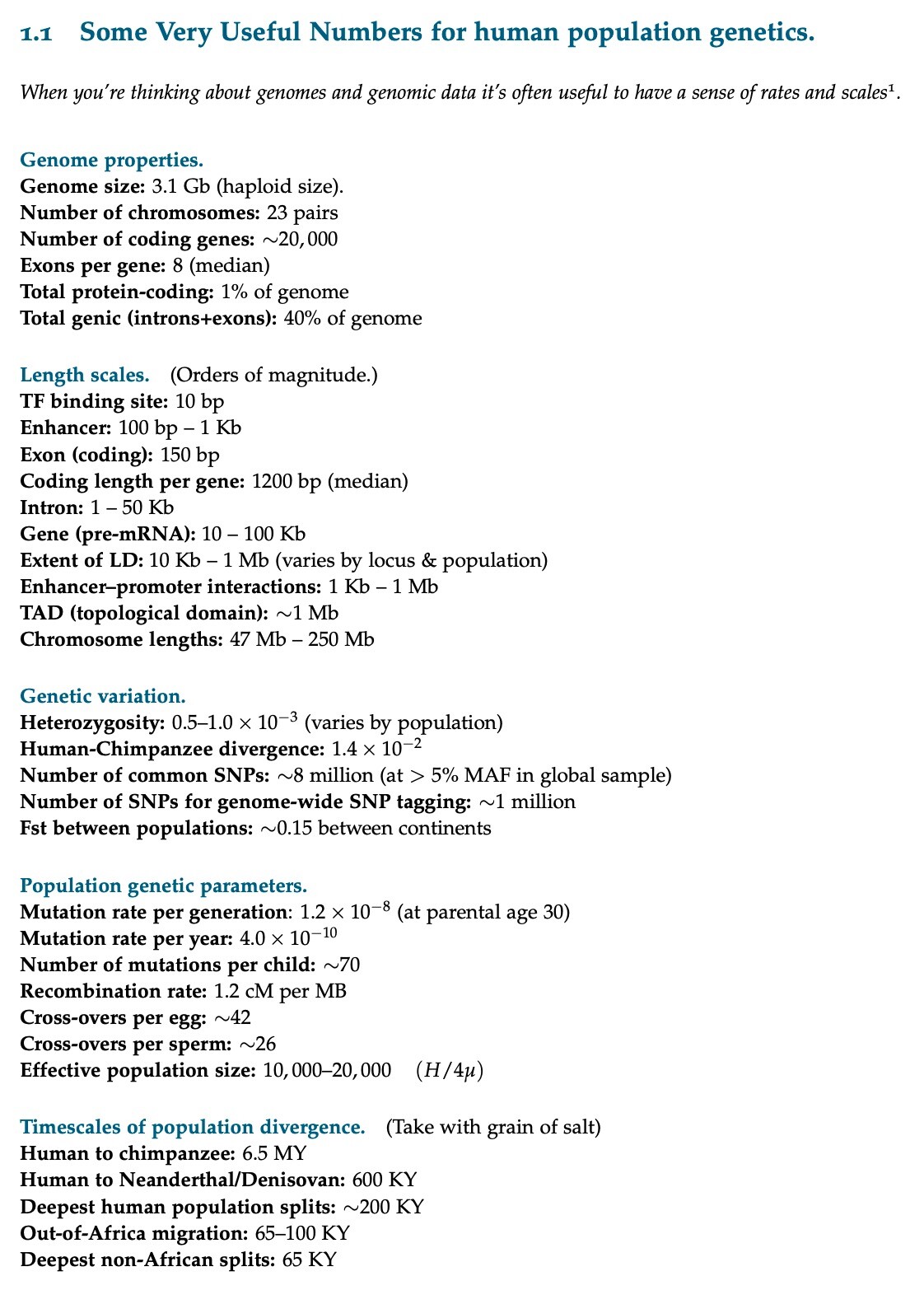
Sharing this in case it's useful: I find that students often have a hard time conceptualizing quantitative parameters in genomics and popgen.
Here is a draft version of a cheat-sheet that I put together for my winter-quarter human genetics class. It's also part of a book that I am slowly writing on human popgen.
Corrections and other comments very welcome
Andrew Kennard
boosted

This is absolutely insane. A mom was prevented from taking her daughter to a Christmas show at Radio City Music Hall because she works for a law firm litigating against the venue's parent company. They spotted her with facial recognition technology according to this report: https://www.nbcnewyork.com/investigations/face-recognition-tech-gets-girl-scout-mom-booted-from-rockettes-show-due-to-her-employer/4004677/
Andrew Kennard
boosted

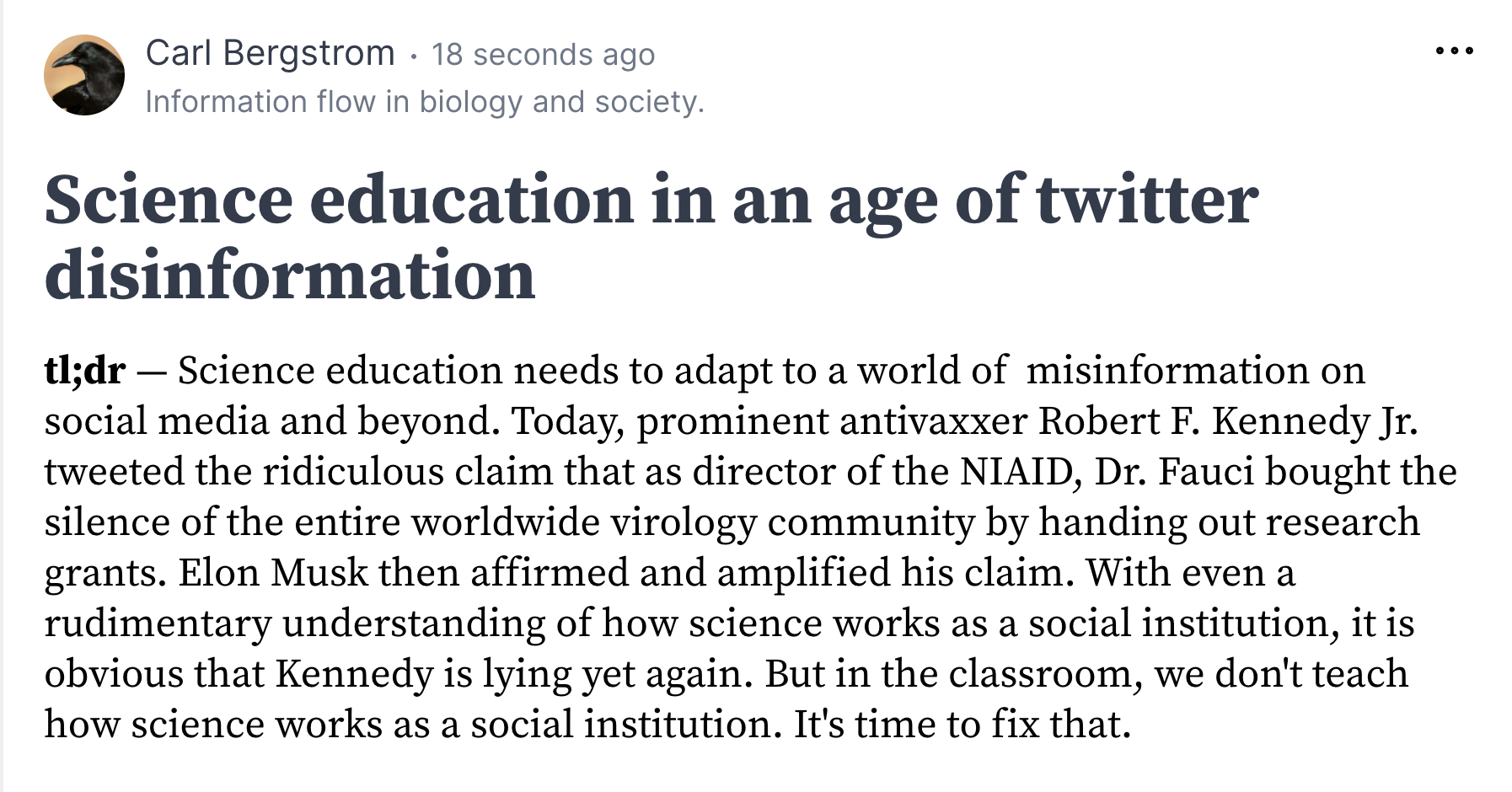
Some of you may have seen Elon Musk's endorsement of Robert F. Kennedy Jr.'s crazy antivax conspiracy theories today.
Over at post.news, I just posted a long-form piece about this, and about how science education needs to adapt to online disinformation.
Please a look. If you like it, boost it there or here or — if you dare — over on the birdsite.
Andrew Kennard
boosted


The asteroid that ended the dinosaurs was technically the highest ratio of killing birds to one stone.
Andrew Kennard
boosted

Nina Simone - Four Women (Audio) https://youtu.be/V8C5lloBfV8 via @YouTube
Andrew Kennard
boosted

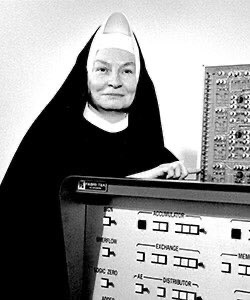
Sister Mary Kenneth Keller was born #OTD in 1913. She worked with John G. Kemeny and Thomas E. Kurtz on the design and implementation of Beginner’s All Purpose Symbolic Instruction Code — BASIC — and was the first woman in the US to earn a PhD in Computer Science.
10 PRINT “HAPPY BIRTHDAY”
20 GOTO 10
Andrew Kennard
boosted

Does the Qoto web client lack the ability to follow hashtags?
Andrew Kennard
boosted
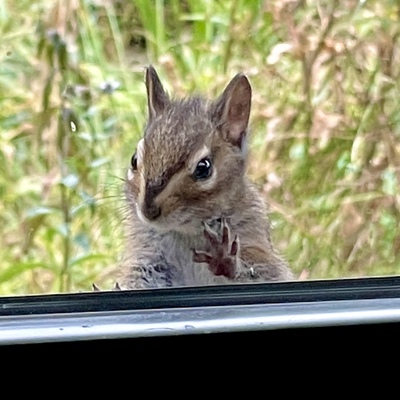
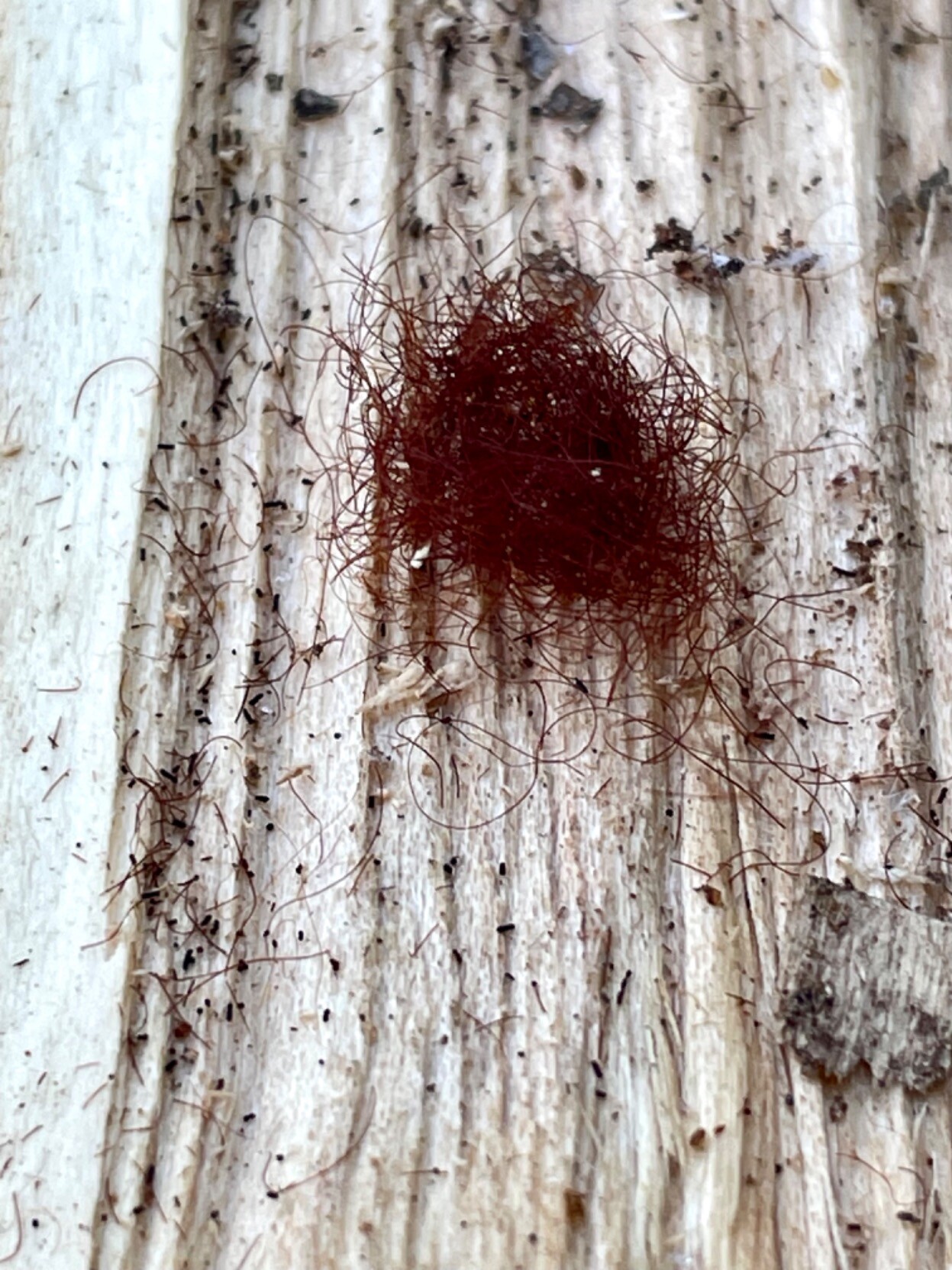
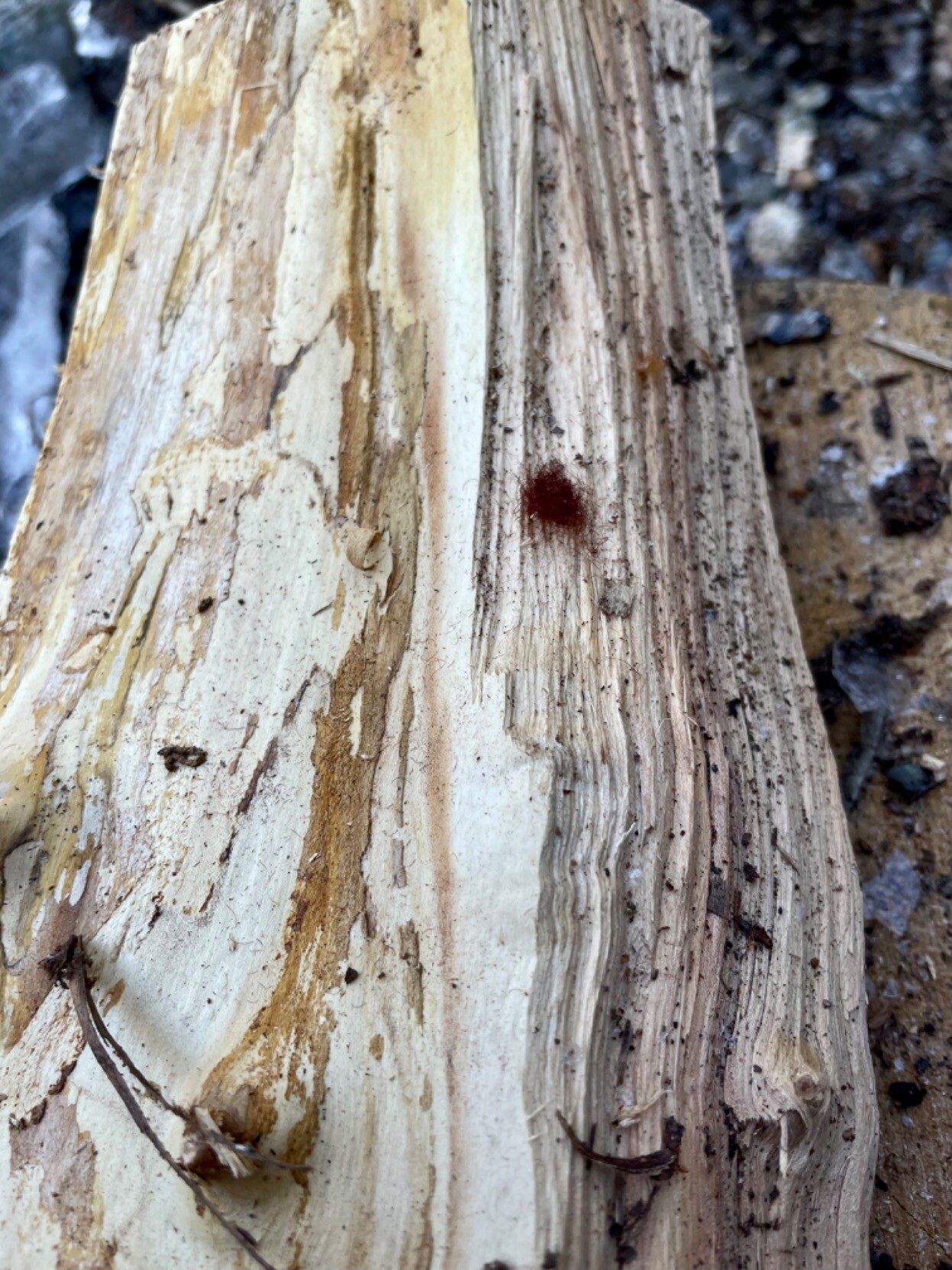
There are more people here now so maybe this will find someone who knows - is this some kind of lichen? I find it in my firewood, it’s often a little ball form as you see. #lichen #mosstodon #fungi #forest
Andrew Kennard
boosted

Looking for more motor and cytoskeleton friends out here in Mastodon, it's slow going so far...
Andrew Kennard
boosted

RT @Centriolelab
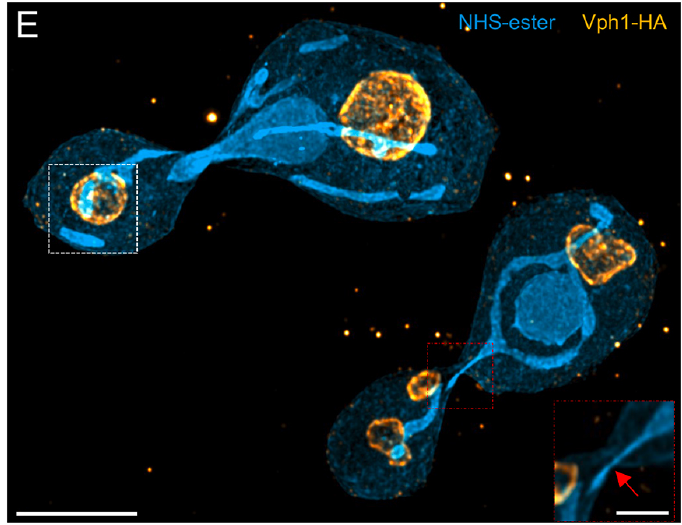
Delighted to present our latest work in collab with @Dey_Gautam and @LoewithLab labs (Kudos to @KHinterndorfer @MarineLaporte8 @F_Mikus). We applied U-ExM to S. cerevisiae and S. pombe and combined HPF with U-ExM for optimal organelle preservation
https://journals.biologists.com/jcs/article/135/24/jcs260240/286062/Ultrastructure-expansion-microscopy-reveals-the
Andrew Kennard
boosted

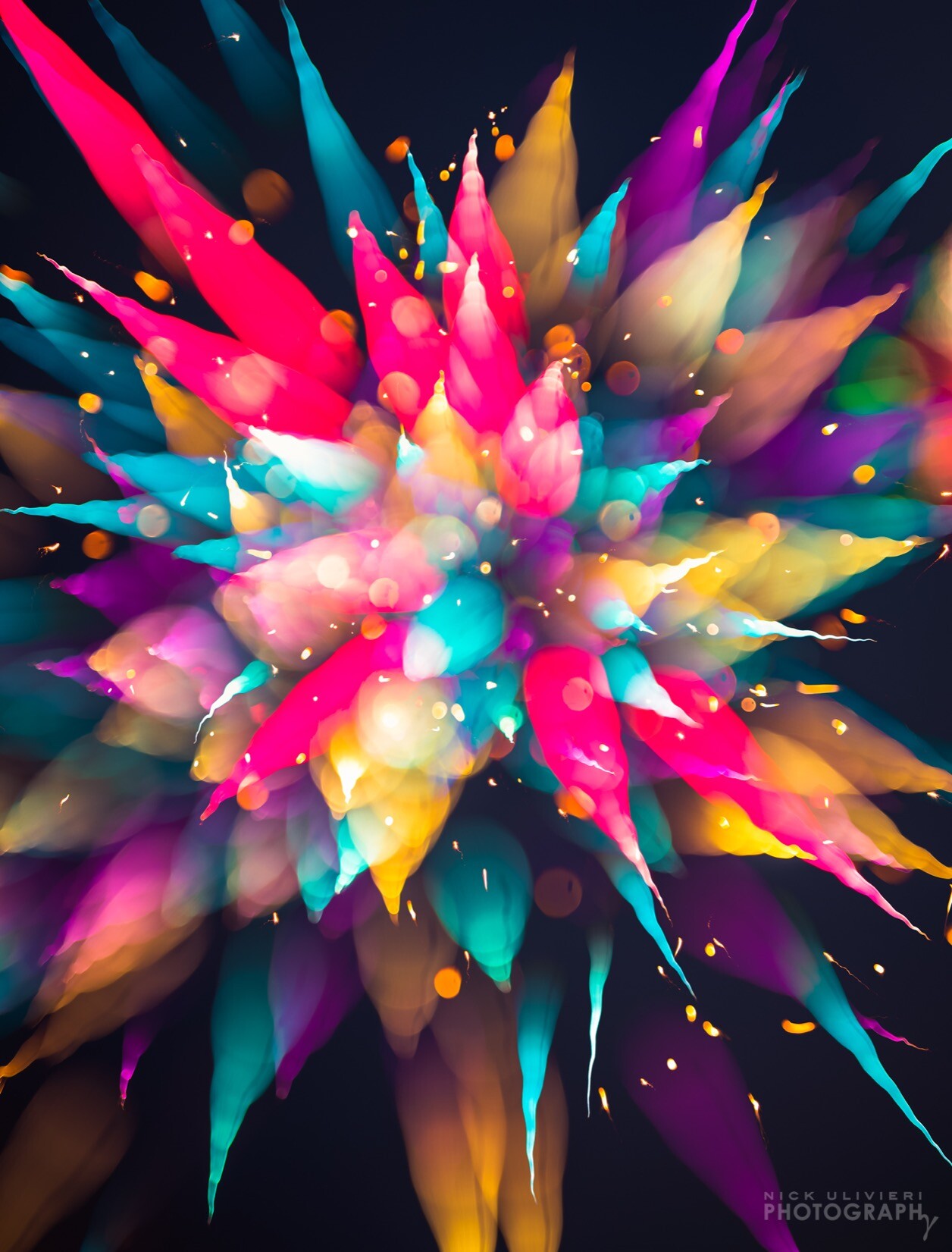
What happens when you twist your lens' focus ring while shooting long exposures of fireworks
Andrew Kennard
boosted

Great news for python lovers: A python version of DESeq2 is out! @biorxivpreprint #bulk #RNAseq #python #bioinformatics
https://www.biorxiv.org/content/10.1101/2022.12.14.520412v1
Andrew Kennard
boosted

There are many legitimate reasons to track Elon Musk's flight coordinates, for example to offer him ads more relevant to his interests
- Website
- https://andrewkennard.github.io
- Google Scholar
- https://scholar.google.com/citations?user=ifhxikkAAAAJ
Cell biologist and biophysicist studying evolutionary cell biology.
I'm interested in how amoebae divide, especially relatives of the "brain-eating amoeba"
I study this with microscopy, image analysis, and comparative genomics.
Postdoc at UMass Amherst Biology, PhD in Biophysics from Stanford.
I also love jazz and nature photography!
searchable
Joined Nov 2022
