

Gary Ackerman @garyackerman@qoto.org
- On the web:
- https://hackscience.education/
Director of Teaching and Learning Innovation at a community college in New England
Retired k-12 science/ math/ technology teacher/ technology integration specialist/ coordinator
Joined Nov 2022
@AlSolano@edumasto.org Enjoyed the read. Its interesting how many myths your have addressed here.
Gary Ackerman
boosted

Someone just said this and I think I'm going to tattoo it on my arm:
"Don't give up, but don't waste time. "
Is it inconsistent for a company to claim it "takes your security seriously" when it limits the punctuation marks allowed in passwords?
Gary Ackerman
boosted

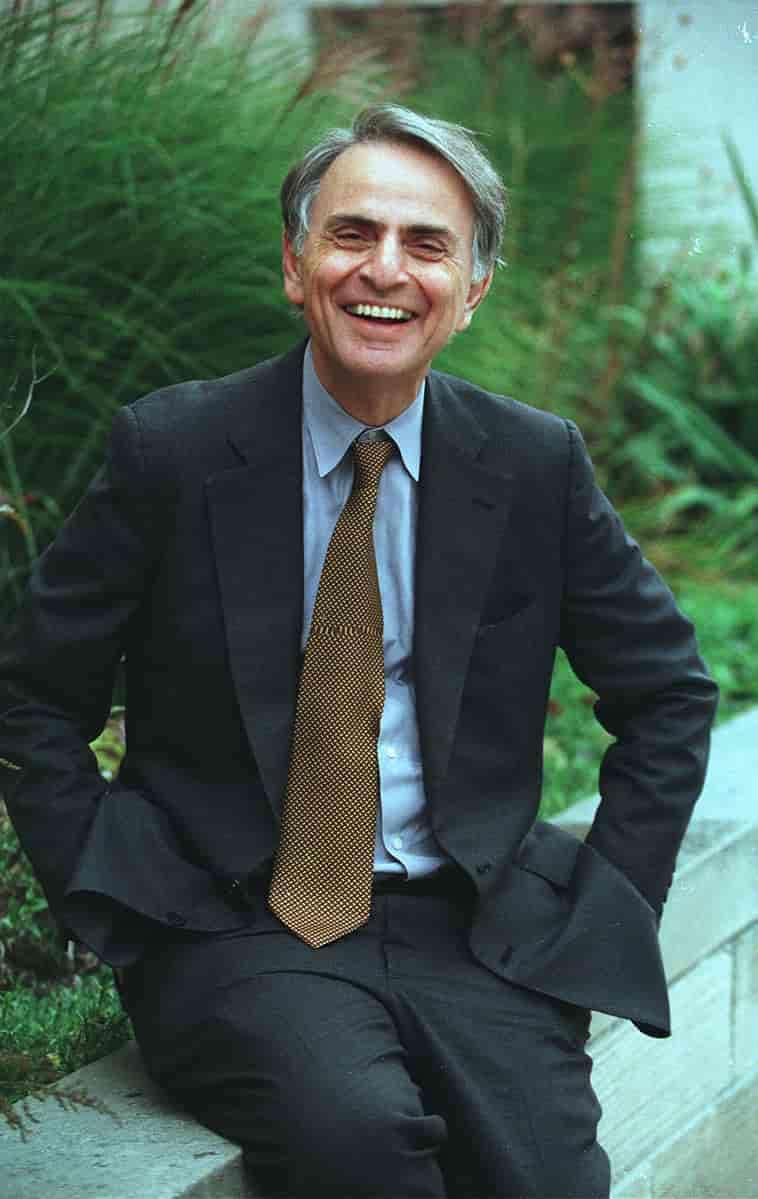
“Every kid starts out as a natural-born scientist, and then we beat it out of them. A few trickle through the system with their wonder and enthusiasm for science intact.”
— Carl Sagan
@Standplaats_KRK yeah… they are not shocked to hear I’m not a good plumber.
When you recognize contingency and randomness affect all decisions an outcomes you are beginning to be qualified to be a leader.
@lightweight @margreta Thanks for the exceptionally well written post.
Gary Ackerman
boosted

@margreta @garyackerman I wonder if the situation I characterise here: https://davelane.nz/explainer-digitech-risks-school-boards also applies where you are... I suspect it's fairly universal, and it's a very big elephant in the room.
@margreta @ChristophB I’ve been able to deflect attempts to implement it, but interest is high in a small group of faculty I support.
A union has voted “work to rule,” so folks have been declining invitations to committee meetings. While I’m no longer in the union, I fully support the decision.
I do have to convince colleagues that suggesting, “I’ll get your input in an individual meetings” is really not an appropriate response to those who skip extra committee work as part of collective action.
If you post, “research shows,” but you don’t reference it, I assume you are making it up.
“If I didn’t see it with my own eyes” is not the critical stance you think it is.
Worth a read! #Edtech has changed. I’m wondering what might be abandoned.
I ended up back in the classroom near the end of my k-12 career. I pushed back on all of the silly practices recommended by instructional coaches, and I shared research articles and my supporting my “push back.” They were happy to see me finally retire.
I met with a faculty member to “fix my gradebook” in the LMS. It became clear immediately the instructor had no idea what they was asking their students to to this term. No wonder students were confused.
The degree to which flexibility characterizes effective classrooms is overlooked in my opinion.
@daltonfunbar I’m going to try to get one of my ESL colleagues to join Mastodon and connect with you.
If you can’t tell me what’s wrong with your plan, I’m not going to trust what you say is right about it.
@daltonfunbar The correct answer to your question is “it depends.” If we really want students to “know” the matetial, they must experience it from different perspectives (eg. learn computations and problem solving and framing and application and questioning and analysis… in math). There is no one strategy that will work for each as the learning is different in each. In my experience the best classrooms are the one in which teaching varies.
- On the web:
- https://hackscience.education/
Director of Teaching and Learning Innovation at a community college in New England
Retired k-12 science/ math/ technology teacher/ technology integration specialist/ coordinator
Joined Nov 2022
