

James @baldengineer@qoto.org
- Website
- https://baldengineer.com
- YouTube
- https://youtube.com/addohms
Created AddOhms on YouTube.
Joined Apr 2022
James
boosted

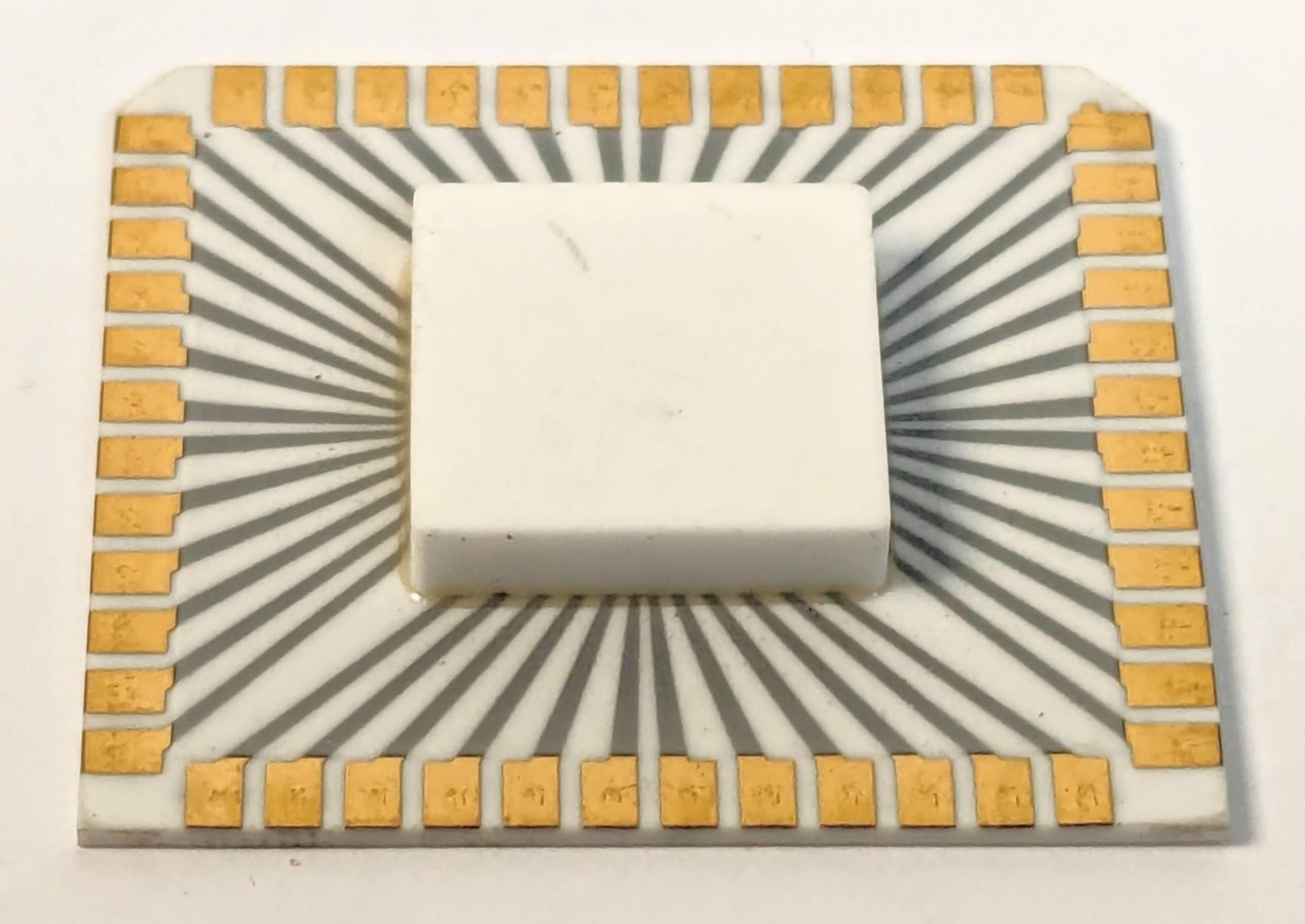
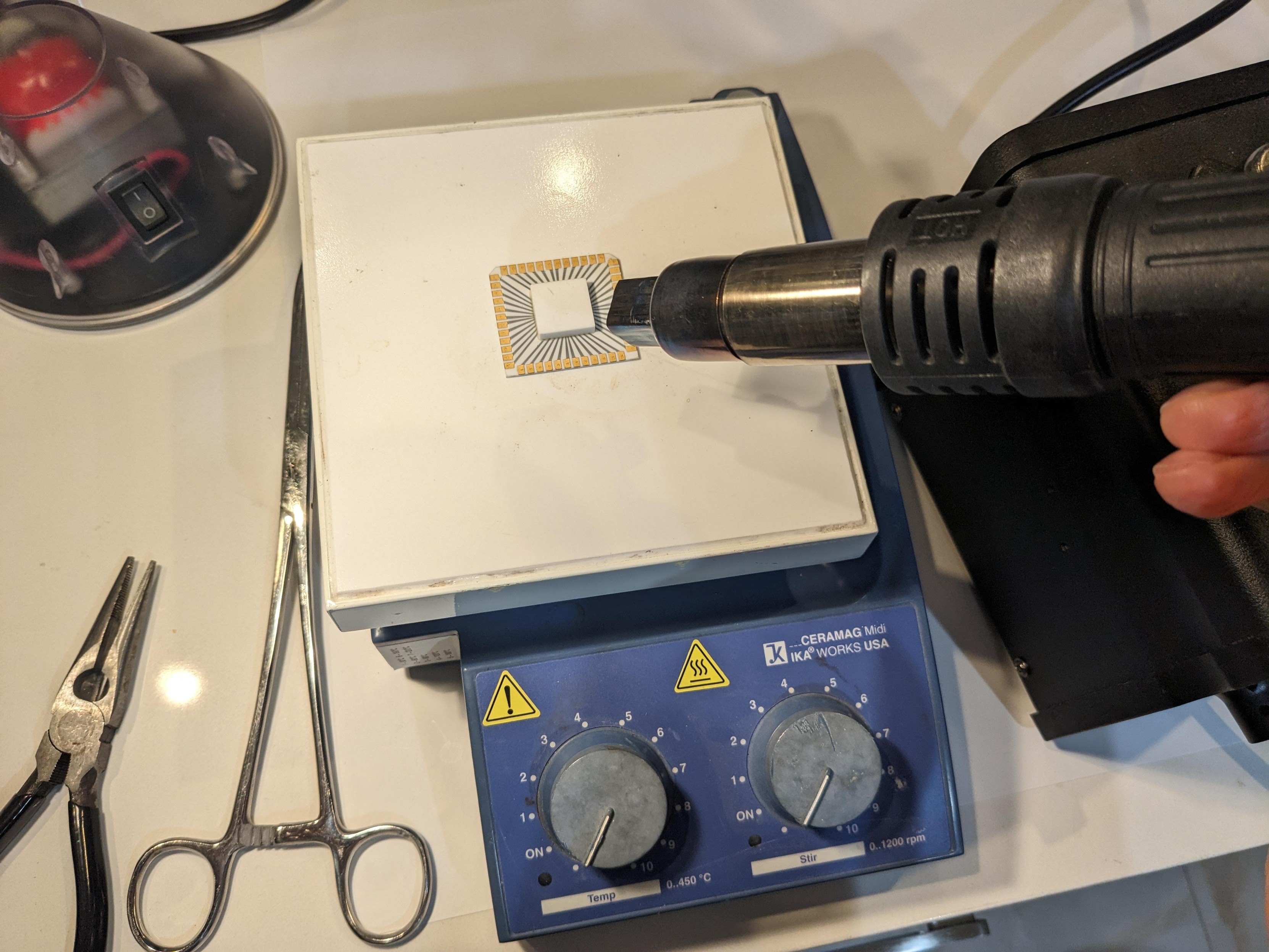
The package is unusual: the die is mounted on a flat ceramic substrate with a ceramic cap glued on. We heated the package to soften the glue. https://twitter.com/TubeTimeUS poked the cap with an X-Acto knife, but instead of sliding off, the cap violently flew off with a loud "pow"! 4/9
James
boosted

 🐙
🐙
#PicoGUS 2.0 is restocked on Tindie! The last restock lasted 2.5 hours, here's hoping this one lasts longer. https://www.tindie.com/products/polpo/picogus-sound-card-emulator-for-isa-retro-pcs/
Thur 12/14: Is this live stream when we finally finish the Apple II+ schematic in KiCad? There's only ONE way to find out... https://youtube.com/live/vYXDW7x8n9k
James
boosted
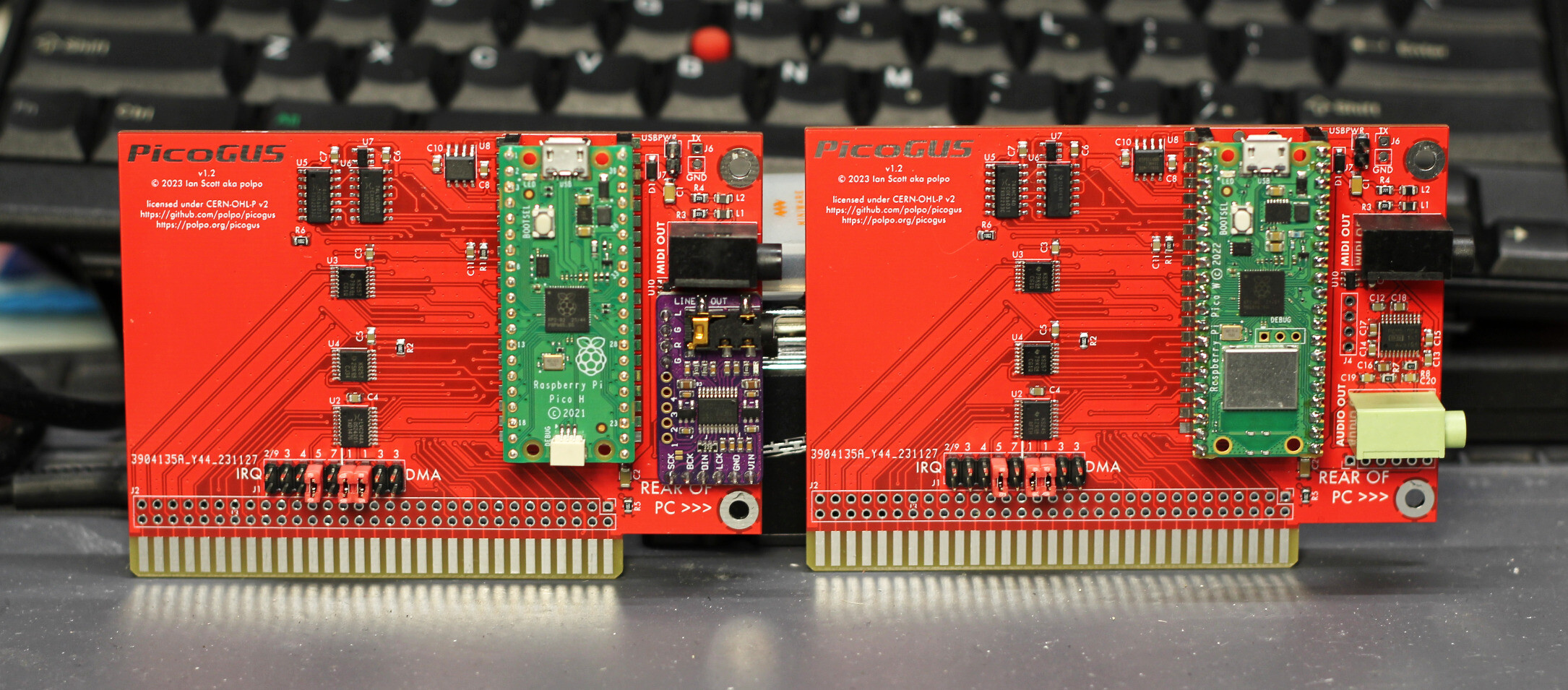
After last month's release of #PicoGUS 2.0, I've backported a lot of the improvements to the more DIY friendly original 1.x hardware line, and I've just released those as PicoGUS hardware v1.2. Major changes:
- Better reset stability
- Option for integrated DAC (instead of the sometimes flaky purple DAC module)
- Better fit in ISA slots
- Jumper to apply power to USB port so you can use joysticks (you still need an OTG adapter)
https://github.com/polpo/picogus/releases/tag/hw_v1.2
James
boosted


New episode is up! We chat with @baldengineer about MegaII reversing and more!
James
boosted

Why don't modern super computers look like this anymore?
Thur 11/30 Stream: Let's correct some things on the Mega IIe rev 3 design!
Mega IIe: An Apple IIe-compatible computer build around the Mega-II chip from an Apple IIGS.
I streamed this project for a couple of years.
Here's the final video.




This talk on restoring the Apollo Guidence Computer given by Marc is the one I looked most forward to… and it did not disappoint! https://youtube.com/curiousmarc #HackadaySupercon


Check out these “Robotic Surfaces” presented by Jesse Gonzalez. The bubbles are individually controlled. (You can see some demos here: https://gonzalez.ink). These are built with a layer-by-layer design with a PCB as a base. #HackadaySupercon

Pierce Nicols shows off Pathfinder: A robot prototype that sails. It started with laser cut plywood, 3d printed parts, and RC model components. Then we learned about what changed. #HackadaySupercon

Dr. Prutchi shows how armatures can participate pin deep space exploration by receiving signals from spacecraft. (and compares it to watching blades of grass grow, lol.) #hackadaysupercon

Oh yeah. THIS GUY talked about some weird Apple II project at #hackadaysupercon.

Nathan Jones is expertly explaining how last year’s #hackadaysupercon badge, the Voja4, is more than just a blinky toy—its a full computer.

@aleksorsist updates #hackadaysupercon on Thunderscope - a high-speed open-source oscilloscope that streams samples over Thunderbolt / USB Gen 3. Amazing work from an ever growing team of people and projects. https://github.com/EEVengers/ThunderScope


- Website
- https://baldengineer.com
- YouTube
- https://youtube.com/addohms
Created AddOhms on YouTube.
Joined Apr 2022
