

Martin Ruskov @mapto@qoto.org
- Games
- https://mapto.itch.io
- Others (+fedi)
- https://linktr.ee/mapto
Studying how people interact, in the past (#CulturalAnalytics) and today (#EdTech #Crowdsourcing). Researcher at @IslabUnimi, University of Milan. Bulgarian activist for legal reform with @pravosadiezv. I use dedicated accounts for different languages.
My profile is searchable with https://www.tootfinder.ch/
Joined Nov 2022
We are conducting a study where we need to keep audio recordings of participant evaluations. Can anyone suggest how the voices in this recordings could be distorted so they could be anonymised. I thought it is an easy problem, but similar questions on several platforms remain unanswered? #privacy #anonymity @security
Martin Ruskov
boosted

A Detective Sabotaged His Own Cases Because He Didn’t Like the Prosecutor. The #Police Department Did Nothing to Stop Him.
==
Across the country, police have undermined and resisted reform. To protest a prosecutor, one detective was willing to let #murder suspects walk free, even if he’d arrested them and believed that they should be behind bars.
Martin Ruskov
boosted

1/ Russia's Southern Military District is witnessing an explosion of murders committed by serving soldiers. Cases have increased at a rate that is unprecedented in recent years, up by more than 2,400 per cent in a single year. It's a direct result of the war in Ukraine. ⬇️
Martin Ruskov
boosted
Nice quote on LLM "AI" for coding:
> One of the things it does it regurgitate the old patterns you want to stop using and not the new stuff you do. Basically it's a copy pasta tech debt generator.
Martin Ruskov
boosted

Not quite what I expected the result of this decision to be
Martin Ruskov
boosted

Sumar: EU’s double standards in Israeli-Palestinian conflict are unacceptable https://www.euractiv.com/section/politics/news/sumar-eus-double-standards-in-israeli-palestinian-conflict-are-unacceptable/?utm_source=dlvr.it&utm_medium=mastodon
"China does more illegal fishing than any other country, according to the Global Initiative Against Transnational Organized Crime"
https://www.newyorker.com/magazine/2023/10/16/the-crimes-behind-the-seafood-you-eat
Martin Ruskov
boosted

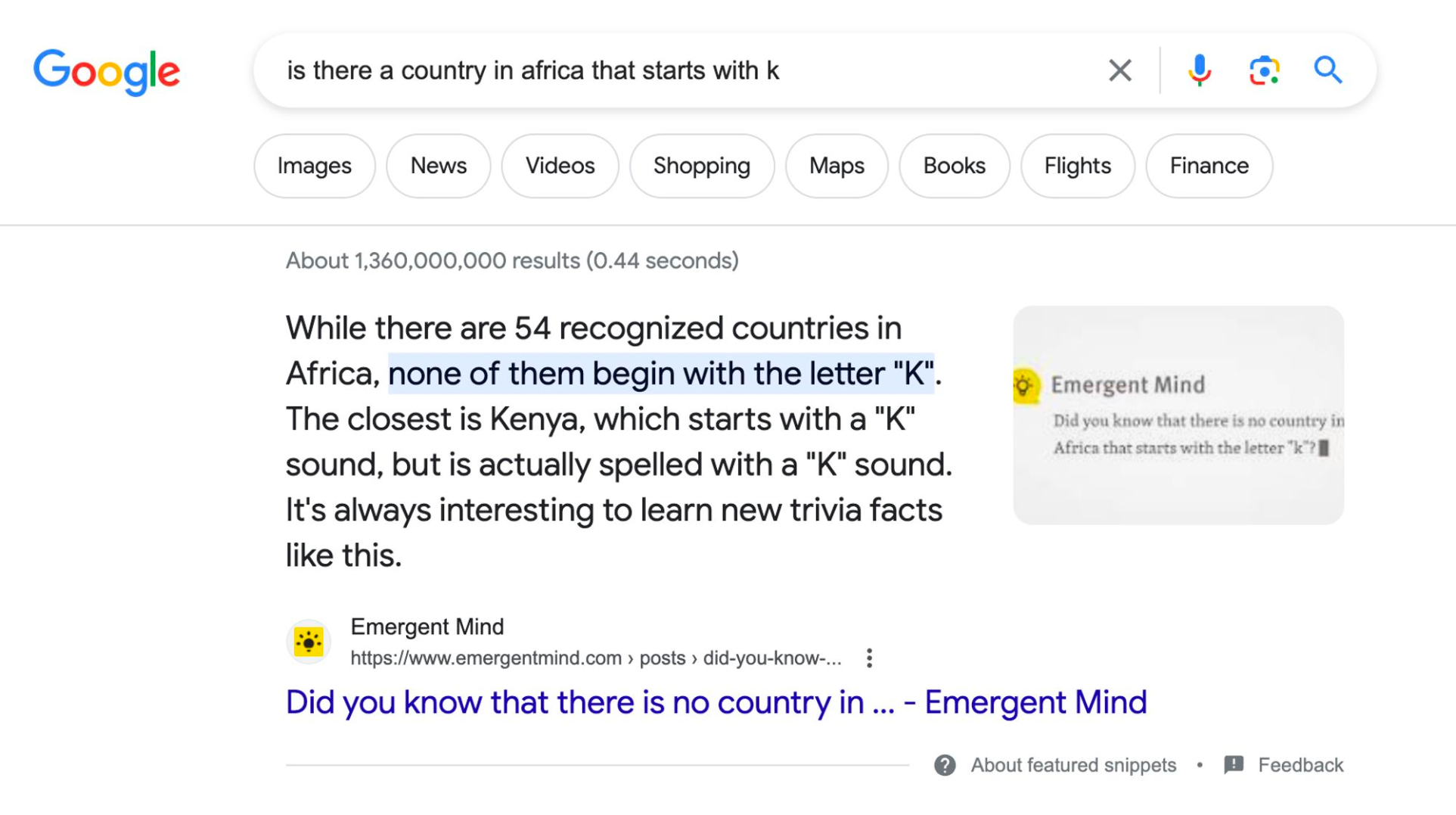
I wanted to consolidate a few thoughts on google, misinformation, large language models, enshittification, and the fate of the web as we know it.
It started when Carl Zimmer shared this remarkable example of Google being fooled by machine-generated bullshit online.
Martin Ruskov
boosted

"The analysis, conducted by researchers in the US and UK, found that the carbon footprint of each satellite constellation is potentially 14 to 21 times higher per internet subscriber than the emissions associated with land-based."
Martin Ruskov
boosted

If you're into #maps or #geography, this #FollowFriday is for you.
@coreyspowell — Award-winning science writer, co-founder of OpenMind magazine
@floledermann — Researching & teaching interactive maps at TU Wien
@GIS_Bandit — Product manager at #GIS software company Esri
@GregCocks — Researcher & spatial data scientist at U.S. Geological Survey
@History_of_Geology — A channel dedicated to the history of #earth sciences
@opencage — Provider of geocoding and geo-search using open data
Martin Ruskov
boosted

International mission finds that Turkey’s press freedom crisis has deepened
Journalists continue to face harassment, arbitrary imprisonment and prosecution. Those responsible for attacks and threats against the press enjoy alarming levels of impunity.
https://ifex.org/international-mission-finds-that-turkeys-press-freedom-crisis-has-deepened/
Martin Ruskov
boosted


Twitter/X is now removing headlines from links and Threads/Meta is prohibiting searches of public health terms like Covid and vaccines.
Billionaires are dangerously restricting people’s access to news.
Martin Ruskov
boosted

Martin Ruskov
boosted

Martin Ruskov
boosted

Turns out I like Mastodon #FullTextSearch even more than I thought I would. And I knew EXACTLY what was coming.
But it is another thing entirely to experience it in the wild. And I suspect it will get better the more opts ins join the party and as 4.2 rolls out.
Martin Ruskov
boosted

reX: Reverse engineering X's API:
Martin Ruskov
boosted

"Do the languages we speak shape the way we think? Do they merely express thoughts, or do the structures in languages (without our knowledge or consent) shape the very thoughts we wish to express?
Take "Humpty Dumpty sat on a...
Even this snippet of a nursery rhyme reveals how much languages can differ from one another. In English, we have to mark the verb for tense; in this case, we say "sat" rather than "sit." In Indonesian you need not (in fact, you can't) change the verb to mark tense.
In Russian, you would have to mark tense and also gender, changing the verb if Mrs. Dumpty did the sitting. You would also have to decide if the sitting event was completed or not. If our ovoid hero sat on the wall for the entire time he was meant to, it would be a different form of the verb than if, say, he had a great fall.
In Turkish, you would have to include in the verb how you acquired this information. For example, if you saw the chubby fellow on the wall with your own eyes, you'd use one form of the verb, but if you had simply read or heard about it, you'd use a different form.
Do English, Indonesian, Russian and Turkish speakers end up attending to, understanding, and remembering their experiences differently simply because they speak different languages?"
The answer is yes.
In a world of sharing ideas across languages, understanding how and why languages make us think, behave and reason differently from each other is increasingly important.
"All this new research shows us that the languages we speak not only reflect or express our thoughts, but also shape the very thoughts we wish to express.
The structures that exist in our languages profoundly shape how we construct reality, and help make us as smart and sophisticated as we are."
« Watch Lera Boroditsky's talk. Lera Boroditsky is an associate professor of cognitive science at University of California San Diego and editor in chief of Frontiers in Cultural Psychology. She previously served on the faculty at MIT and at Stanford. Her research is on the relationships between mind, world and language (or how humans get so smart).
She once used the Indonesian exclusive "we" correctly before breakfast and was proud of herself about it all day. »
https://www.ted.com/talks/lera_boroditsky_how_language_shapes_the_way_we_think
The quotes above are from her 2010 Wall Street Journal article Lost in Translation:
http://lera.ucsd.edu/papers/wsj.pdf
Also read:
The myth of language universals: language diversity and its importance for cognitive science
https://pubmed.ncbi.nlm.nih.gov/19857320/
Take "Humpty Dumpty sat on a...
Even this snippet of a nursery rhyme reveals how much languages can differ from one another. In English, we have to mark the verb for tense; in this case, we say "sat" rather than "sit." In Indonesian you need not (in fact, you can't) change the verb to mark tense.
In Russian, you would have to mark tense and also gender, changing the verb if Mrs. Dumpty did the sitting. You would also have to decide if the sitting event was completed or not. If our ovoid hero sat on the wall for the entire time he was meant to, it would be a different form of the verb than if, say, he had a great fall.
In Turkish, you would have to include in the verb how you acquired this information. For example, if you saw the chubby fellow on the wall with your own eyes, you'd use one form of the verb, but if you had simply read or heard about it, you'd use a different form.
Do English, Indonesian, Russian and Turkish speakers end up attending to, understanding, and remembering their experiences differently simply because they speak different languages?"
The answer is yes.
In a world of sharing ideas across languages, understanding how and why languages make us think, behave and reason differently from each other is increasingly important.
"All this new research shows us that the languages we speak not only reflect or express our thoughts, but also shape the very thoughts we wish to express.
The structures that exist in our languages profoundly shape how we construct reality, and help make us as smart and sophisticated as we are."
« Watch Lera Boroditsky's talk. Lera Boroditsky is an associate professor of cognitive science at University of California San Diego and editor in chief of Frontiers in Cultural Psychology. She previously served on the faculty at MIT and at Stanford. Her research is on the relationships between mind, world and language (or how humans get so smart).
She once used the Indonesian exclusive "we" correctly before breakfast and was proud of herself about it all day. »
https://www.ted.com/talks/lera_boroditsky_how_language_shapes_the_way_we_think
The quotes above are from her 2010 Wall Street Journal article Lost in Translation:
http://lera.ucsd.edu/papers/wsj.pdf
Also read:
The myth of language universals: language diversity and its importance for cognitive science
https://pubmed.ncbi.nlm.nih.gov/19857320/
Martin Ruskov
boosted

By 1920, the network of interurbans in the US was so dense that a determined commuter could hop interlinked streetcars from Waterville, Maine, to Sheboygan, Wisconsin—a journey of 1,000 miles—exclusively by electric trolley.
🚋🧵
Martin Ruskov
boosted

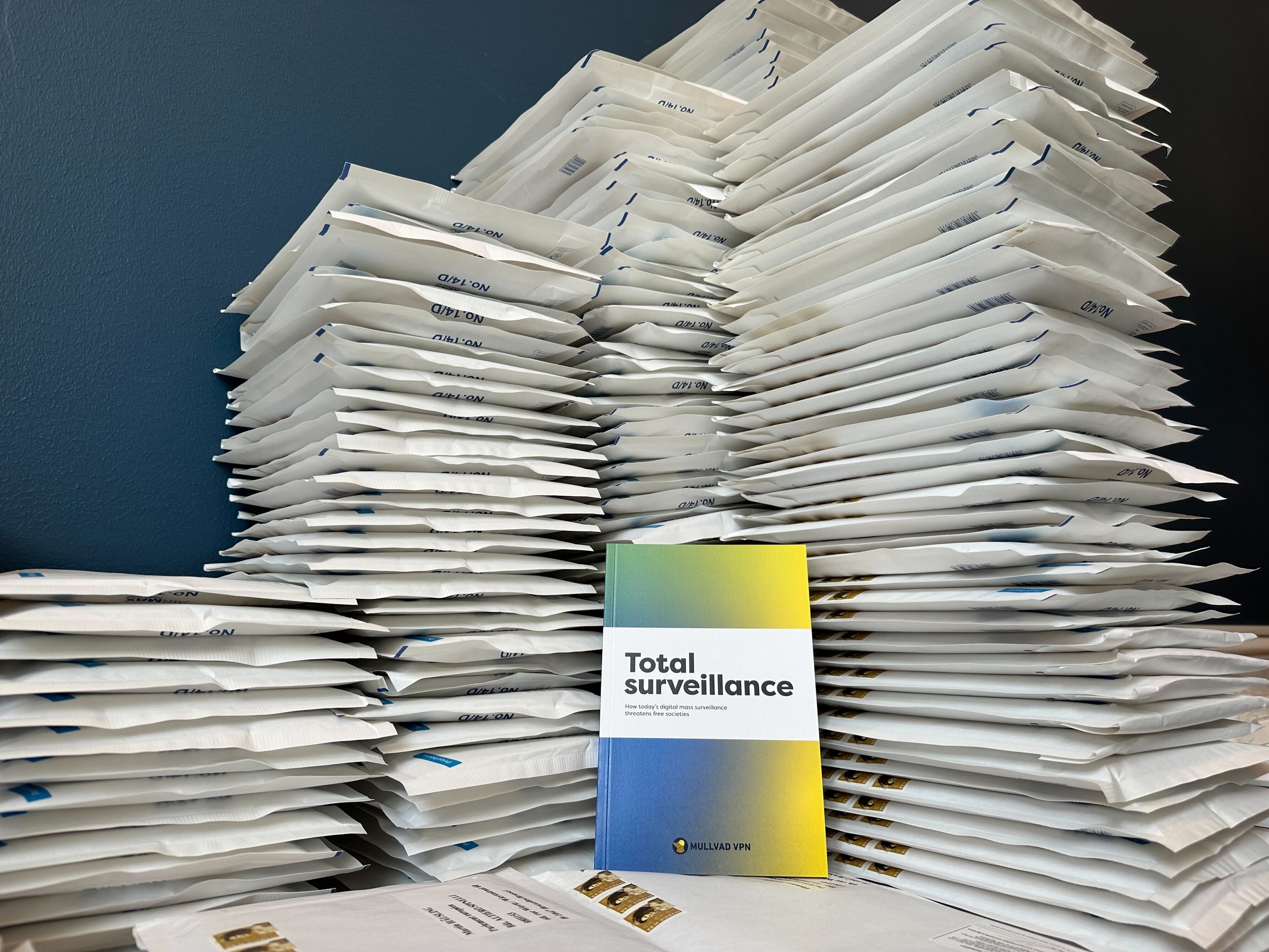
Today we sent 116 pages on mass surveillance and its consequences to each and every member of the EU Parliament.
This autumn, we urge them to vote for a free society. To say No to chat control.
Read all the articles at mullvad.net/why-privacy-matters
Martin Ruskov
boosted







- Games
- https://mapto.itch.io
- Others (+fedi)
- https://linktr.ee/mapto
Studying how people interact, in the past (#CulturalAnalytics) and today (#EdTech #Crowdsourcing). Researcher at @IslabUnimi, University of Milan. Bulgarian activist for legal reform with @pravosadiezv. I use dedicated accounts for different languages.
My profile is searchable with https://www.tootfinder.ch/
Joined Nov 2022
