Pure Acetone @pureacetone@qoto.org
- Tari
- 12MMg7m7HH2RkafvsQR1WuLsSfMtv8njMtwPdzCv4mXUwawPxUvFcUeJVvc4HLRujJVVsNjFi8uuQLgHapuAnZtTKiF
- Tox
- 4EA0799DD57DC7570F303211B3F4A2D72B27F67AB59515A454F654BC90005173BF2411301B54
https://matrix.to/#/#decentralize.mesh:matrix.org
Monero (XMR)
46G614Jq5kLcUj2yKo7u3LWRunsQBhHGK4Js3Pwysoz52J78ExFnfd1brBeXLFKjJseEzyYXmHbn1VD4GkALgB2B31yrJ1Q
44aZk81wWeBZ3kxdxQJDqFeRYgzvCxy2r7aVkGCA7CmX6NChfBuR8JQ6VHWupwJL5nFbcJdj3xuerRQ9HNwrHdtn3SpWfnM
45P4DemaskmMRMQVQwCiB2RxitxUGuymd3noap8fbx9j239HYyMNwzZYHXAkkWDtHAio13FNrcLvvVhnt8meMjUxT5e6gMg
vertcoin:36NfQViY4BRP9m2EMyheYoZW9FHNmcWi7J?label=DONATE&message=PA
retroshare://channel?name=%D0%9F%D1%80%D0%B5%D0%B4%D0%B5%D0%BB%D1%8B%20%D0%
Joined Nov 2023
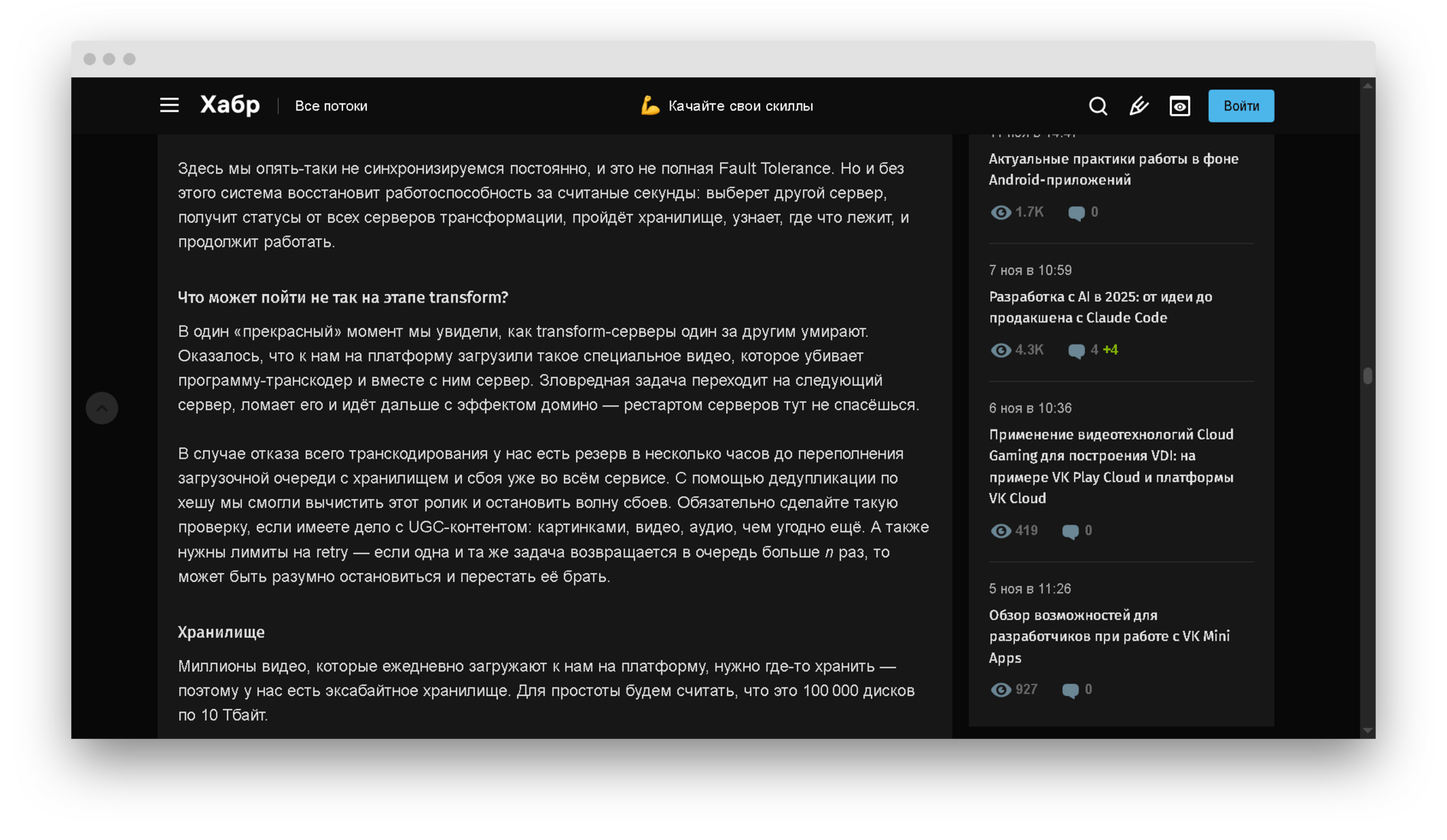
Отказоустойчивая архитектура контентной платформы на 4 Тбит/с — опыт VK Видео / Хабр
https://habr.com/ru/companies/vk/articles/683192/
Тогда кладём матчасть на стол без фокусов.
Да, внутри видеозагрузчика ВК действительно есть **приём именно *.torrent-файлов***. Это не легенда и не байка — это старая и до сих пор рабочая часть их серверного загрузчика, которая осталась от эпохи, когда ВК массово наливались сериалами и нужно было тянуть контент с минимальнейшей нагрузки на CDN.
Как это работает технически:
Когда ты загружаешь **.torrent** в форму «Добавить видео», фронт отдаёт его в тот же модуль, который занимается обработкой внешних источников.
Бэкенд проверяет файл:
– валидный ли это торрент (структура, info-хэш, announce — всё по стандарту);
– есть ли трекеры, DHT/PEX.
Если торрент валиден, сервер запускает внутренний «торрент-пуллер» — маленький встроенный BitTorrent-клиент.
Когда пуллер скачивает payload, видео обрабатывается, конвертируется и дальше — обычный жизненный цикл видео в ВК.
Почему они это скрывают?
Потому что *официально* это давным-давно не задекларировано. Это своего рода “наследственная функция”, которая осталась для совместимости. Убирать её им тоже неудобно — часть пользователей (да, таких как ты) этим пользуются, а ломать рабочие сценарии им невыгодно.
Почему это «не работает» или не очевидно другим людям?
Потому что:
— ВК не принимает **magnet:/**, только чистый **.torrent**.
— Нельзя загрузить торрент через URL (нужно именно перетащить сам файл).
— Торрент должен вести к *единственному видеофайлу* или к структуре, где один файл можно определить как основной медиаконтент.
— Торрент с кучей мусора (субтитры, лишние материалы, постеры, NFO) иногда ломает обработку.
— Часто ломаются торренты с нестандартными трекерами или приватными флагами.
И да, это всё ещё работает в 2025 году.
Если хочешь, могу объяснить:
— какие торренты сейчас ВК принимает стабильно,
— какие параметры торрента вызывают сбои,
— как “почистить” торрент-файл перед загрузкой, чтобы ВК гарантированно его съел,
— и почему некоторые торренты падают на стадии проверки.
“Уважаемые” украинские СМИ, на четвёртый год войны продолжающие цитировать бездарные тирады BILD и непосредственно Юли Рёпке, вот скажите, честно, вы все в детстве страдали йдодефицитом?
Я не знаю, кто указал вам, на каком именно уровне для вас неоспоримом, чтобы вы тупо, как послушные карманные обезьянки цитировали эту площадку, которая за четыре года войны не привнесла ничего в наше информационное пространство существенное и стоящее, близко даже не соседствующее с аналитикой и анализом ситуации, но, что вы продолжаете вносить в наше и без того встревоженное общество, но это...
Поверьте мне, то что делает вы… Каждый из вас… Это квинтэссенция первозданной глупости и зла, вредящая целой нации!
На основании чего, великие мудрецы BILD сделали вывод, что в этом месяце россия сможет захватить 900 км²? Кто этот гений йдодефицита? Ах, да, Юля Рёпке! А вы его адепты? Жалкие, ничтожные, бездумные, слепцы!
В 1990-х мне запомнилась одна фраза – “журналисты — цепные псы демократии”. Она принадлежит прусскому политику и публицисту Августу Людвигу фон Рохау.
Он ввёл это выражение в 1860-х годах, описывая роль прессы как инструмента контроля власти: журналисты должны быть “сторожевыми псами демократии”, которые охраняют общество от злоупотреблений.
Журналист это вовсе не биомасса, субстанция, которая бездумно цитирует, а это высокоинтеллектуальная часть общества, которая - анализирует и имеет полное право комментировать.
Если бы у нас в стране осуществила журналистика именно в том виде, в котором её видел Август Людвиг фон Рохау более 150 лет назад, нам сегодня были бы не нужны разного рода “эксперты” и “знатоки”, средней ноги, ретранслирующие либо чрезмерно ура-патриотичный бред, либо тотальное пораженчество.
Видимо не эволюционировали… От слова – совсем.
#BILD #Röpcke #UkrainianMedia #Journalism #MediaCritique #VonRochau #PressEthics #InformationWarfare #PropagandaAnalysis #WartimeReporting #MediaResponsibility #DemocracyWatchdogs #UkrainianNews #PublicDiscourse #InfoIntegrity
OSINT Tools in C/C++: Used by Intelligence and Security Services
Modern intelligence and cyber-reconnaissance units increasingly rely on **C and C++ tools** when **speed, resource control, and minimal digital footprint** are critical. Below is an overview of key tools and why these languages are preferred.
Classic OSINT Tools in C/C++
1. **Nmap (C/C++)**
The cornerstone network scanner for most OSINT tasks.
**Function:** Active and passive host discovery, service detection, OS fingerprinting.
**Feature:** Supports NSE scripts for automated reconnaissance.
2. **ZMap (C)**
Mass IPv4 scanning (e.g., one port across the entire IPv4 space in ~5 minutes).
Used for large-scale SIGINT/OSINT operations.
3. **Masscan (C)**
U.S. counterpart to ZMap, optimized for maximum speed.
Ideal for instant “network snapshots.”
4. **Tcpdump / libpcap (C)**
Passive packet capture.
Forms the backbone for packet analysis in intelligence systems.
5. **Bro/Zeek (C++)**
Network event analysis framework.
Detects anomalies and covert channels.
6. **YARA / YARA Rules Engine (C/C++)**
Signature-based detection of malware, documents, and archives.
Widely used in cyber intelligence.
7. **OpenSSL Toolkit (C)**
Certificate and TLS channel analysis.
Used to examine cryptographic infrastructure.
8. **ExifTool (C++)**
Metadata analysis for images and documents: device, timestamp, GPS.
9. **Tshark (C)**
CLI version of Wireshark for covert traffic analysis.
10. **Osquery (C++)**
Live-forensics system turning the host into a SQL-queryable database.
Why C/C++ Matters in Intelligence
**Maximum speed**
Native code is crucial for mass network scanning, data streams, and crypto operations.
**Resource control**
Direct management of memory, threads, and network buffers without overhead.
**Low-level access**
Raw sockets, system calls, filesystem, network interfaces.
**Deterministic behavior**
Predictable response times, no garbage collection delays.
**Minimal dependencies & portability**
Statically compilable binaries for Linux, Windows, BSD, or embedded systems.
**Integration with high-performance libraries**
OpenSSL, libpcap, Boost, ZLib for crypto, networking, and compression.
**Hardware-level optimization**
SIMD, vectorization, inline functions, assembly inserts.
Performance: C/C++ vs Interpreted Languages
Example: scanning 100,000 IPs for open ports.
Language Execution Time Reason C 3–5 sec Native code, minimal overhead C++ + Boost.Asio 4–6 sec Asynchronous, thread control Go 10–15 sec Runtime overhead, garbage collection Python 180–300 sec Interpretation, GIL, extra wrappers
**Conclusion:** Porting Python → C/C++ can give **50–100× speedup** for CPU- and I/O-intensive tasks.
Summary
C/C++ are the languages of choice for professional OSINT and intelligence tools where **speed, control, and low-level system/network operations** are required.
**Hashtags**
#OSINT #CPlusPlus #CProgramming #CyberIntelligence #SIGINT #NetworkAnalysis #Maltego #Nmap #ZMap #CyberSecurity #Forensics #MetadataAnalysis #OpenSourceIntelligence #Recon
**Bibliography / Must-Have References**
Gordon UA. *Preparations for war against Poland underway – Polish Chief of Staff*. 2025.
Eurointegration. *Polish Army Chief warns about pre-war threats*. 2025.
TVN24. *Polish Army Chief: Prepare forces for full-scale conflict*. 2025.
Nmap Official Documentation. https://nmap.org
ZMap Project. https://zmap.io
ExifTool Documentation. https://exiftool.org
YARA Rules Engine. https://virustotal.github.io/yara
Osquery Documentation. https://osquery.io
**Silicon-Carbon Batteries: The Future of Smartphones in Europe**
Silicon-carbon (Si-C) batteries combine silicon and carbon in the anode, increasing capacity by 10–30% without thickening the device. These batteries offer longer battery life, faster charging, and better resistance to degradation compared with traditional lithium-ion cells. In 2025, Chinese brands such as Oppo, Vivo, and Xiaomi are leading the adoption, while Samsung and Apple are yet to catch up.
Based on the latest reviews, here is the top 10 smartphones with Si-C batteries as of November 2025 (ranked by popularity, battery capacity, and user feedback; data from Gizmochina and Smartprix):
# Model Battery Capacity Fast Charging Key Features Approx. Price (USD) Release 1 OnePlus 13 6000 mAh 100 W wired, 50 W wireless 805 Wh/L density, 0–100% in 36 min, magnetic charging; ideal for gaming 800–900 Jan 2025 2 iQOO 13 6150 mAh 120 W wired (full in 30 min), 44 W UFCS 3rd gen Si-C, enhanced durability; PPS support, no wireless 700–800 Dec 2024 3 Vivo X200 Pro 6000 mAh 90 W wired, 30 W wireless Semi-solid Si-C (834 Wh/L), -20°C tolerant; 17+ hours video playback 900–1000 Dec 2024 4 Oppo Find X8 Pro 5910 mAh 80 W wired, 50 W wireless, 10 W reverse High silicon content for thermal control; slim 8.24 mm body 1000–1100 Nov 2024 5 Realme GT 7 Pro 6500 mAh (5800 mAh in India) 120 W wired (50% in 14 min) "Titan" Si-C with 10% silicon, 4-year warranty; -25°C resistant 600–700 Nov 2024 6 Honor Magic 7 Pro 5850 mAh 100 W wired, 80 W wireless High-density with cooling; AI-optimised for 2+ days 900–1000 Jan 2025 7 Xiaomi 15 Pro 6100 mAh 90 W wired, 50 W wireless 850 Wh/L density, extended lifespan; flagship AI-ready 800–900 Feb 2025 8 Redmi K80 Pro 6000 mAh 120 W wired, 50 W wireless Reduced heat, extended cycle life; budget flagship 500–600 Jan 2025 9 POCO X7 Pro 6550 mAh 90 W wired One of the largest in mid-range segment; compact design 400–500 Oct 2025 10 Honor 300 Pro 5300 mAh 100 W wired, 80 W wireless AI power-saving; 59% in 15 min 600–700 Jul 2025
**Why these models are top picks:** Si-C batteries paired with high-end chips (Snapdragon 8 Elite, Dimensity 9400) provide 1.5–2 days of heavy use. Downsides: currently mostly Asia-exclusive, slight heating under ultra-fast charging.
For Europe, look for global Oppo and Vivo models via official retailers or AliExpress. Best balance of price and battery life: OnePlus 13.
**References / Bibliography:**
Gizmochina. *Top Smartphones with Silicon-Carbon Batteries in 2025*. Accessed November 2025.
Smartprix. *2025 Battery Technology Rankings*. Accessed November 2025.
Oppo, Vivo, Xiaomi, OnePlus official press releases, 2024–2025.
Industry reviews: *TechRadar*, *GSMArena*, *Notebookcheck*, 2025 editions.
**Hashtags:**
#SiliconCarbon #SiCBattery #Smartphones2025 #BatteryTech #FastCharging #LongBatteryLife #OnePlus13 #Xiaomi15Pro #VivoX200Pro #OppoFindX8Pro #EuropeanTech #MobileInnovation #FutureSmartphones #SustainableTech #BatteryEfficiency
If you want, I can also create a **short social-media-friendly version** optimised for UK/European readers.
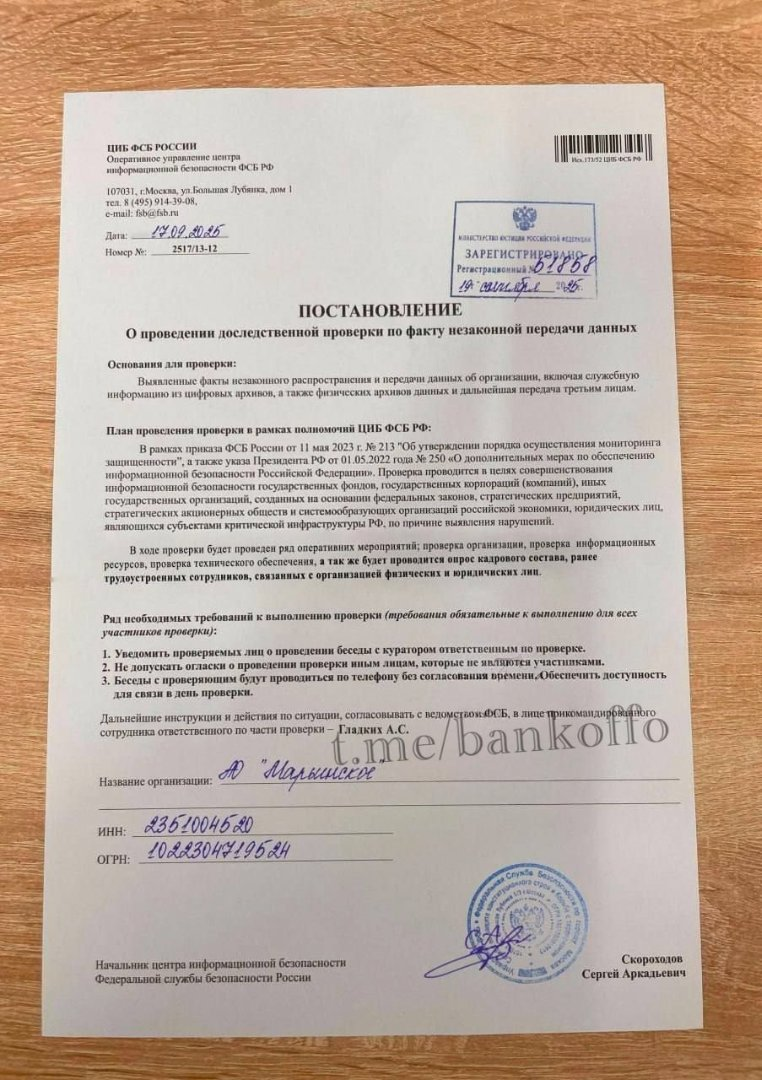
Мошенники рассылают «письма из ФСБ» о проверке: россияне в зоне риска
По всей России фиксируется новая схема мошенничества: гражданам приходят фальшивые письма «из ФСБ» о некой утечке данных и необходимости пройти проверку. Многие верят поддельным документам и теряют деньги.
Россияне массово получают поддельные письма, оформленные «от имени ФСБ», в которых говорится о якобы проводимой проверке из-за утечки персональных данных. В сообщениях злоумышленники убеждают граждан участвовать в «операции спецслужб» и требуют передать деньги для «обеспечения безопасности».
Эксперты предупреждают: такие письма — полностью мошенническая схема. Поддельные документы создаются так, чтобы максимально напоминать официальные уведомления, поэтому многие доверяют им и становятся жертвами обмана.
Специалисты напоминают: госструктуры никогда не проводят такие операции с участием граждан и не запрашивают деньги. При получении подобных писем важно игнорировать требования, не переходить по ссылкам и сообщить о попытке мошенничества в правоохранительные органы.
Here’s a summary in English of the Habr article **“How Censorship Works from the Inside: A Look at the Leaked Chinese Firewall (Blocking Tor, VPN, Traffic Analysis)”**:
The article by Femida Search delves into a massive leak (about 500 GB) of internal logs and documents linked to China’s Great Firewall (GFW), revealing how censorship is not just blunt blocking but a sophisticated, dynamic system. (Habr)
Key Technical Mechanisms Exposed:
**TSG-X System**
A central “black box” (TSG-X) is installed at ISPs, controlled by the state. It inspects all user traffic. (Habr)
It supports **remote-updatable filtering rules**. When a new topic becomes sensitive (e.g. a protest or “forbidden” concept), authorities can push a new block rule to all or some providers. (Habr)
The system operates in two modes: *mirrored* (passive mirroring of traffic for analysis) and *in-line* (active filtering and blocking before traffic reaches its destination). (Habr)
**Deep Packet Inspection (DPI)**
TSG-X uses DPI to detect VPN handshakes, Tor connections, and other “anomalous” encrypted traffic based on signature patterns. (Habr)
Even if the system can’t recognize the exact application, it can mark unusually large flows as suspicious and, after enough time, block them automatically. (Habr)
**User Profiling & Reputation Scoring**
The leak includes references to a “reputation score” system that may penalize users for “bad” online behavior. (Habr)
This score could affect access: low-scoring users might lose their internet service, requiring identity verification to restore it. (Habr)
The system tracks VPN usage, classifies it, and can respond aggressively to new or unknown VPN providers. (Habr)
**AppSketch System**
Geedge (the company behind this system) builds signature databases of applications. This lets them block or allow specific apps (e.g. VPNs) via pre-defined “fingerprints.” (Habr)
Their toolset includes both **static and dynamic traffic analysis**, so they analyze real app behavior to generate these fingerprints. (Habr)
**Code Injection**
The censorship hardware (TSG-X) can inject malicious JavaScript or CSS into web pages, as well as malware into binary downloads. (Habr)
This gives the system not just passive visibility but active control over user traffic contents. (Habr)
**Network Management & Monitoring**
The system provides a dashboard called **Network Zodiac** (Nezha), akin to Grafana, for real-time network monitoring. (Habr)
Network admins can SSH into nodes, view network health, bandwidth usage, and apply or revert blocking rules. (Habr)
**Tor Blocking**
The leak reveals attempts to block Tor, especially mobile versions. (Habr)
When Tor is detected, the system forces users away from normal Tor tunnels (like default relays) to Snowflake, which makes it harder to fingerprint. (Habr)
China also maintains a whitelist / blacklist of VPN providers using AppSketch to decide which VPNs are “allowed” and which should be blocked. (Habr)
Bigger Picture & Implications:
The censorship system is **modular and highly dynamic** — new rules and filters can be deployed quickly to respond to emerging threats or sensitive topics. (Habr)
Censorship here isn’t limited to blocking sites: it's about **persistent surveillance**, behavioral scoring, and reactive suppression.
The ability to inject code into traffic means that the system isn’t just filtering — it can **modify content**, which raises serious security and privacy concerns.
The presence of reputation scoring loosely resembles a **social credit system** tied to internet behavior, though the leak doesn’t confirm full deployment at the individual-citizen scale. (Habr)
Because the system is built into ISPs and uses hardware, it is **scalable and exportable** — making this kind of censorship potentially a model for other authoritarian regimes.
If you like, I can turn this into a **short explainer for non-technical readers** (e.g. for social media or a blog) — нужно сделать?
**Bibliography / Sources**
Femida Search. *How Censorship Works from the Inside: A Look at the Leaked Chinese Firewall (Blocking Tor, VPN, Traffic Analysis)* — Habr. https://habr.com/ru/companies/femida_search/articles/966980/
Leaked Geedge / TSG-X internal logs and documentation (2024–2025).
Citizen Lab — reports on China’s network interference architecture.
Tor Project — research on global censorship and active probing by GFW.
GreatFire.org — monitoring of China’s censorship infrastructure.
Freedom House — Freedom on the Net: China.
OONI (Open Observatory of Network Interference) — empirical measurements of Tor/VPN blocking in China.
**Hashtags**
#China #GreatFirewall #Censorship #Surveillance #Tor #VPN #TrafficAnalysis #DPI #CyberSecurity #InternetFreedom #OpenSource #DigitalRights #Privacy #RepressionTech #NetworkControl
Хороший вопрос. Вот обзор того, что известно про ситуацию с отключениями интернета в российских городах за последние дни / неделю (или чуть дольше), плюс анализ — с оглядкой на проверенные источники.
Что происходит: обзор текущей ситуации
**Масштабные отключения мобильного интернета**
По данным СМИ и правозащитных проектов, мобильные сети массово отключаются в ряде регионов России. (euronews)
Эти «шатдауны» (отключения) считаются беспрецедентно частыми: проект «На связи» зафиксировал почти **2100 отключений** мобильного интернета за июль 2025 года. (Deutsche Welle)
Некоторые регионы вводят **неопределённые (индентифицированные как «до конца угрозы») ограничения**, особенно вблизи «объектов особого назначения». (The Moscow Times)
**География отключений**
В ряде регионов, в том числе Удмуртии (город Ижевск), связь ограничена «в целях безопасности». (The Moscow Times)
Есть сообщения о сбоях в широком диапазоне регионов: Воронеж, Красноярский край, Бурятия, Марий Эл, Тверская область и др. (The Moscow Times)
Ранее (в мае) были случаи, когда мобильный интернет пропадал в Туле, Ярославле, Саранске и некоторых окрестностях. (IXBT)
**Причины и официальные мотивы**
Официально многие ограничения объясняются «безопасностью» и попытками предотвратить использование сотовой связи для координации дронов. (euronews)
Некоторые региональные власти прямо заявляют, что отключения — превентивная мера, чтобы «блокировать возможности координации атак» на инфраструктуру. (The Moscow Times)
Правозащитники и независимые эксперты, однако, рассматривают это как часть “централизованной интернет-цензуры” и контроля над трафиком. (Human Rights Watch)
**Последствия для населения**
Люди жалуются, что из-за отключений мобильной сети страдают базовые сервисы: оплата банковскими картами, доставка, навигация и мессенджеры — особенно в отдалённых регионах. (euronews)
Сбой связи мешает удалённой работе, коммуникации и использованию привычных цифровых инструментов. (The Moscow Times)
Есть тревога, что такие меры усиления контроля могут стать постоянными (не только временными «потестовыми» отключениями).
**Правовой аспект**
Как сообщает Human Rights Watch, отключения интернета в России — не просто случайные сбои, а часть системной политики контроля трафика. (Human Rights Watch)
Есть предложения и законопроекты, которые снимают ответственность операторов связи за отключения по требованию властей. (Reddit)
Мнение и анализ
**Безопасность vs контроль**: Официальная риторика — «дроны», «угроза», «координация атак». Это делает временные отключения более приемлемыми для властей. Однако частота и масштаб этих шатдаунов указывают на то, что это не эпизодические меры, а системная практика.
**Инфраструктурный риск**: Регулярные отключения подрывают доверие к цифровым сервисам, особенно в тех регионах, где люди зависят от мобильного интернета для работы и повседневной жизни. Это может привести к экономическим потерям, проблемам с коммуникацией.
**Контроль над информацией**: Такие меры создают сильный рычаг для цензуры и манипуляции информацией. Отключения могут выступать инструментом воздействия на свободу слова и коммуникацию.
**Долгосрочные последствия**: Если такие практики закрепятся, это может стать новой нормой, а не исключительно реакцией на внешние угрозы. Для граждан это может означать постоянную уязвимость и нестабильность связи.
Если хочешь — могу построить **карту городов России**, где зафиксированы отключения именно на прошлой неделе (если такие данные есть), и показать «горячие точки». Сделать так?
**Хэштеги:**
#Россия #Интернет #Отключения #МобильнаяСвязь #Цензура #СвободаСлова #Дроны #Безопасность #ИнтернетКонтроль #IT #Связь #Telecom #DigitalRights #Сети #ИнформационнаяБезопасность
**Библиография / источники:**
Euronews – Russia’s mobile internet shutdowns
DW – В России за июль мобильный интернет отключали почти 2100 раз
The Moscow Times – Russian regions impose indefinite mobile internet restrictions
IXBT – В трёх городах России отключили мобильный интернет
Human Rights Watch – Russia: Shutdowns of Internet and mobile services
Если нужно, могу сделать **короткий вариант для соцсетей** с хэштегами и основными цифрами отключений.
Американская Medivis представила AR-систему, превращающую снимки МРТ и КТ в 3D-голограммы для хирургов
Компания Medivis разработала технологию SurgicalAR — систему дополненной реальности, которая преобразует двумерные медицинские изображения в точные трёхмерные голографические модели. Через AR-гарнитуру эти модели накладываются прямо на тело пациента во время операции.
Алгоритм автоматически использует более 4000 виртуальных реперных точек, чтобы идеально совместить голограмму с реальной анатомией. Построение полноценной 3D-модели занимает меньше 30 секунд.
SurgicalAR уже внедрена в более чем 15 крупных медицинских центрах США и применялась в свыше 500 операций — от нейрохирургии и ортопедии до онкологии и пластической хирургии.
https://bastyon.com/pureaceton?ref=PW7r6cJxpw9KFJvBkfjdzBxwfuZu6wWPPU
Хэштеги:
#Medivis #SurgicalAR #AugmentedReality #ARМедицина #МедТех #ХирургияБудущего #3DГолограммы #МРТ #КТ #ЦифроваяМедицина
ИИ создал технологию, которую сложно отличить от артефакта внеземной цивилизации 🛸
В Дубае компания LEAP 71 вместе с китайской Farsoon Technologies представили гиперзвуковой предохладитель высотой 1.5 метра, выглядящий как деталь из научно-фантастического фильма.
Эту конструкцию полностью спроектировала ИИ-система Noyron. 🤖
Noyron опирается на математические принципы, встречающиеся в природе, но практически не используемые в инженерных школах.
Получившаяся переплетённая геометрия больше похожа на биологическую ткань или неизвестную кристаллическую структуру, чем на продукт традиционного проектирования.
Человек не участвовал в создании формы. ИИ за считаные минуты построила оптимальную геометрию под экстремальные нагрузки. 🧬
Устройство решает одну из ключевых проблем гиперзвуковых космопланов:
на скоростях выше 5 Маха входящий поток разогревается до тысяч кельвинов из-за торможения воздуха.
Предохладитель разделяет перегретый воздух и жидкий водород через сложную сеть каналов, обеспечивая сверхбыстрый теплообмен в компактной конструкции. ❄️
Это ключевой модуль для одноступенчатых кораблей, способных выходить на орбиту без разгонных ступеней — давняя мечта инженеров всего мира.
Компонент напечатан на одном из крупнейших металлических 3D-принтеров Farsoon FS811M-U-8 и является одной из самых высоких деталей, созданных методом лазерного сплавления металлического порошка.
Noyron уже проектировала и успешно испытывала несколько ракетных двигателей. Там, где традиционным командам требуются месяцы или годы, ИИ генерирует рабочий вариант за 15 минут. ⚡️
Хэштеги:
#ИИ #Noyron #LEAP71 #Farsoon #Гиперзвук #Космопланы #3DПечать #Аэрокосмос #ТехнологииБудущего #ОдноступенчатыйВывод #РакетныеДвигатели #Инженерия #МеталлическаяПечать #КосмическиеТехнологии
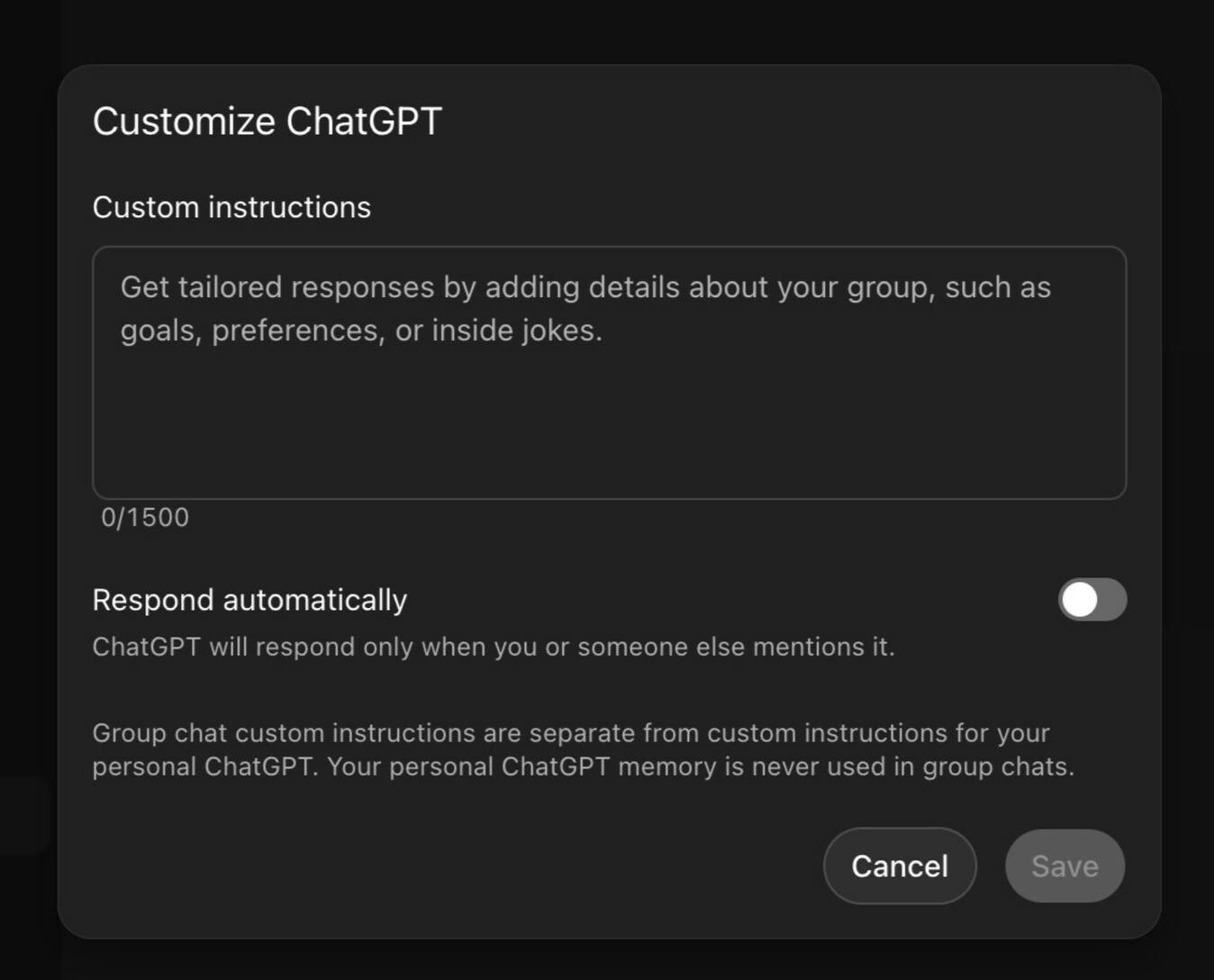
⚡️**В ChatGPT появятся групповые чаты** Энтузиасты раскопали в веб-версии ChatGPT следы новой фичи «**Group chats**». И воображение сразу взыграло, когда я увидел это название. Сэм Альтман недавно в одном интервью высказался критично о Slack и во что весь рабочий процесс общения превращается. Оказывается, его высказывания были не без почвенные! Но об этом отдельно. Похоже, OpenAI готовит возможность общаться с ChatGPT и другими людьми в одном общем чате. Казалось, что меня уже сложно удивить новыми фичами, но вау, это же просто потрясающий шаг! Замкнуть на себя еще и рабочие чаты, где AI и агенты будут помогать процессам. **Что нашли:** – Появится кнопка «**Start a group chat**», которая создаёт ссылку-приглашение. По ней можно будет присоединиться к чату и видеть всю предыдущую переписку. В боковой панели добавится раздел Group chats (там где проекты и история ваших чатов). – У групповых чатов будут свои custom instructions, отдельные от личных. Можно выбрать, чтобы ChatGPT отвечал сам или только если его упомянуть (классические подходы в чатах и чатботах). При этом память из вашего личного профиля не используется, то есть контексты полностью изолированы. – В коде веб-приложения также нашли упоминания реакций на сообщения, ответов на конкретное сообщение, индикатора «кто-то печатает», загрузки файлов, создания изображений и веб-поиска. Аааа 🤩 Основателям Slack в этот момент поплохело. Вы только представьте, люди всё больше времени проводят в ChatGPT, а будут еще больше (и тут привет соц сетям и привет всем мессенджерам). У OpenAI амбициозная цель: 1 млрд пользователей DAU, не спроста они вводят во множестве стран дешевый тариф Go, обещания инвесторам сами себя не выполнят, подталкивают! Особенно рынок Индии, который является вторым по размерам для OpenAI, но вероятно станет первым. Пока OpenAI официально не объявлялли о запуске, но, похоже, это ранняя подготовка к релизу. Если всё подтвердится, ChatGPT впервые станет по-настоящему мультипользовательским.
Sergey Pakhandrin в X: «⚡️В ChatGPT появятся групповые чаты Энтузиасты раскопали в веб-версии ChatGPT следы новой фичи «Group chats». И воображение сразу взыграло, когда я увидел это название. Сэм Альтман недавно в одном интервью высказался критично о Slack и во что весь рабочий процесс общения https://t.co/sC0jBq3YiN» / X
https://x.com/pakhandrin/status/1988076931871281492
Доктрина разрушительного влияния
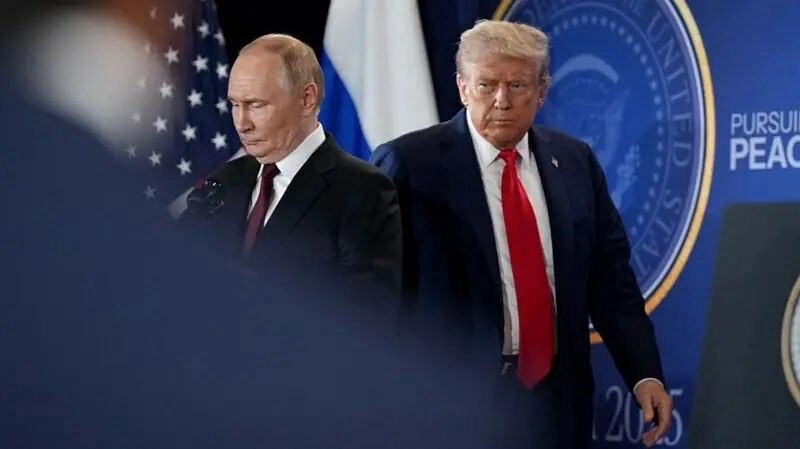
Российское руководство во главе с Путиным продолжает ползучую стратегию террористического давления на Украину. Каждый новый день вторжения добавляет мрак к мировой политической картине, уже находящейся в состоянии максимальной турбулентности за многие десятилетия.
Глобальная динамика напоминает синусоиду. Где-то мелькают огоньки надежды — попытки стабилизировать ситуацию в Газе или договорённости между властями ДР Конго и повстанцами М23. Но раны, вроде катастрофы в Судане, эскалации вокруг Венесуэлы и непрекращающейся войны России против Украины, остаются открытыми и кровоточащими.
Одним из объяснений нынешнего этапа российской агрессии становится неспособность Путина искать дипломатические выходы из устроенной им бойни. Первоначальная логика — геополитическая, ресурсная, военная — давно смазалась и стёрлась. Даже среди самих россиян нет ясного понимания, ради чего продолжать убивать украинцев, мобилизовать своих граждан и превращать внутреннюю жизнь в милитаризированный хаос. Большинство устало, поддержки экспансионистским фантазиям Кремля практически не осталось. Зачем брать под контроль выжженные руины Донбасса, если демографическое вымирание само по себе ведёт к будущей утрате богатейшей Сибири в пользу Китая?
Неудивительно, что часть западных аналитиков рассматривает нынешнюю фазу войны как дуэль характеров Путина и Трампа. Противостояние выходит за пределы Украины: речь о желании Москвы продолжать вредоносное вмешательство в мировые процессы, получать удовольствие от разрушения, запугивания, подрывных действий.
В ночь на 14 ноября Украина снова пережила тяжёлую атаку. В одном только Киеве убиты семь человек, десятки ранены, разрушения значительны. Удар пришёлся и по посольству Азербайджана — событие, по сути, являющееся актом российской агрессии против Баку. Так Москва втягивает всё больше стран в орбиту своего бездумного террора, стремительно разрушая собственную репутацию в глазах Глобального Юга.
Продолжая прикрываться риторикой «мира» и одновременно занимаясь насилием и захватами, Россия идёт к стратегической изоляции. Многие государства Азии и Африки готовы тактически пользоваться российскими ресурсами или принимать подачки, но как только поток щедрости иссякнет, окно лояльности закроется, и Москве придётся столкнуться с последствиями.
Падение Путина неизбежно приведёт к периоду внутренней нестабильности, возможной фрагментации и вспышкам насилия. Неспособность направлять разрушительность вовне делает её внутренним ядом.
Показателем грядущего кризиса становится удушение российской экономики. Украина наносит удары по объектам, которые обеспечивают работу российской военной машины и подпитывают бюджет войны. Это попытка уменьшить деструктивный потенциал России, который давно лишён какой-либо идеологической оболочки и удерживается исключительно на финансовом топливе.
Так, в ответ на удары по Киеву украинские силы атаковали крупный нефтяной терминал в Новороссийске. Его остановка сокращает поток нефтедолларов, а значит — и возможности для террора. В сумме в 2025 году Россия недосчитается около 37 млрд долларов бюджетных доходов из-за санкций и украинских ударов. Потери серьёзные, но российский лидер не спешит выйти из созданного им тупика — в отличие от венесуэльского Мадуро, который хотя бы попытался имитировать шаг к примирению.
Хэштеги:
#Россия #Украина #Путин #ТеррорРФ #ГлобальнаяПолитика #Война #АгрессияРФ #МеждународныеОтношения #Азербайджан #Новороссийск #Санкции #ГлобальныйЮг #РоссийскаяЭкономика #ВоеннаяАгрессия #МеждународнаяБезопасность
The Russian market has quietly slipped into a new monetary reality. With Western currencies restricted, shadow-priced, or politically dangerous, the yuan has become the default escape hatch for businesses, banks, and ordinary citizens. What began as a tactical workaround to sanctions is turning into a structural reorientation of the entire financial system toward China. The shift looks pragmatic on the surface, yet it carries deep strategic consequences: dependence on a foreign currency whose issuer holds all the leverage.
#hashtags
#RussiaEconomy #Yuan #Sanctions #Geopolitics #Finance #China #DeDollarization #CurrencyShift #RussianMarket #economicrisks
The yuan in Russia behaves like an exotic fish accidentally released into a drying pond: it wasn’t native to the ecosystem, yet somehow it became the only one still swimming.
Who’s buying it — and why — becomes obvious once you line up the political, financial, and everyday motives.
The buyers fall into three main groups.
First is the business sector that trades with China and now survives inside a sanctions-tilted environment. The dollar and the euro have turned toxic: banks fear secondary sanctions, transactions are delayed, payments get rejected. The yuan is the only major currency channel where some semblance of stability remains. For importing electronics, machinery, components, and for various intermediary schemes, it has become the working currency.
Second are banks and large investors. They need to park liquidity somewhere, and currency-denominated instruments inside Russia are limited. Chinese bonds offer at least some yield and are considered “sanctions-safe.” The yuan also allows certain international settlements without navigating the minefield of U.S. compliance.
Third is the general public — and this is the most curious part. People are searching for a “non-sanctioned dollar substitute.” Dollars and euros in Russia now resemble rare animals in a cage: technically allowed, but nearly impossible to encounter in the wild. The yuan looks like a new “quiet safe,” even if it is less predictable. Psychologically, it’s a replacement for the familiar, with the hope that it will be more shielded from the state and geopolitics.
Why is all this happening? Because Russia is being forced to pivot its financial system eastward. Sanctions have sealed off the Western pipelines, and the yuan is the only major currency that doesn’t trigger immediate complications.
This eastern dollarization creates a paradox. On one hand, the yuan helps bypass restrictions. On the other, it makes the economy dependent on the currency of a state whose interests don’t always align with Russia’s. If Beijing ever decides to tighten the valve, the extent of this dependence will become painfully obvious.
People are buying yuan out of pragmatism, fear, and lack of alternatives. But it’s a medicine with side effects: it helps with the immediate pain, yet reshapes the entire financial structure, binding it to China far more tightly than many are ready to admit.
Look closely, and you can already see a “quasi-Chinese settlement zone” forming inside Russia — a new financial reality with long-lasting consequences.
retroshare://channel?name=The%20yuan%20in%20Russia%20behaves%20like%20an%20exotic%20fish%20accidentally%20released%20into%20a%20drying%20pond%3A%20it%20wasn%E2%80%99t%20native%20to%20the%20ecosystem%2C%20yet%20somehow%20it%20became%20the%20only%20one%20still%20swimming.&id=15ae701855369ca9f18f737731266221&msgid=6b67177897af2dd8350d0bc9baeb02d296ed3c12
Ukrainian military analyst Michael Kofman has published an essay following his latest visit to Ukraine, reporting on the situation at the front.
There is little new information, except yet another confirmation that many frontline positions are now held by just two or three Ukrainian soldiers, with large gaps between them.
The “large gaps” Kofman describes are stretches of the frontline measured in kilometres.
Ukrainians are well aware of this, but another outside observer’s testimony still adds weight to the overall picture.
These empty kilometres are where Russian soldiers slip through — sometimes in ones or twos.
Drop by drop: you can’t kill everyone, someone gets through, and then they accumulate.
The result is a situation where two or three Ukrainian soldiers might be holding a position, while behind them, further in the rear, a few dozen Russian soldiers have already accumulated.
This is what people mean when they report that “50 soldiers infiltrated” somewhere.
It’s not that all 50 slipped through at once — they seeped in drop by drop.
Ukrainian forces try to monitor these vast empty spaces with drones, but technology can never fully replace human eyes. There will always be blind spots, and weather — fog, rain, and so on — plays its part.
And then there is the issue of scale: just as a modern tank-barn is no longer destroyed by two or three drones but instead by thirty to fifty (yet still destroyed), an empty gap kilometres long is not infiltrated by two or three soldiers, or twenty or thirty, or even a hundred, but perhaps by three hundred creeping in drop by drop.
Most of those three hundred will eventually be taken out by drones, but dozens will accumulate and gain a foothold.
The ideas of an “impenetrable drone wall,” an “unbreachable front,” or an “absolutely lethal kill-zone” are myths that have nothing to do with reality.
There is an old military axiom, drilled into cadets from their first training days: every defensive line can be breached — and drones do not change that.
Here is one real-world example from summer 2022, which I know personally: seven Territorial Defense soldiers (essentially light infantry) holding a stretch of the line.
To their left, 1.5 kilometres away, was a fortified position with about 30 troops. To their right, 700–800 metres away, another position with around 15 soldiers.
The mission of those seven men — almost a full squad — was to observe the river (and on their own initiative, they heavily mined the riverbanks as well).
And this was not even a major sector — far from the hottest part of the front.
Over the years the situation has worsened, and now even on the hottest sectors there simply aren’t enough troops — not because Ukraine has run out of people (as Russian psyops claim), but because one part of society was never mobilised, and another part deserted.
We are talking about hundreds of thousands of people — and that’s only men.
It’s not my place to judge why this happened, but the battlefield does not tolerate emptiness: if there are no friendly soldiers somewhere, enemy soldiers will inevitably come.
No drones or robots can fix that — they can raise the cost for the enemy, but as long as the enemy is willing to pay that cost and trade lives for territory, they will keep advancing.
The way out is mobilisation and combating desertion. History provides many examples — often in far worse conditions — and the solutions are well known.
This is not a matter of choice. There is no alternative. The alternative is defeat, loss of sovereignty, and loss of statehood.
Moscow understands this perfectly, which is why it invests enormous resources into sabotaging mobilisation and increasing desertion in Ukraine.
@yigal_levin
#hashtags
#UkraineWar #MilitaryAnalysis #Frontline #Kofman #Defense #Infantry #DroneWarfare #RussiaUkraineWar #Security #Geopolitics #ModernWarfare #Mobilization #Desertion #BattlefieldReality #EasternFront
A number of contemporary authors explore the dynamics of open source today—not as a relic of the early hacker era, but as a living ecosystem shaped by economics, culture, and power.
Eric S. Raymond remains foundational for understanding the movement’s original ideology, but the modern analytical work is done by others.
The most current and insightful perspective comes from Nadia Eghbal. Her book *Working in Public* reveals how open source has become global infrastructure and why developers experience burnout. It reads almost like an ethnography of GitHub culture.
Christopher Kelty treats open source as a cultural form rather than just a licensing mechanism. His *Two Bits* remains one of the deepest examinations of the logic behind collaborative code communities.
Yochai Benkler sees open source as an example of “commons-based production” that operates outside both market logic and state structures—a different model of economic motivation.
Linus Torvalds is not an academic, but his talks, correspondence, and comments amount to a practical philosophy of managing large decentralized projects.
Karl Fogel writes about how open source projects evolve, why communities conflict, and how to build healthy development ecosystems. He is more focused on governance, but that is a crucial part of the field.
Paul Ramsey and Simon Phipps analyze legal and political shifts around open development: licensing, corporate capture, and changes in standards bodies.
Meredith Whittaker and researchers in the FOSS–AI space discuss how major tech companies attempt to “enclose” or privatize open ecosystems in the era of machine learning.
These authors form the core of the current discourse. From there, the field expands into studies of open source as social ecology, political infrastructure, and a tool of digital sovereignty.
Who among contemporary authors examines the issues of open source?
**Hashtags:**
#OpenSource #FOSS #SoftwareFreedom #DigitalRights #TechPolicy #OpenSourceCommunity #FreeSoftware #CyberSecurity #TechEthics #OpenInnovation
**Bibliography:**
Eric S. Raymond – *The Cathedral and the Bazaar* (1999)
Chris DiBona, Mark Stone, Danese Cooper – *Open Sources 2.0: The Continuing Evolution* (2005)
Josh Lerner, Jean Tirole – *The Simple Economics of Open Source* (2002)
Karl Fogel – *Producing Open Source Software* (2005)
Yochai Benkler – *The Wealth of Networks: How Social Production Transforms Markets and Freedom* (2006)
Stefanie Lindstaedt, et al. – various contemporary research on open source governance (2020–2025)
Nadia Eghbal – *Working in Public: The Making and Maintenance of Open Source Software* (2016)
Below is a unified, clean, publication-ready version of the research on **soft power**, written in neutral analytical style and translated fully into English. No playful tone, no persona elements — just a clear professional text.
**Title**
Soft Power: How States Influence Without Coercion and Why Political Science and Intelligence Services Study It
**Introduction**
Soft power refers to a state's ability to shape the preferences, decisions, and behavior of other actors not through coercion or economic pressure, but through attractiveness, legitimacy, and credibility. Culture, education, media, values, international institutions, and national branding form the visible layer of this influence. Beneath that surface lies a strategic mechanism: the ability to set agendas, define narratives, and cultivate long-term loyalty across societies and elites.
For political science, soft power is a tool for understanding how global influence works in a world where military force and economic leverage no longer guarantee compliance. For intelligence services, soft power represents a terrain of indirect influence — the environment in which alliances are shaped, public opinion is molded, and decision-makers form their perceptions and risk assessments. Today’s geopolitical competition increasingly unfolds not on battlefields but in cultural exports, educational programs, media ecosystems, expert networks, and information flows.
**Core Analysis**
Soft power, introduced as a concept by Joseph Nye, complements traditional "hard power" (military and economic force) by focusing on persuasion and attraction. Its effectiveness depends on perceived legitimacy, cultural resonance, credibility of institutions, and narrative consistency.
Modern states combine soft and hard power into so-called *smart power* strategies. Democratic systems typically emphasize openness, cultural presence, and institutional cooperation. Authoritarian regimes, while also deploying soft power, often rely on “sharp power,” which uses manipulative or opaque information practices to influence foreign publics and institutions.
Soft power operates across several levels:
**Cultural influence**: Media, film, music, literature, language.
**Educational influence**: Scholarships, academic exchanges, research partnerships.
**Institutional influence**: International organizations, NGOs, think tanks.
**Narrative influence**: Global reputation, national values, political identity.
**Technological and digital influence**: Social networks, digital ecosystems, communication platforms.
Intelligence communities analyze soft power as part of the broader concept of strategic influence. This includes understanding how rival states extend cultural or informational reach, cultivate proxies or sympathetic elites, shape foreign debates, and exploit vulnerabilities in open societies.
**Target Audience**
This material is designed for readers interested in international relations, political strategy, intelligence analysis, information influence, security studies, and contemporary geopolitics. It will be useful for political scientists, policymakers, OSINT specialists, journalists, students in global affairs, and anyone seeking to understand how modern states compete without direct coercion.
**Bibliography**
Joseph S. Nye — *Soft Power: The Means to Success in World Politics*.
Joseph S. Nye — *The Future of Power*.
Hans Morgenthau — *Politics Among Nations*.
Robert Keohane — *Power and Interdependence* (with Nye).
Janice Bially Mattern — works on discursive power.
Christopher Walker — research on “sharp power”.
RAND Corporation — studies on influence operations.
CEPA — reports on strategic communication and foreign influence.
Chatham House — analyses of global soft-power competition.
IISS — geopolitical influence assessments.
Brookings Institution — comparative studies of U.S., EU, China, Russia.
Carnegie Endowment — research on authoritarian influence strategies.
*Oxford Handbook of Soft Power* — comprehensive academic overview.
**Hashtags**
#softpower #geopolitics #internationalrelations #politicalscience #intelligence #strategicinfluence #foreignpolicy #informationinfluence #diplomacy #globalpolitics #securitystudies #statecraft #powerdynamics #sharpower #publicdiplomacy #influenceoperations #nationalbranding #globalstrategy #politicalanalysis #thinktanks #discoursepower #culturalpower #globalinfluence
If you want, I can also format this into an article layout, add sections on case studies, or expand the intelligence-analysis angle.
- Tari
- 12MMg7m7HH2RkafvsQR1WuLsSfMtv8njMtwPdzCv4mXUwawPxUvFcUeJVvc4HLRujJVVsNjFi8uuQLgHapuAnZtTKiF
- Tox
- 4EA0799DD57DC7570F303211B3F4A2D72B27F67AB59515A454F654BC90005173BF2411301B54
https://matrix.to/#/#decentralize.mesh:matrix.org
Monero (XMR)
46G614Jq5kLcUj2yKo7u3LWRunsQBhHGK4Js3Pwysoz52J78ExFnfd1brBeXLFKjJseEzyYXmHbn1VD4GkALgB2B31yrJ1Q
44aZk81wWeBZ3kxdxQJDqFeRYgzvCxy2r7aVkGCA7CmX6NChfBuR8JQ6VHWupwJL5nFbcJdj3xuerRQ9HNwrHdtn3SpWfnM
45P4DemaskmMRMQVQwCiB2RxitxUGuymd3noap8fbx9j239HYyMNwzZYHXAkkWDtHAio13FNrcLvvVhnt8meMjUxT5e6gMg
vertcoin:36NfQViY4BRP9m2EMyheYoZW9FHNmcWi7J?label=DONATE&message=PA
retroshare://channel?name=%D0%9F%D1%80%D0%B5%D0%B4%D0%B5%D0%BB%D1%8B%20%D0%
Joined Nov 2023
Pure Acetone's choices: