

rastinza @rastinza@qoto.org
Italian, MSc in chemistry specialized in cheminformatics and QSAR.
I'm interested in cooking and building stuff.
I love traveling, I lived in India, China, Slovenia, Poland and Spain.
Currently working in Spain in the field of genomics; and doing a PhD in Drug Development using Quantum Mechanics and Artificial Intelligence.
Don't take what I say as an insult, I have no bad intentions and I'm open to talk about it.
Don't star my toots, I find that often useless: if you liked it send a reply.
Consider boosting the toots, it's the only real way in which stuff is propagated through mastodon.
Joined Feb 2022
Pinned post
It's been a while that I've been telling around I intend to write a #guide about socializing on #mastodon.
Of course I didn't finish the guide, in fact I didn't even start writing it... I'm still in the note taking phase.
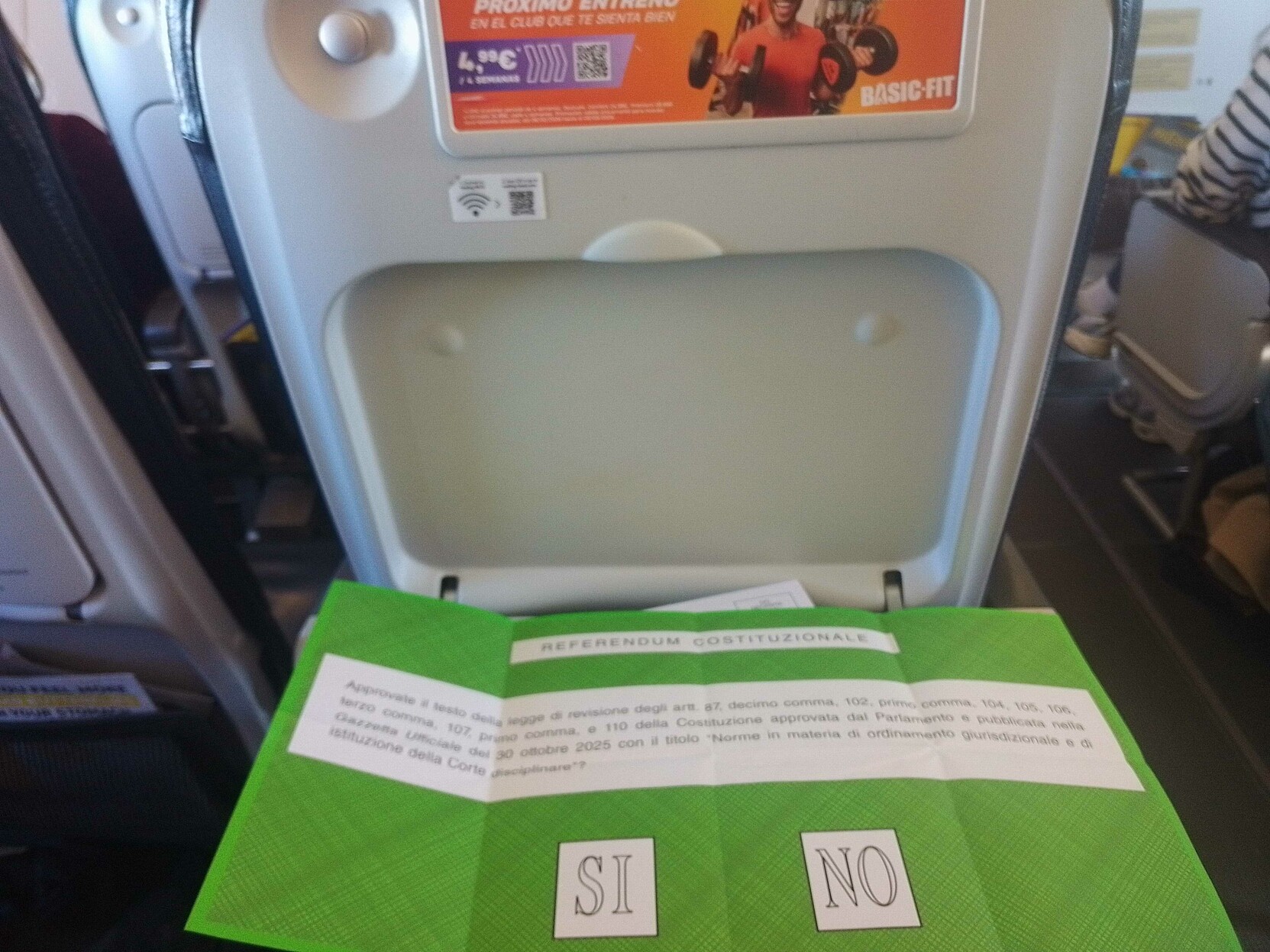
However, today I took a plane and read an [article](https://yarmo.eu/blog/make-it-on-fediverse/) by @yarmo in which he compared Mastodon to a village and Twitter to a metropolis.
I didn't like this analogy very much, so I came up with my own in which Mastodon is a big city with a lot of different places where people hang out.
I didn't polish this yet, it's just some notes I jotted down quickly, so take it as an unpolished draft.
I'd like to know your opinion about it: if you're a long time user if you believe that this analogy actually reflects Mastodon and if you're a new user if the analogy made you understand some things about Mastodon you didn't previously know.
I'll take into consideration your comments while polishing this up and to decide whether to actually include it in the guide.
So, here we go:
Mastodon is like a big city with a lot of people that hang out all the time.
Since the city is big, people hang out in many different places where they meet their friends, and generally people always hang out more or less in the same places.
Some people live near the centre, where there's a lot of different people and they can barely recognise faces and other live in isolated outskirts where few people live and everyone knows everyone else.
Some people just hang out in places where they do things that interest them, such as churches, gyms, workshops, art galleries and so on and thus mainly hang out with people that shares their interests.
The more you hang out in one place, the more you get to know the people that stay there and become their friend; moreover, staying there you get to know their friends, which may just be passing every once in a while but who normally hang out in other places.
Some groups of people despise others and try to avoid each other as much as possible by not talking to each other, avoiding common friendship and not going to the places where those people hang out.
When you move to a new city it's difficult to make friends; if you already have a friend living there, it's good to go around with him for a while to see all different places and to get to know some friends so that you can then choose where to hang out and who to meet.
If you don't know anyone living there then you have to start making friends autonomously; a good way to do this is to just choose a place that you think you like and hang out there for a while, trying to talk to people and getting into conversations with them. It's unlikely that you'll immediately find your favourite place in the city or that the first people you meet will become your best friends, but it's good to start making these "introductory friends". Through these friends you'll meet other people and eventually you will meet someone who's really cool and with whom you get along very well. Eventually you may distance yourself a bit from these people as you hang out more with other friends you made and you may stop hanging out in the place you were initially hanging out as you discover places you like more.
Thus, you'll slowly discover the places and people of the city until you find a good spot that you like.
If you're like me, you won't be happy with just one place or just one group of people and you'll start going around many places and making several groups of friends.
On the other hand you may just find a few good friends and always hang out in the same place.
Thus, it's inappropriate to start by asking around who are the cool people to follow: if nobody knows you nobody will be able to tell you who you might get along with.
It's also inappropriate to ask people to present you other people who do your same job or have your same interests; the best thing to do is to go in places where such people hang out and try to meet them naturally.
Just imagine going to the barman and asking him for the list of engineers specialised in photovoltaic panels that go to that bar... And then just going to those guys and saying something like "I heard you do my same job, we shall hang out together." That's not nice, even though he does your same job he may loathe you or you may not have fun with the guy, this is a place to hang out and not a job board.
Pinned post
I'm happy to announce that I finally published online the first version of the #GustavinoRatio calculator!
You can access it here:
http://gustavino.crucitti.xyz/
(Yes, sure... I'll add some ssl eventually)
Of course I'm open to subdomain donations for this thing...
It is not polished, but should kind of work...
If it breaks it breaks, don't really know all problems that could arise.
Oh well, take it as it is and if you find some problems let me know.
Usage: Enter the number of days you wish to analyze
Enter the url of you instance, including https://
Press the submit button
Log in your instance and authorize the application to read your stuff (I'm not storing any of it)
Wait for a while, it will stay on the authorization page for a while; this is normal, keep waiting.
A table will appear with your daily #GustavinoRatio and the one of the whole period and the name of your Gustavino
For the people reading this and not understanding all the fuzz about this ratio.
The #GustavinoRatio is the ratio of toots in you home timeline by the person who appears most often over the total amount of toots in your home timeline.
The name is Gustavino because @GustavinoBevilacqua gave me the idea of measuring this quantity, and I since discovered that he often accounts for 50% of the toots in my home timeline.
Pinned post
#presentación
Hola a todo los españoles que empezaron a seguirme.
Me presento: yo soy un quimico italiano, ahora estoy mudando en Santiago de Compostela a trabajar.
El mi Español no es el mejor, quiero que mejorarlo. Por un Italiano es facil hablar Español, pero es dificil perfectarlo porqué la gente entiende tambien si hablas alguna palabra en italiano.
Ahora soy en Varsovia, en la cama de una pintor.
En 10 dias tengo l'avion por España.
Stoy buscando una habitacion en Santiago, si sabes de alguno que alquila mandame un mesajo.
Pinned post
@aliceschwarze
Instances that block other instances generally publish those blocks in the about page.
I advise against joining the ones who don't follow this practice.
Discovering which instances blocked that specific one is a bit more difficult.
To have an idea of the instances you're going to interact with, I recommend this website https://fediverse.space/ I also used it when I switched to this instance.
#advice #instance
Vi lamentavate del caffè a 1.10€
Io adesso pago 95 centesimi alla macchinetta automatica...
rastinza
boosted

Announcing Zotero 9, with Read Aloud, a Recently Read collection, direct annotation citing, and more
Currently preparing a presentation for the university and I'm using the ChatGPT quite a bit to iterate on illustrations. It is helping me quite a lot as I can rapidly go through several ideas and find one which may resonate with the students.
Do you know if there is a standardized/accepted way to store information in the image metadata which could be of interest to recover when getting back to it? I'd really like to have the prompt I used to generate them and the style description somewhere closely linked to the file so that it is easy to get back to, without maintaining some kind of database.
Does anyone know of a good way to share files across users on a Linux system without a common group and without root access?
Sure making a group would probably be the proper way, but that would likely take months due to the paperwork involved.
My current setup: one folder I have has set ACL access to the other user. They can open it and read content, they can write in there.
However, when they write in there the ACL does not apply and I do not have access to what they add. As such every time we must add o+rw or set the ACL for all subfolders.
Is there a simpler way that will let the ACL parameters be applied to new files?
rastinza
boosted

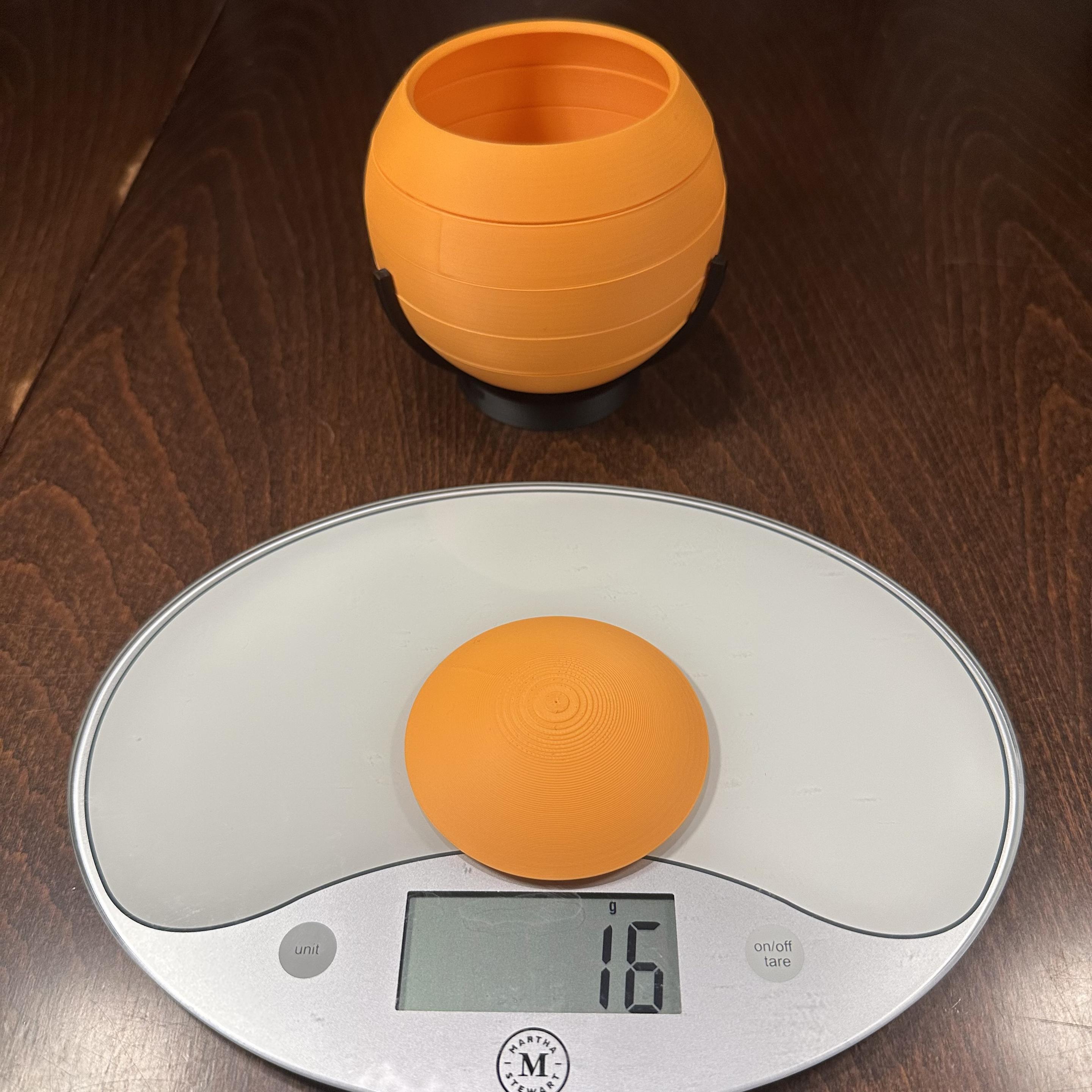
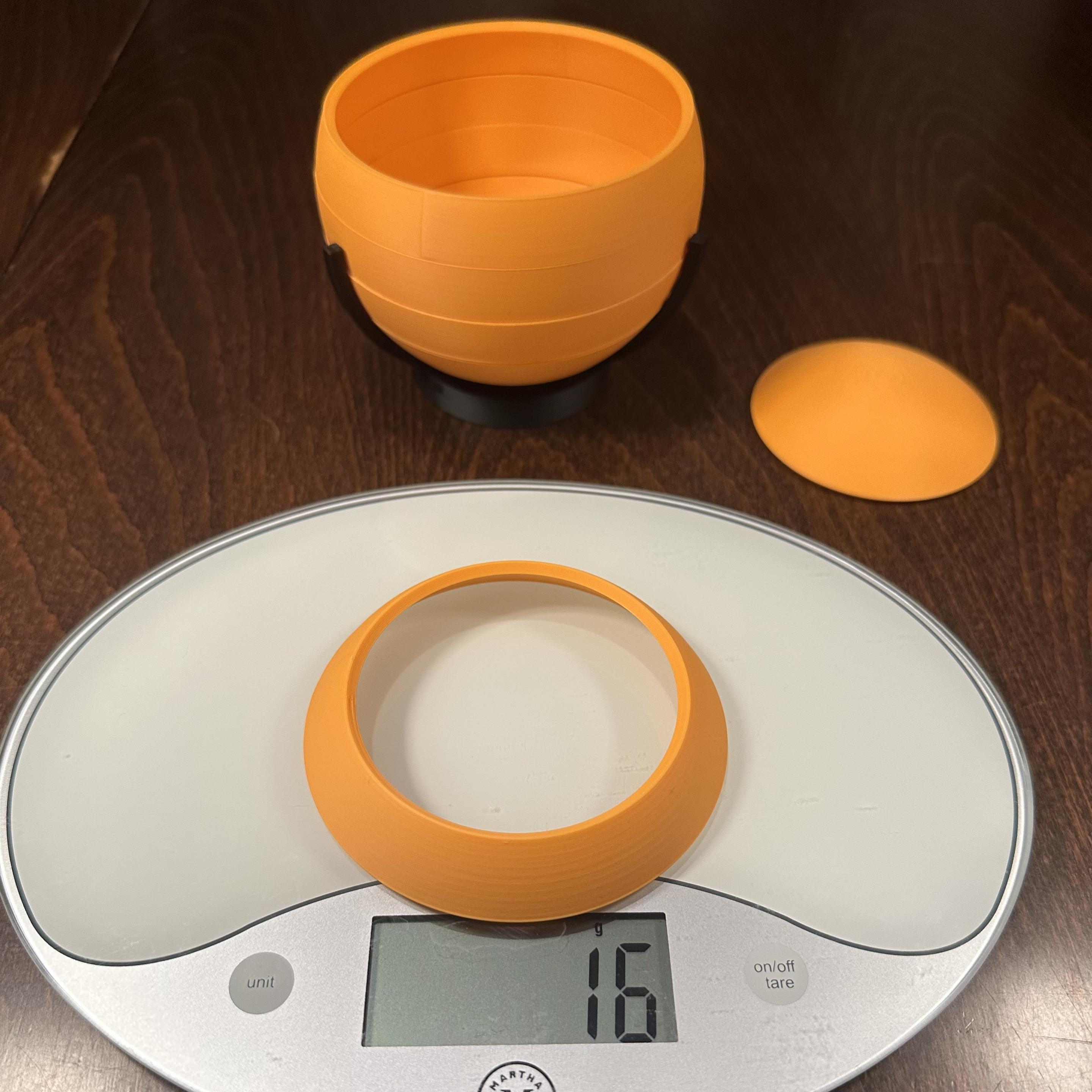
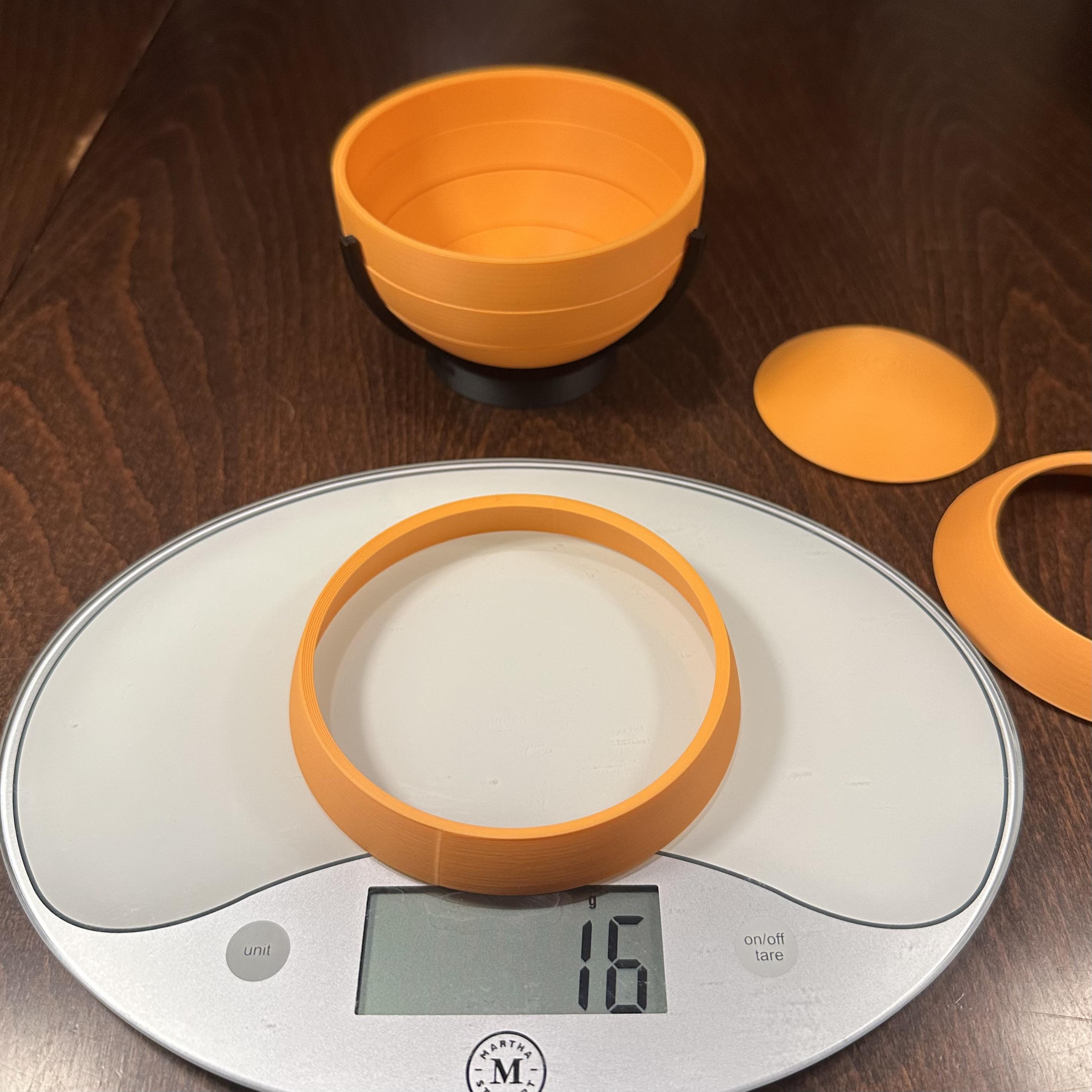
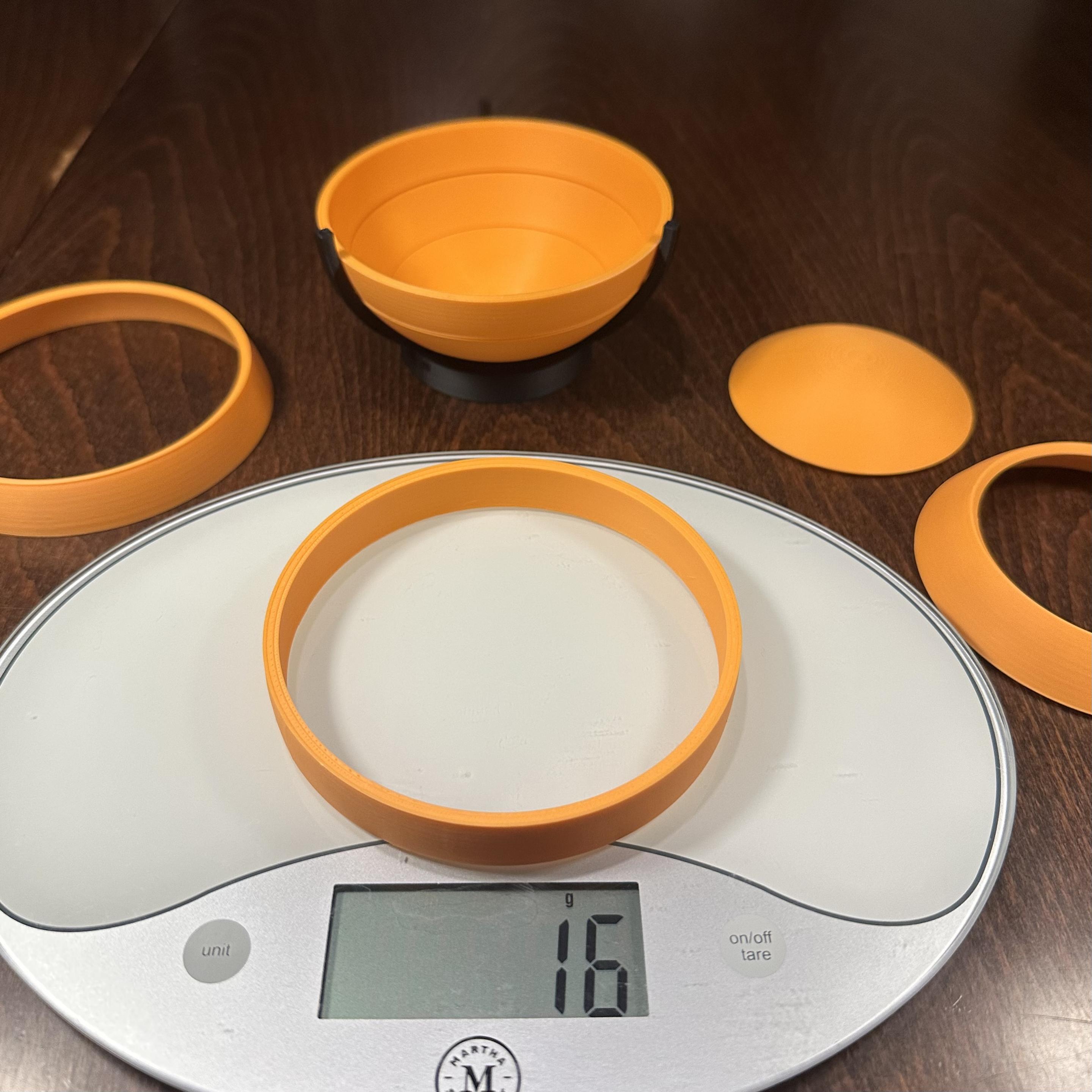
Idea: Produce 3D-printed slices of a (hollow) sphere, all of the same height. Print with 100% fill. They should all weigh the same.
Bam!
rastinza
boosted

Mangiavo il mio panino merdoso nel chioschetto accanto alla scuola, quando si avvicina il ragazzo impicciato neosospeso de terza e me fa:
- prof, comunque te volevo ringrazia perché hai accettato de fa l'attività de recupero¹ co me e non te sei rifiutato...io lo so che l'altri prof invece c'hanno paura de me
Io che lo guardo col soriso di Gesucrí quando disse lasciate che i pargoli vengano a me:
- Edoardo, io ho chiesto esplicitamente di fare questa attività perché credo tantissimo in te e so che se vuoi puoi cambiare rotta²
¹ pena afferente l'educazione civica alternativa allo stare a casa tre giorni che consiste nello stare col discolo svariate ore in rapporto uno a uno
² non è vero non ne sapevo un cazzo, m'hanno ncastrato porcoddio maledetti
rastinza
boosted

rastinza
boosted

Dutch cops arrest man after sending him confidential files by mistake
https://www.theregister.com/2026/02/16/dutch_cops_breach/
Bungled link handed over sensitive docs, and when recipient didn't cooperate, police opted for cuffs
rastinza
boosted

"I built a free tool for researchers to check if their code repository is ready for someone else to reproduce. 24 questions. 5 mins. Nothing tracked." #openscience #opencode
👉 https://topeuph-ai.github.io/ValiChord/at-home.html
(via: https://x.com/CeriEuph/status/2023004090176008227)
rastinza
boosted

🌄 Bo día! Son as 09:01 e acaba de nacer o sol.
rastinza
boosted

rastinza
boosted
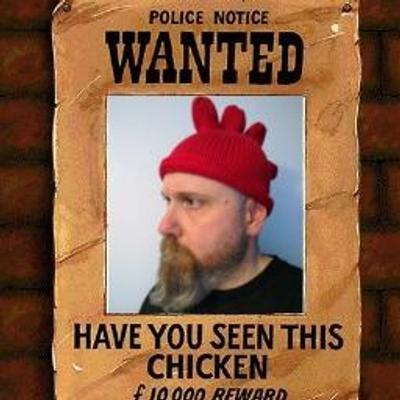
Some good news to counter the far right disinformation.
London homicides at 11-year low, Met Police says
https://www.bbc.com/news/articles/cwy8gpvdd1go
The force said 97 homicides were recorded in 2025, the lowest figure since 2014, at a rate of 1.1 per 100,000 people, lower than New York (2.8), Berlin (3.2) and Milan (1.6).
rastinza
boosted

 🏳️🌈
🏳️🌈
rastinza
boosted

Quand'è che ricominciamo a farli cacare sotto, 'sti cazzo di fascisti?
rastinza
boosted

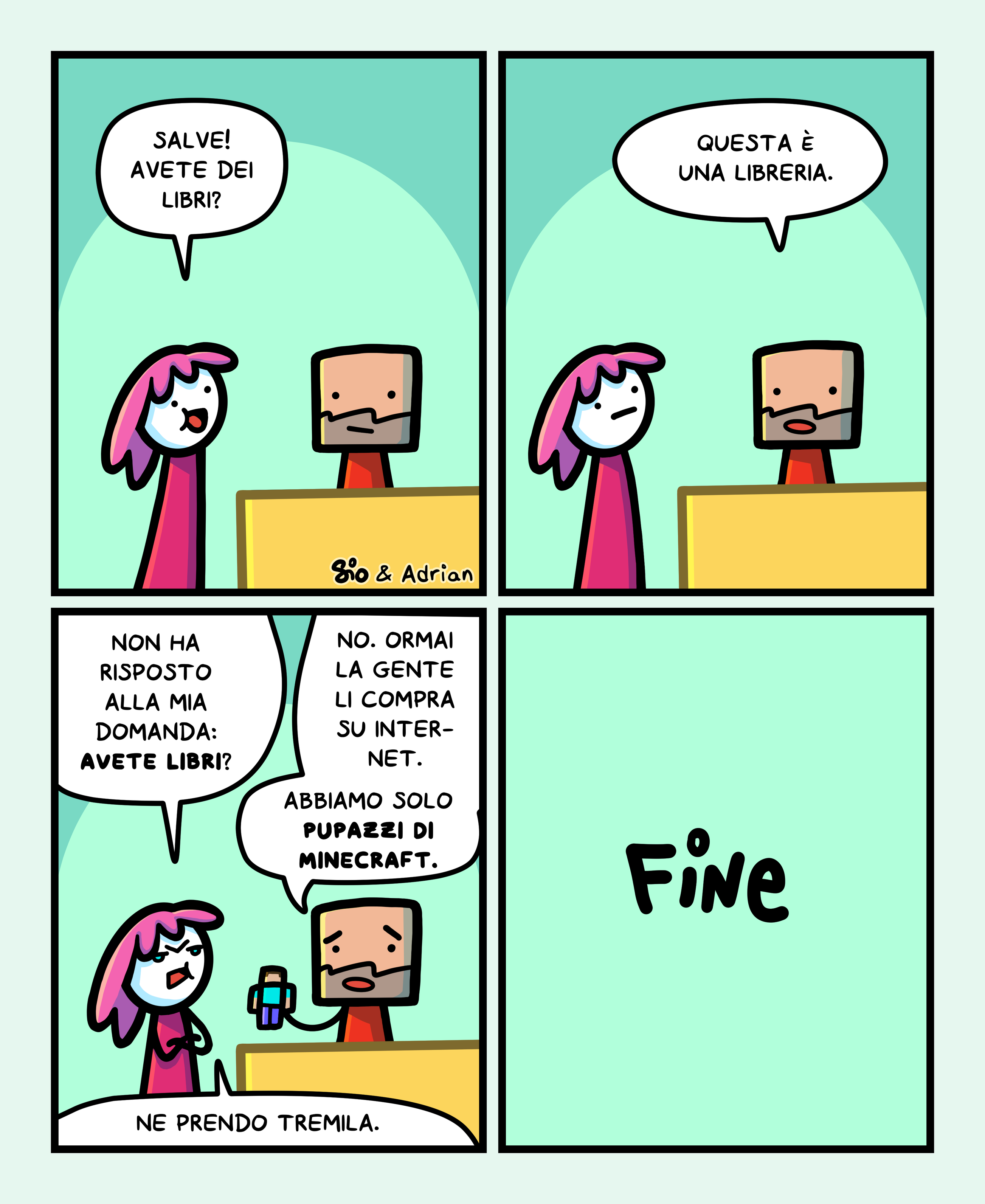
Non dimentichi di mettermi nel sacchetto anche un paio di chili di Funko Pop
rastinza
boosted

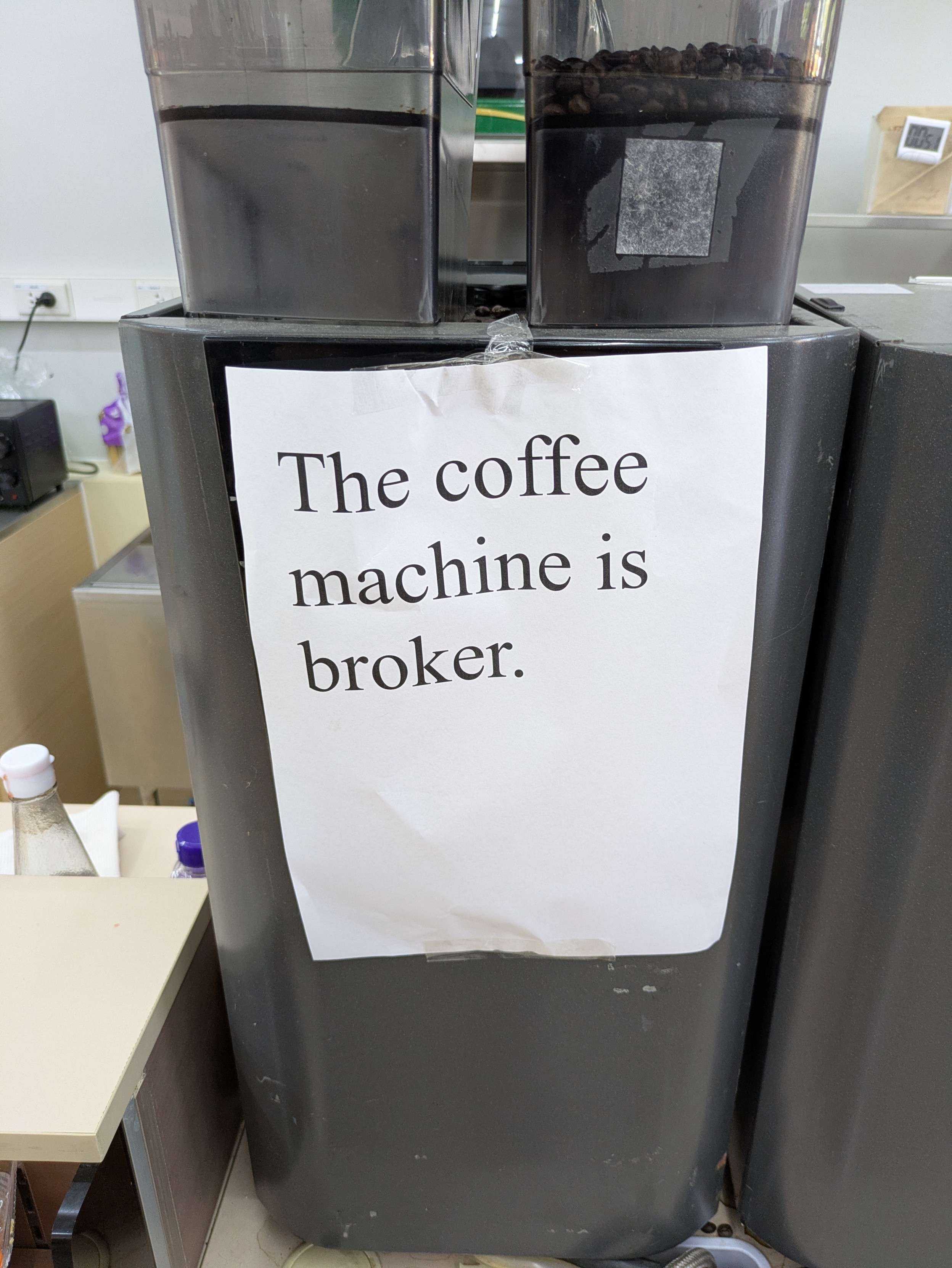
When you feel broke, but the local 7-Eleven tries to elevate your mood:
rastinza
boosted

Turns out German farmers grew too much potatoes last year, so now all the extra potatoes have to be consumed (the alternative is just burning them for biodiesel).
This means free potatoes for everyone in Berlin! 
They accept applications for batches over 1 ton until Monday; and also on Thursday and Friday there will be multiple distribution points across Berlin for picking up smaller amounts for personal consumption, measured in kilos.
https://www.4000-tonnen.de
rastinza
boosted




January 10: Polar coordinates
Your basic spirograph, but with two interesting experiments layered on.
First, draw the entire parametric curve using only two calls to sin() and two calls to cos() at the beginning—all subsequent points are computed incrementally using the angle sum formulas. Sweet, sweet trig identities! I've never seen this approach before, and it works remarkably well (too well: it doesn't visibly affect the output).
Second, optionally compute those four trig functions using polynomial approximations. This causes the curve to degrade into something a little looser and more interesting than a standard spirograph curve.
Source code at https://editor.p5js.org/isohedral/full/BGqlOsNAE. #genuary #genuary2026




Italian, MSc in chemistry specialized in cheminformatics and QSAR.
I'm interested in cooking and building stuff.
I love traveling, I lived in India, China, Slovenia, Poland and Spain.
Currently working in Spain in the field of genomics; and doing a PhD in Drug Development using Quantum Mechanics and Artificial Intelligence.
Don't take what I say as an insult, I have no bad intentions and I'm open to talk about it.
Don't star my toots, I find that often useless: if you liked it send a reply.
Consider boosting the toots, it's the only real way in which stuff is propagated through mastodon.
Joined Feb 2022
