

🌸🌹2ck 🌱🐇 @2ck@qoto.org
A capable software engineer and aspirating (sic) cook. Also posting about space stuff (mostly NASA) occasionally
pronouns: he, him
Joined Apr 2020
🌸🌹2ck 🌱🐇
boosted

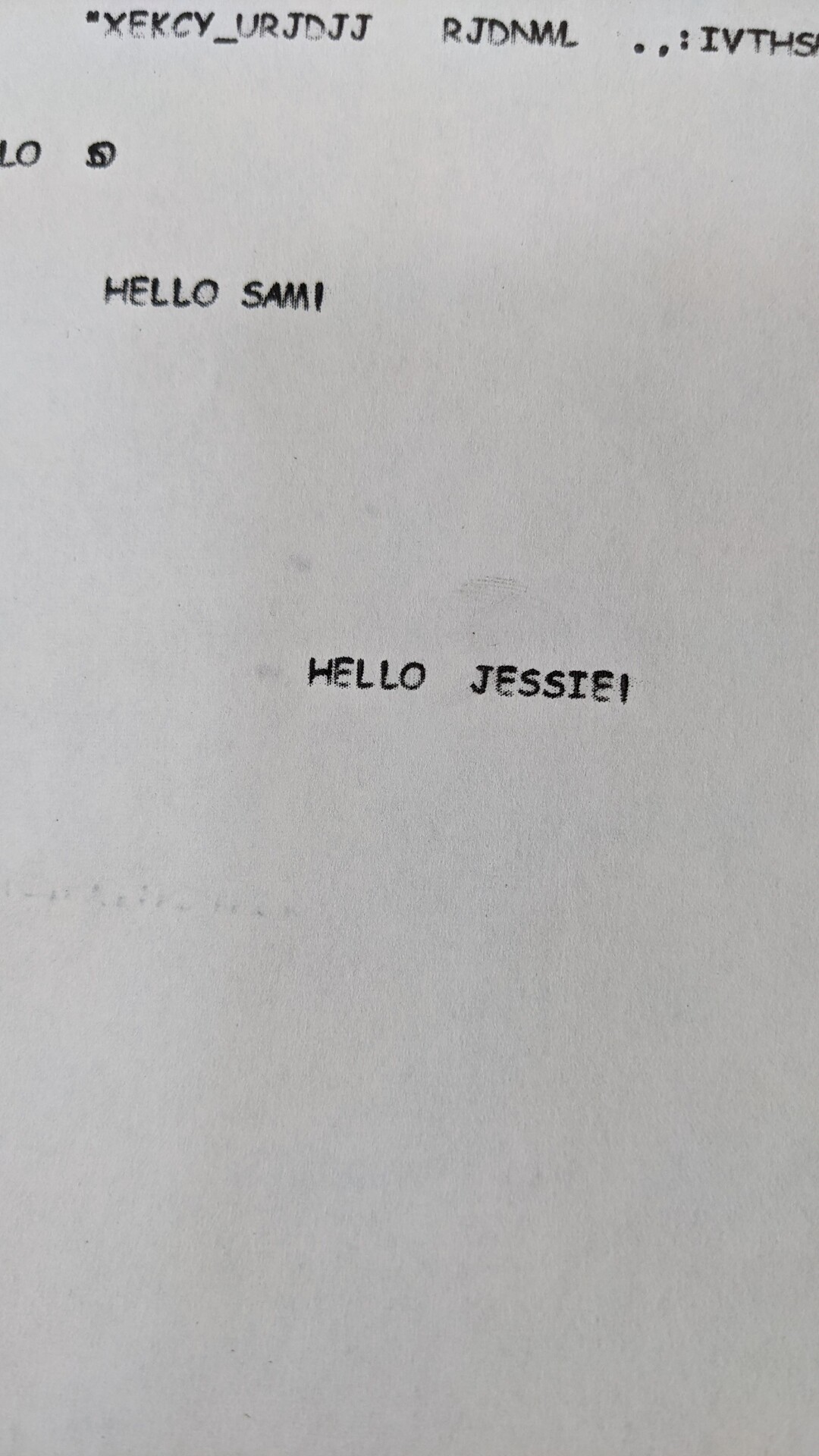
@settinger designed and printed a comic sans typewriter ball so we're testing it on my IBM selectric this afternoon and it totally does work!
🌸🌹2ck 🌱🐇
boosted

https://electrocuties.com/
This blog doesn't appear to be very active, but the "About" post is from late last year.
Anyway, I'm a sucker for a pun.
🌸🌹2ck 🌱🐇
boosted

Lazyweb: I'm using Teespring but I'm not married to it. I would like to make t-shirt designs through an on-demand service but I also like being able to sleep at night.
If I want something printed on t-shirts, and my criteria are:
- people making a living wage in safe working conditions
- won't dissolve in the washing machine in a month
- isn’t sourced from somebody dumping trash in the ocean or working meth-addled children through 17 hour days
... what are my options?
🌸🌹2ck 🌱🐇
boosted


This looks like a fun RSE job on Colorado:
@emily I was thinking "program"="executable". that's the undergrad CS definition I received, roughly. fair point though.
I think the object capability idea appeals to me because it does look towards a solution by inverting the dependency relationships in code but actually requiring that at an OS level so you have a formalism where you can reason about capabilities across programs. you can make summaries about caps for ensembles of programs, like show which programs can talk to each other, prove that X program can only send your location over local network connections, etc
@emily i forgot about apparmor. never heard of UAC: "User Account Control"?
I think it's partly a UI problem insofar as communicating to end users what capabilities a given program needs, what even is a program (seriously: not all users will understand), what are the implications of not just one capability but certain subsets of capabilities, when do you even need to tell users about the capabilities vs ensuring they're secure on delivery...but I've quickly gotten into whole-system design because a lot of this, just trying to make the interface nice, you end up "putting lipstick on a pig", right?
I think that's part of what motivates "object capabilities" a la #spritelygoblins. I haven't taken the time to grok what they've actually achieved there and whether it solves any of those putative interface problems though
🌸🌹2ck 🌱🐇
boosted

🌸🌹2ck 🌱🐇
boosted

Gordon Moore, co-founder of Intel, has passed away at 94.
In 1965, he predicted that the number of transistors that could be placed on a silicon chip would double at regular intervals into the foreseeable future, increasing data-processing power exponentially. This came to be called Moore’s Law.
Moore later added that the evolving technology would make computers more expensive to build, but consumers would be able to pay less bc so many would be sold. https://www.nytimes.com/2023/03/24/obituaries/gordon-moore-dead.html?smid=nytcore-ios-share&referringSource=articleShare
🌸🌹2ck 🌱🐇
boosted
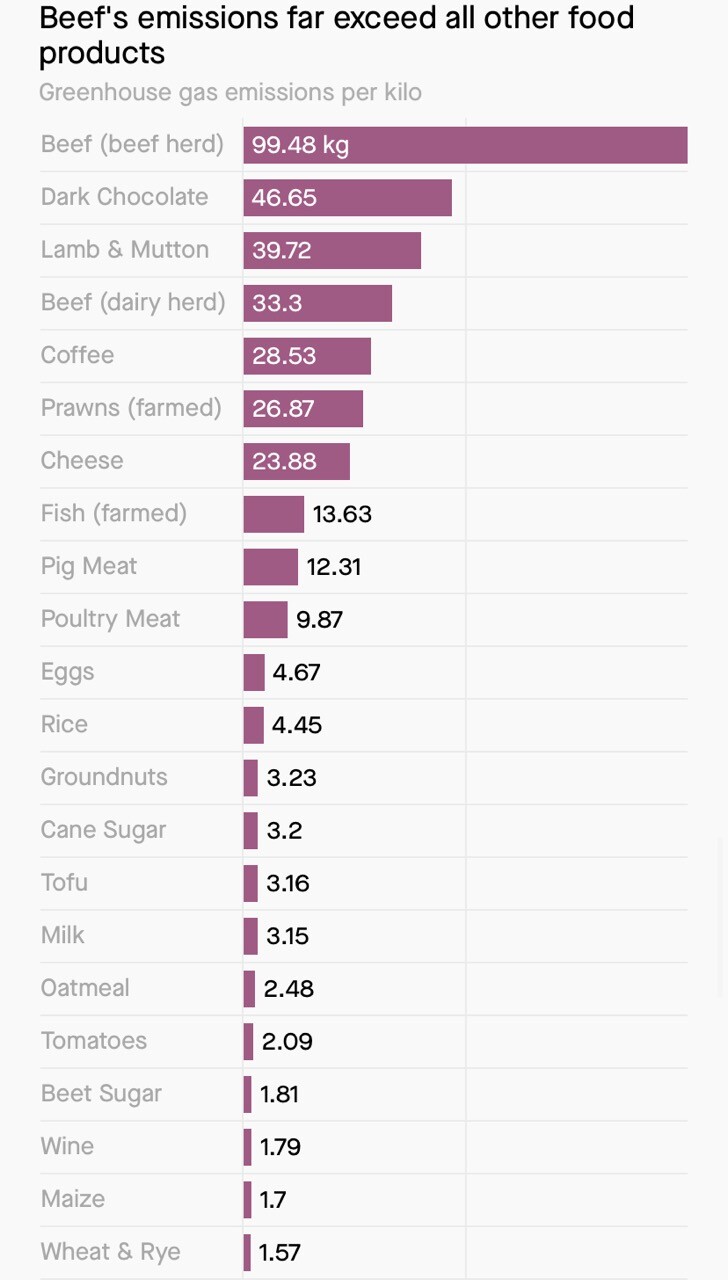
Meat industry blocked the IPCC’s attempt to recommend a plant-based diet
“A leak of a draft of the Intergovernmental Panel on #ClimateChange (#IPCC) report..has been particularly enlightening when it comes to just how much how delegations negotiate, watered down & delete scientists’ findings.”
https://qz.com/ipcc-report-on-climate-change-meat-industry-1850261179 #science #food
🌸🌹2ck 🌱🐇
boosted
Kindness is underrated.
@emily do you make use of cgroups and namespaces in a more ...nuanced way? I don't see too much use of these facilities outside of holistic containerization solutions. I think systemd might use cgroup as well.
It seems like there's possibility for building out a meaningful capability system to plug the architectural hole of standard POSIX permissions with namespaces. probably this is something \@cwebber@octodon.social knows about (not sure she'd want in on my random comment)
🌸🌹2ck 🌱🐇
boosted

In many West African cultures, griots serve as communal memory banks, transmitting a people’s history, rituals, folklore, and values from generation to generation, stretching back centuries.
But for Anglo-Gambian kora master Sona Jobarteh, becoming the first woman from a griot family to master the 21-string instrument was a decidedly secluded process.
Link below to read the full article:
https://missionlocal.org/2023/03/sona-jobarteh-and-brava-and-kora/
🌸🌹2ck 🌱🐇
boosted

@mcv indeed. there's a generic protocol in the works for "sharing" as well: https://github.com/mgiuca/web-share/blob/master/docs/explainer.md
also, see this thread https://qoto.org/@2ck/110090092770276780
@kytta there are some issues raised at that link re use of a URI scheme vs a web API. to me, they aren't disqualifying, but I can see some advantages to using the Web Share API. the main downside is just that it requires more standards work and browser buy-in than the URI scheme, the latter of which you could probably do without even talking to the IANA to register the scheme first if you don't want to
@kytta
of course, I'm not nearly the first to come up with this idea https://github.com/w3c/web-share/blob/main/docs/explainer.md#why-not-make-a-share-uri-scheme-like-mailto-instead-of-a-javascript-api
@kytta I thought about it some more, and probably the best option given the available user agents involves the use of a new uri scheme. something like
share:text="Check out this cool book";network=Mastodon,Fediverse
would let Chrome and Firefox, at least, use their "protocol handler" and "Applications" settings, respectively, to take you to your Mastodon or "Fediverse" client to actually share whatever it is. you may still want a browser extension if you want to open the link in a browser, but I would guess you can bridge the gap with a script that parses "share:" URIs then opens on your instance with a prefilled form for posting.
the advantage is that this works better for when you have a separate application already for Mastodon, etc., such as I do on my mobile phone. you can also ignore the "network=" part, since it's just a hint, really, and open any other application you want since the URI doesn't tie you to a specific application's API.
🌸🌹2ck 🌱🐇
boosted







Dear Berlin people: don’t forget to vote today. There’s a referendum for making Berlin climate neutral in 2030 (rather than 2045)! Thanks 💚💚💚
A capable software engineer and aspirating (sic) cook. Also posting about space stuff (mostly NASA) occasionally
pronouns: he, him
Joined Apr 2020
🌸🌹2ck 🌱🐇's choices:
