

Daniel Dvorkin @medigoth@qoto.org
Bioinformaticist / biostatistician, veteran USAF medic and Army infantryman, armchair paleontologist, occasional science fiction author, long-ago kickboxer, oldbat goth, vaccinated liberal patriot.
Joined Oct 2022
Pinned post
Hello, all. I've been around for a few days but haven't yet made an #introduction post. So here we go.
I'm a #bioinformatics consultant with [The Bioinformatics CRO](https://www.bioinformaticscro.com/) working on a variety of small and large projects ranging from fundamental genomics to clinical decision support. Before that, for several years I was a postdoc and ORISE fellow specializing in high-altitude medicine and physiology at the University of Colorado Altitude Research Center. My academic background is a nearly even mix of #biostatistics, machine learning, and biology.
The ARC* has been sadly moribund for a few years, but thanks to collaborations with other groups, we're [starting to get more active again](https://harcsummit.org/). Hopefully I will have more to say about that in the future. Meanwhile, feel free to ask me anything about #altitude medicine---I think I still remember most of it.
Years before _that_, I was an Air Force #medic (after a brief stint as an Army infantryman) followed by a couple of years as a civilian EMT. My time in patient care informs my approach to science: the numbers I crunch represent human lives.
Otherwise, I'm an armchair #paleontologist hoping to be able to call myself an _amateur_ paleontologist again one of these days---by which I mean actually spending some time in the field and/or the prep lab---a too-occasional science fiction writer, and chronically sleep deprived. Also, my life is the internet: it's cats all the way down.
*Fellow #Primeval fans may recognize the jacket in the picture. My wonderful fiancée found it for me when I was hired at the ARC, for exactly the reason you think.
#Platner was hand-picked by #Sanders and enthusiastically supported by the #DSA. #Liberals by and large were cautious about him, and many pointed out early on that he had a lot of problematic history. Most liberals committed to supporting him once he secured the #Democratic nomination, because getting the #Senate out of #Republican hands is the most important goal. But we were also the first to say he should step down when the full story came out.
Nearly everyone who still supports him is a self-identified #leftist or #progressive, not a liberal, and will say so at length. Y'all don't get to rewrite history that we can remember from five minutes ago.
The conversation about Graham #Platner, and what #Maine #Democrats should do next, has reinforced my opinion that many #lefties have an absolutely #MAGA-level preference for style over substance.
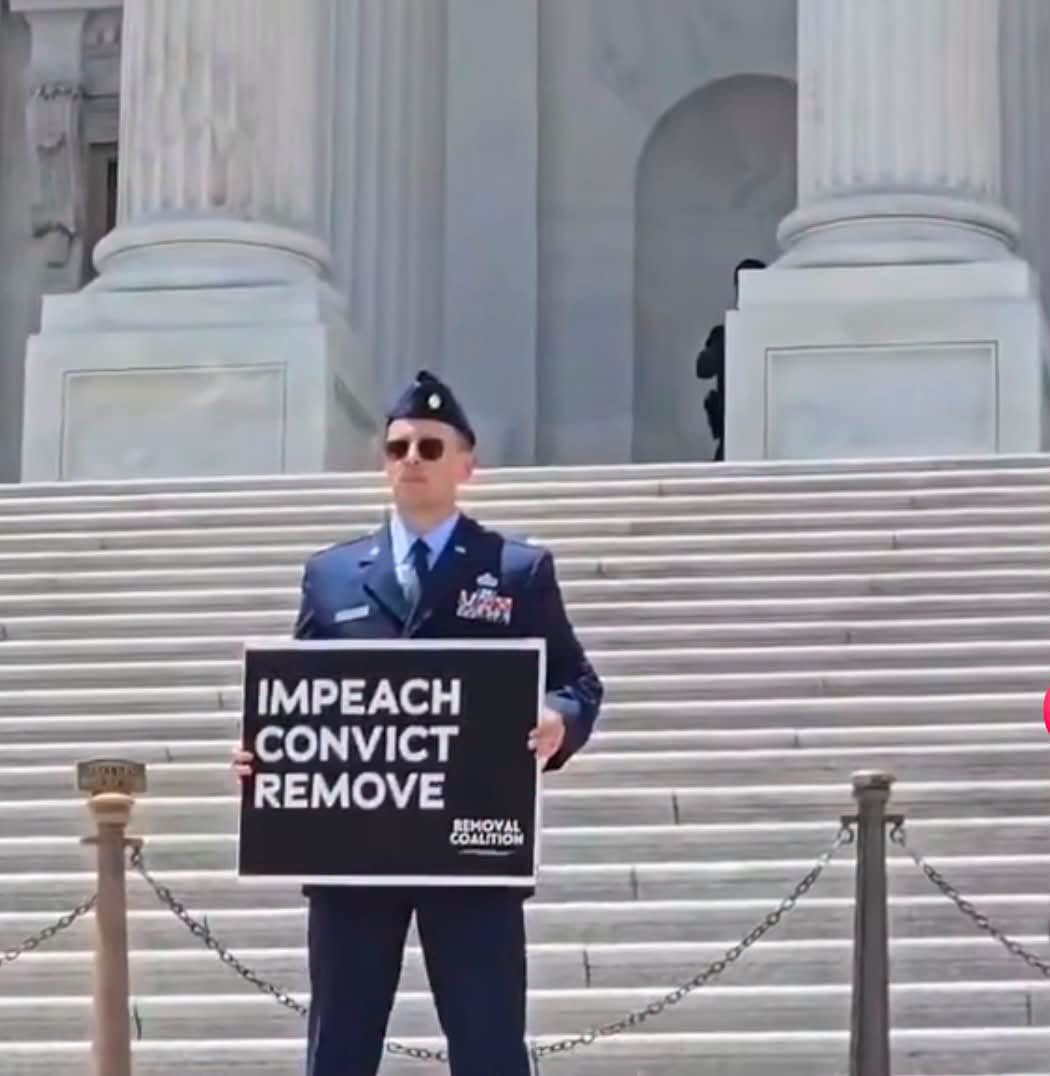
This is a truly impressive level of courage.
https://www.yahoo.com/news/politics/articles/active-duty-air-force-major-214055598.html
I understand that some of my fellow vets may not share my admiration for Major Watson's action. Senator and retired Captain Mark Kelly has exactly the same free speech rights as any civilian, unless and until he's recalled to active duty. Maj. Watson, a currently serving officer, does not.
He is committing a crime specific to officers, speaking "contemptuous words" against the president. (Not that things would go much better for enlisted who did the same.) He will almost surely lose his commission and be dismissed from the service, possibly with prison time along the way. And I'm quite sure he knew this when he made that sign and went up those steps.
Most laws should be followed, most of the time. Some laws are unjust, and should be broken all the time. Some other laws are not unjust in and of themselves, but can be used as vehicles for injustice, and should be broken when they are. That last is clearly where we are now, and Maj. Watson is a hero—a word I don't use lightly—for recognizing and acting on it.
Sir, I salute you.
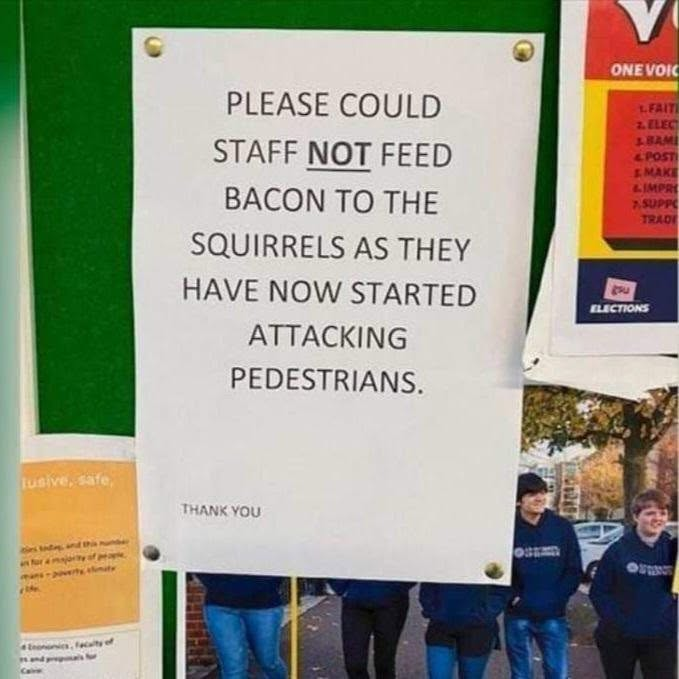
The greatest trick the Devil ever pulled was convincing the world that #TheExpanse was hard SF.
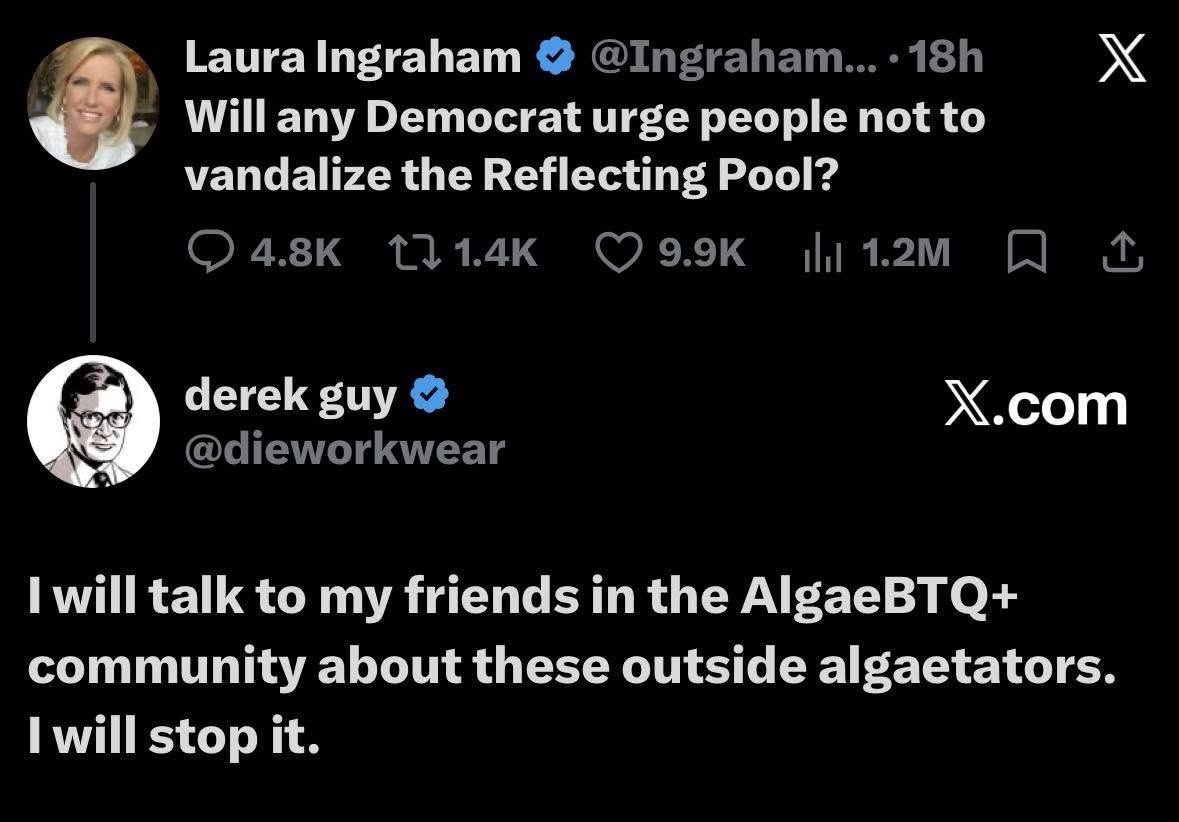
Seen in the wild: the #ReflectingPool liner was cut by Sealant Team Six.
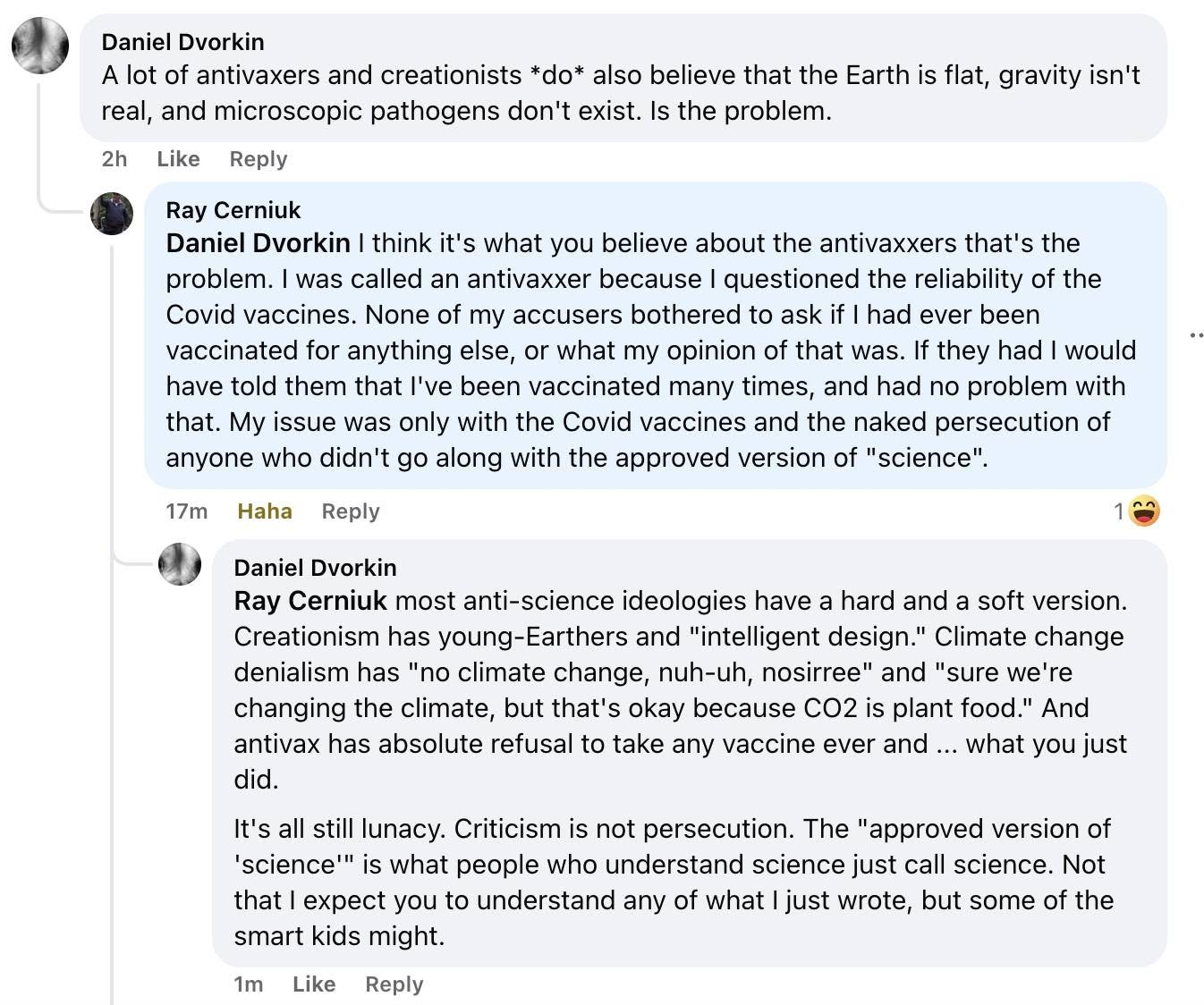
When I first heard "the plural of #anecdote is not #data," I thought it was very clever, and repeated it endlessly. So did, and do, a bunch of other people.
The original form of that saying was "the plural of anecdote is data." It was meant to urge researchers not to dismiss rare or unexpected results as #outliers. Both "the plural of anecdote is data" and "the plural of anecdote is not data" can be true, depending on context.
Like other #science aphorisms which have entered popular culture, particularly those containing the phrase "is not," this is a constant annoyance. I know my complaints won't make them go away. But I hope I can at least get people thinking about them, rather than parroting them and feeling smug.
Just something that came up tangentially today. Now, back to sorting out the anecdotes. Cells are wordy little bastards.

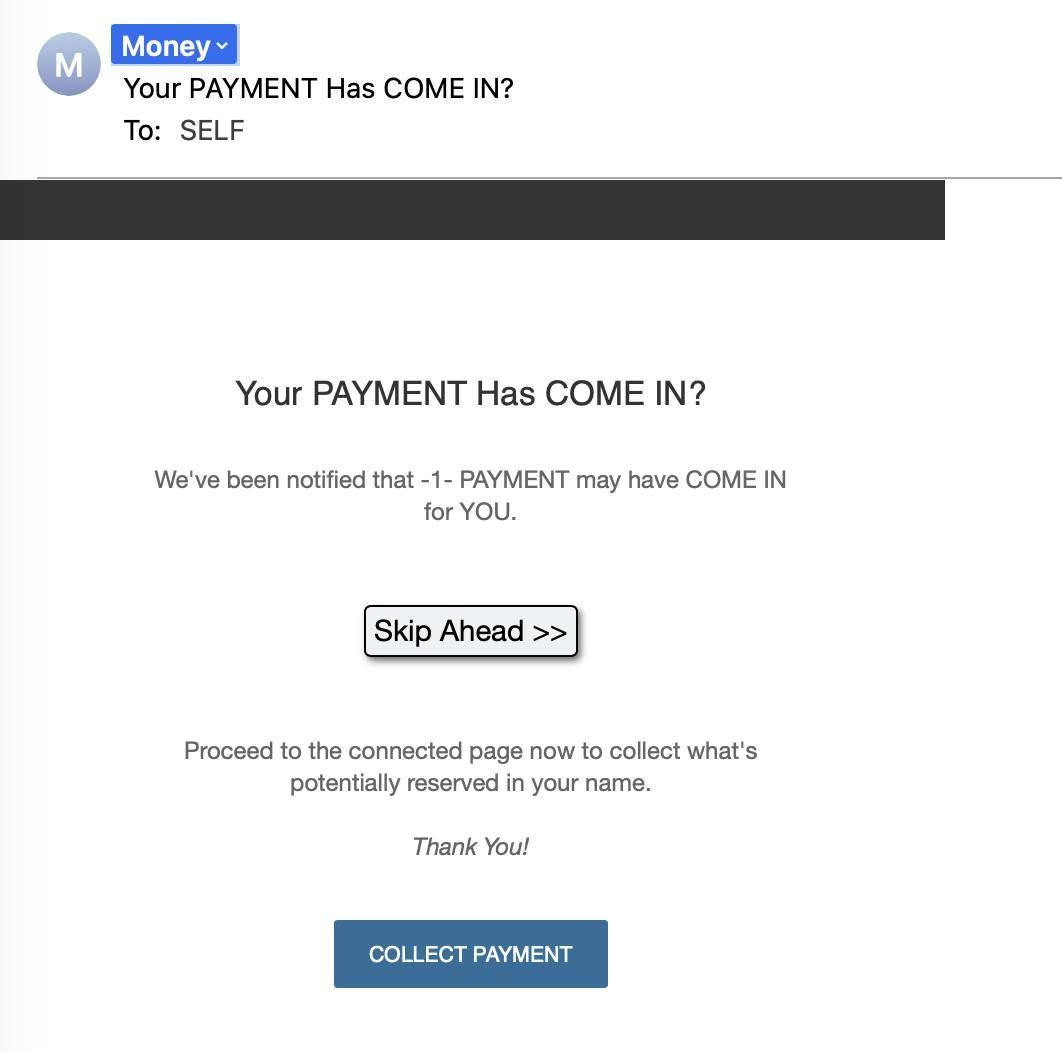
Ever since the beginning of the internet, I've been waiting for an e-mail from Money. Today it finally arrived. If you need me, I'll be on my yacht.
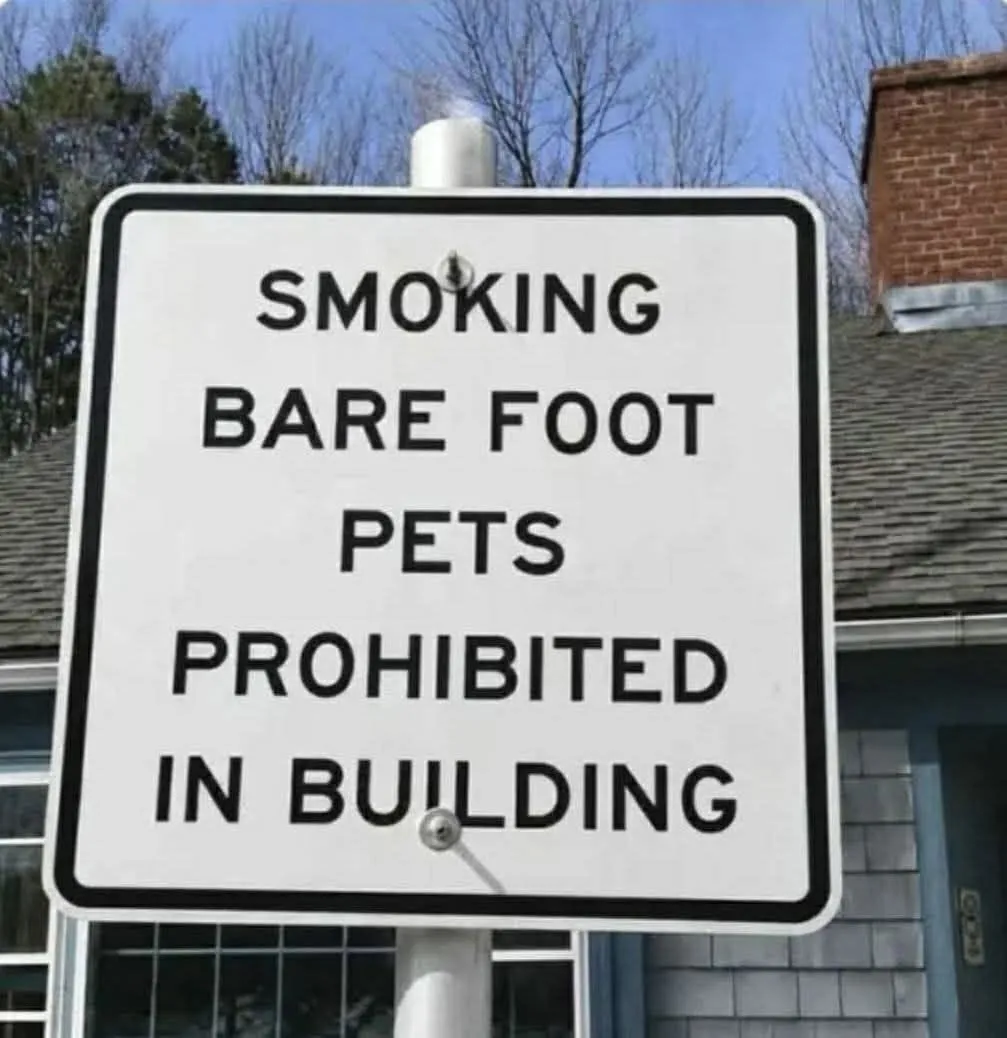
"Okay sweetie, before we go back to the apartment, you either have to put your paw booties on, or put the cigarette out. Your choice."
Lawful good: capitalize genus, leave species lower-case.
Lawful evil: capitalize both genus and species.
Neutral evil: write both in all upper-case.
Chaotic evil: "tReX".
One of the copy-and-paste #antivax talking points is that #polio was caused by #DDT. For everyone repeating this vile lie:
My grandmother was a polio survivor. She caught the disease in childhood, before DDT was in use as a pesticide. When I was a small child, she could walk, sort of, with crutches. By the time I was in high school, she was wheelchair-bound, as she would be for the rest of her life.
Consider this an engraved, gold-plated, personally delivered invitation to go fuck yourselves.
"You picked up the leash and said 'walkies!' Then you got distracted and I never had my walk. I'm sorry it's come to this, but I really have no choice."
https://www.theguardian.com/us-news/2026/may/26/dog-shotgun-nebraska-convenience-store
"Also, you’re not any kind of street fighter, or 'Str33t F1ght3r' either. I guess you think calling yourself that, and spelling it in a way that was amusingly quaint around the beginning of this century, makes you sound cool and badass. Take it from someone who’s actually been in a few fights, it doesn’t. Mainly it makes you sound like someone who will get his ass kicked the first time he pokes his face outside his Mom’s basement. Tell her I said hi, by the way."
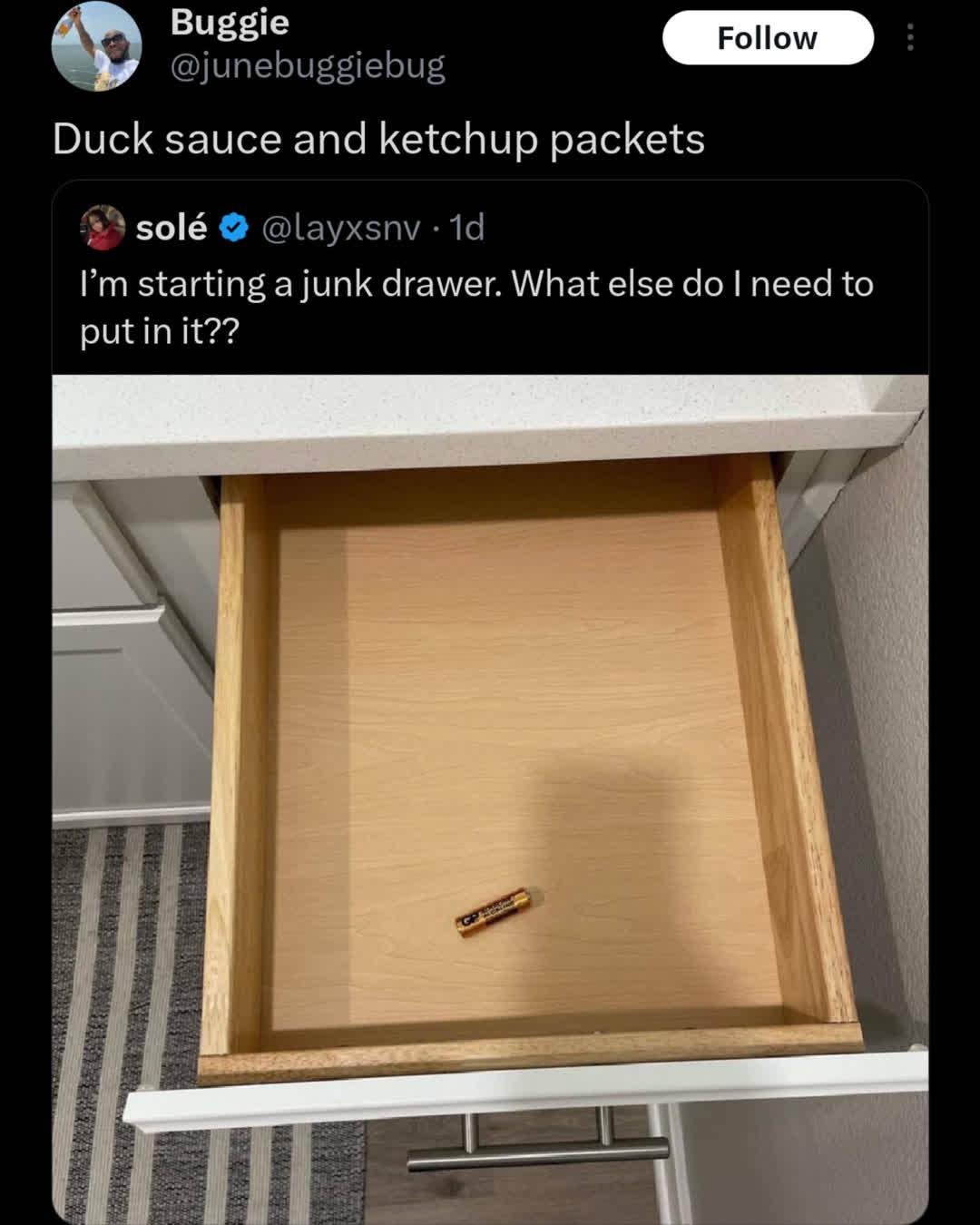
Definitely need some old rubber bands that are so dried out they'll snap the first time you try to use them. Bonus points if they hit you in the eye.
Or is that just me?
Bioinformaticist / biostatistician, veteran USAF medic and Army infantryman, armchair paleontologist, occasional science fiction author, long-ago kickboxer, oldbat goth, vaccinated liberal patriot.
Joined Oct 2022
