

Bibliolater 📚 📜 🖋 @bibliolater@qoto.org
Not a bot just a chap in his fifties who occasionally reads things.
Toots are humanities, science, non-fiction, books, maps, charts and graphs related. Some toots containing videos may also find their way into the timeline.
Toots or follows or boosts or mentions ≠ endorsements of any particular notion or notions.
Finis
Joined Nov 2022
🇺🇸 **Why does the USA have a 'President'?**
#Video length: short
🔗 https://www.youtube.com/shorts/TvrQBgO16ws.
#History #Histodons #Politics #BenjaminFranklin #USPol #USA #US #UnitedStates @histodons
🇺🇸 **The Former Capital of the Confederacy is Leaving the Lost Cause Behind**
🔗 https://kevinmlevin.substack.com/p/the-former-capital-of-the-confederacy-289.
#History #Histodons #Virginia #Confederacy #LostCause @histodons
🇩🇪  **The Brothers Grimm: The Unknown Political Story**
"_They were preserving the past to reshape the future._"
#Video length: fifty-two minutes and fifty-nine seconds.
🔗 https://www.youtube.com/watch?v=n3L3v7M2aw4.
#Documentary #History #Histodons #Germany #Politics #Literature @literature
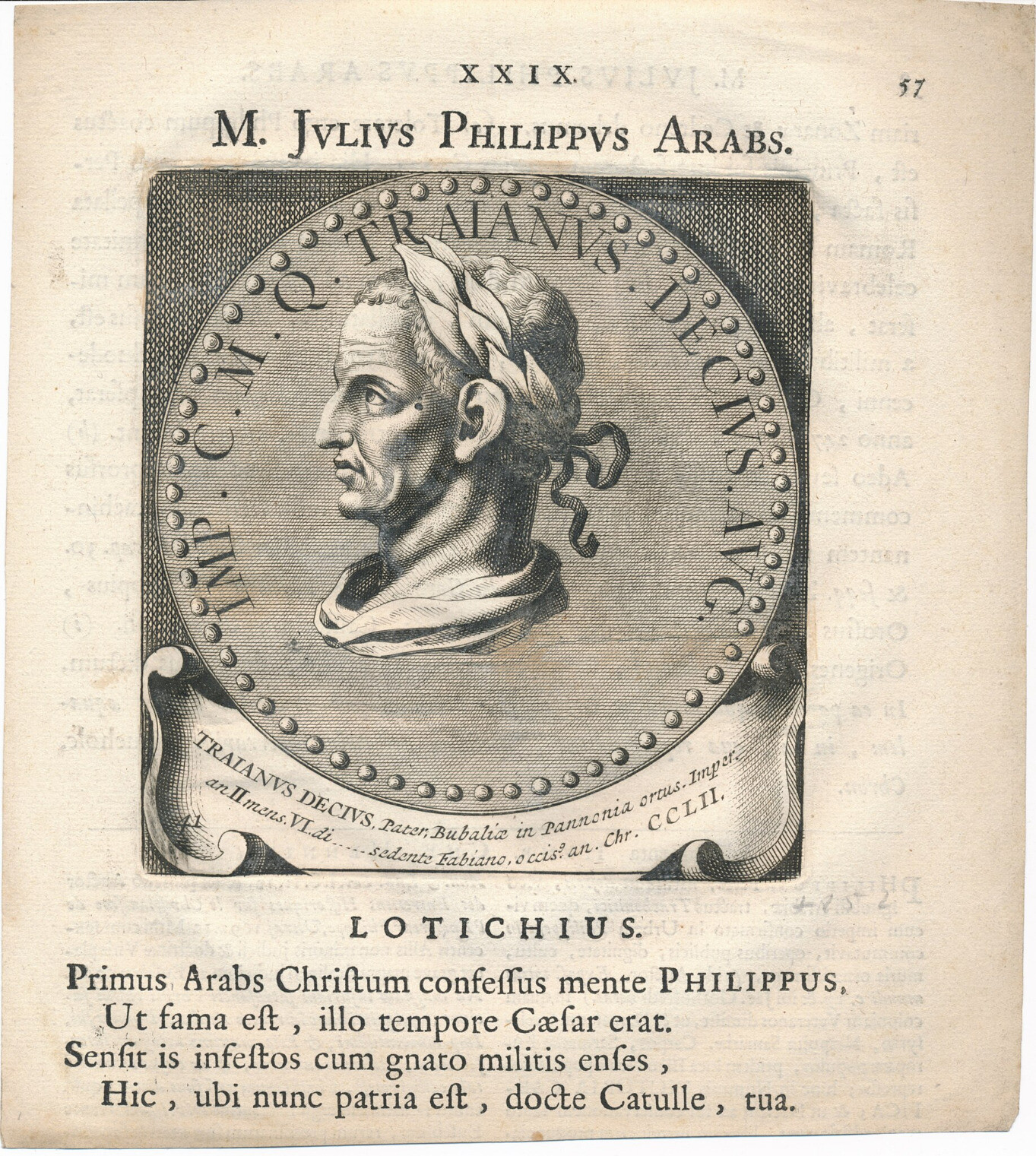
**Roman Emperor: Philip**
#Image attribution: Heritage centre Rozet, Public domain, via Wikimedia Commons. Page URL: https://commons.wikimedia.org/wiki/File:M._Julius_Philippus_Arabs_Erfgoedcentrum_Rozet_300_191_d_6_a-d.jpg.
🏴 📖 **The history of the Norman conquest of England, its causes and its results : Vol. 1**
"_Read or download for free_"
🔗 https://www.gutenberg.org/ebooks/76820.
#Read #Download #ProjectGutenberg #History #Histodons #England #Ebook #Books #Bookstodon @histodons @bookstodon
📖 **Translated Texts from Antiquity Vol. 1: Pomponius Mela’s Geography of the World**
#Ancient #History #Histodons #Books #Bookstodon @histodons @bookstodon
🇺🇸 **Lost Cause: historical interpretation**
🔗 https://www.britannica.com/topic/Lost-Cause.
#USA #US #UnitedStates #LostCause #Confederacy #History #Histodons @histodons
**Cutty Sark’s new binnacle: charting a course for heritage crafts**
"_A navigational case shines a light on traditional skills – and prompts intriguing questions into the tea clipper’s history_"
**Ancient Greek civilization in the later Archaic periods**
🔗 https://www.britannica.com/place/ancient-Greece/Classical-Greek-civilization.
**Ancient Greek civilization in the later Archaic periods**
🔗 https://www.britannica.com/place/ancient-Greece/Classical-Greek-civilization.
🇬🇧 🇪🇸 🇵🇹 📖 **No Country for Travellers British visitors to Spain and Portugal, 1760–1820**
"_The travellers’ memoirs reflect changing perceptions of Spain and Portugal as modernisation raised new hopes that vied with pessimism and ancient prejudice, and also the persistence of cultural stereotypes, while the counterintuitive relationship between civilian travel and armed conflict emerges through a case study of the Peninsular War._"
🔗 https://uclpress.co.uk/book/no-country-for-travellers/.
#OpenAccess #OA #History #Histodons #Travel #UK #UnitedKingdom #Spain #Portugal #Ebooks #Books #Bookstodon @histodons @bookstodons
📖 **A Short History of Stupidity by Stuart Jeffries review – comfortably dumb?**
"_It’s not all straight philosophy. Jeffries gives us affectionate readings of Don Quixote and Flaubert’s Bouvard and Pécuchet, dips into Shakespeare’s fools and the rich menu of stupidities available in King Lear, as well as making the odd excursus into cognitive science._"
#Philosophy #History #Stupidity #Review #BookReview #Books #Bookstodon @philosophy @bookstodon
**‘Keseph’: The Use of Silver Money in the Southern Levant from the Middle Bronze Age to the End of the Iron Age (~ 2000–600 BC)**
"_The Southern Levant saw significant use of silver during the final stages of the Middle Bronze Age, with the first silver-currency hoards appearing at Shiloh and Gezer (~ 1650/1600–1600/1550 BC), predating other regions. Although silver was temporarily replaced by gold in the Late Bronze Age, it re-emerged as the dominant form of money by the Late Bronze Age IIB, ~ 1300 BC, a status it retained until the end of the Iron Age (~ 600 BC), despite occasional shortages._"
Eshel, T. ‘Keseph’: The Use of Silver Money in the Southern Levant from the Middle Bronze Age to the End of the Iron Age (~ 2000–600 BC). J World Prehist 38, 5 (2025). https://doi.org/10.1007/s10963-025-09191-7.
#OpenAccess #OA #Article #Archaeology #Archaeodons #History #BronzeAge #IronAge #Sliver #Money #Levant #NearEast #Academia @archaeodons
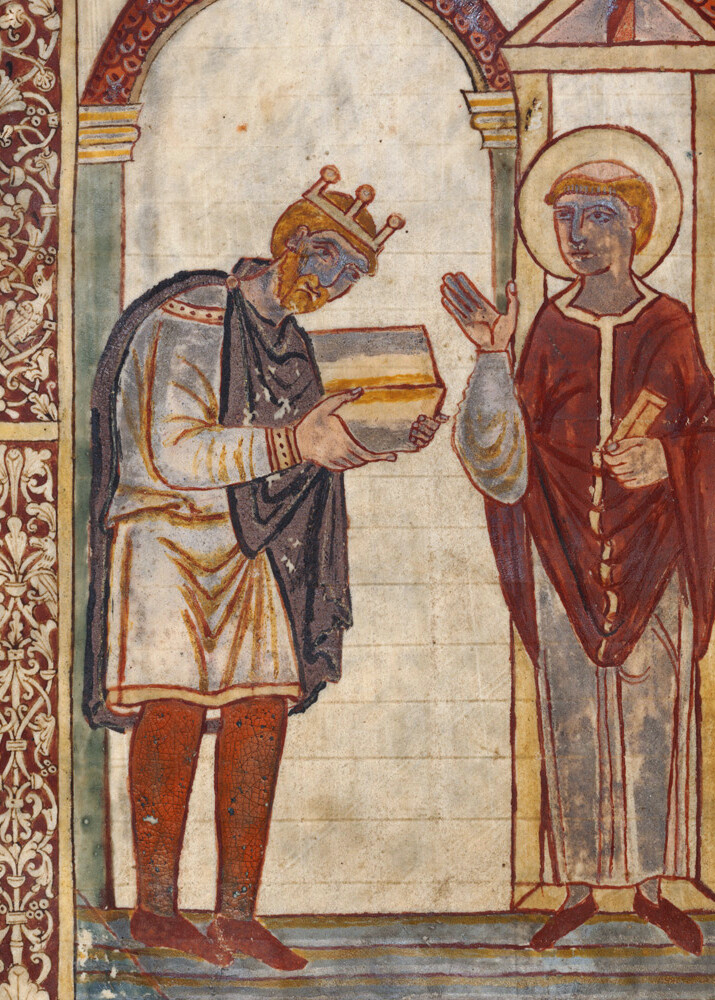
🏴 📖 **The First King of England: Æthelstan and the Birth of a Kingdom – a deep and nuanced analysis of a complex monarch**
"_Overall, Woodman presents Æthelstan as a European king, a scholar, with ruthless ambitions and a strong streak of piety._"
#History #Histodons #England #Nonfiction #Review #BookReview #Books #Bookstodon @bookstodon @histodons
#Image attribution: See description, Public domain, via Wikimedia Commons. Page URL; https://commons.wikimedia.org/wiki/File:Athelstan_(cropped).jpg.
**The Mona Lisa of medieval manuscripts, as you’ve never seen it before**
"_The manuscript itself has a colourful history: it was begun around 1411 by three young artists, the Limbourg brothers, for the discerning and covetous Jean, Duc de Berry, son, brother and uncle to successive kings of France, whose reputation as a lover of books, gems, exotic objects and ‘choses estranges’ was well established in his own lifetime._"
🔗 https://apollo-magazine.com/tres-riches-heures-limbourg-brothers-chantilly-manuscript-review/.
"_Hayek’s abandonment of the established view on the Aristotelian roots of the Austrian school can be better understood by considering the intellectual environment of his time. His eventual adoption of Karl Popper’s point of view on Aristotle meant taking a stance against Karl Polanyi’s democratic socialism and distancing himself from Wilhelm Röpke’s Catholic conservatism_"
Karp, M. (2025) ‘HAYEK ON ARISTOTLE: THE DEBRIS OF A GENEALOGY OF MODERNITY, VIA POPPER, POLANYI, AND RÖPKE’, Journal of the History of Economic Thought, 47(3), pp. 317–338. doi: https://doi.org/10.1017/S1053837225000069.
#OpenAccess #OA #Article #History #Histodons #Economics #Hayek #Aristotle #Academia @histodons @economics
🇬🇧 🇮🇳 **East India Company**
**Genetic Evidence of Yersinia pestis from the First Pandemic**
"_This study provides the first genomic evidence of Y. pestis in the Eastern Mediterranean during the First Pandemic, linking archaeological findings with pathogen genomics near the origin point of the Plague of Justinian._"
Adapa, S.R.; Hendrix, K.; Upadhyay, A.; Dutta, S.; Vianello, A.; O’Corry-Crowe, G.; Monroy, J.; Ferrer, T.; Remily-Wood, E.; Ferreira, G.C.; et al. Genetic Evidence of Yersinia pestis from the First Pandemic. Genes 2025, 16, 926. https://doi.org/10.3390/genes16080926.
#OpenAccess #OA #Article #Science #Genomics #Genetics #Archaeology #Archaeodons #Anthropology #History #Pandemic #Plague #Academia @archaeodons @science
**Going Places: Travel in the Middle Ages**
"_In ‘Going Places’, the Getty is once again mining its outstanding collection of medieval manuscripts to explore how and why people travelled in the Middle Ages (2 September–30 November)._"
🔗 https://apollo-magazine.com/going-places-travel-middle-ages-manuscripts-getty-preview/.
#Art #Culture #Travel #MiddleAges #Medieval #Medievodons #History @medievodons
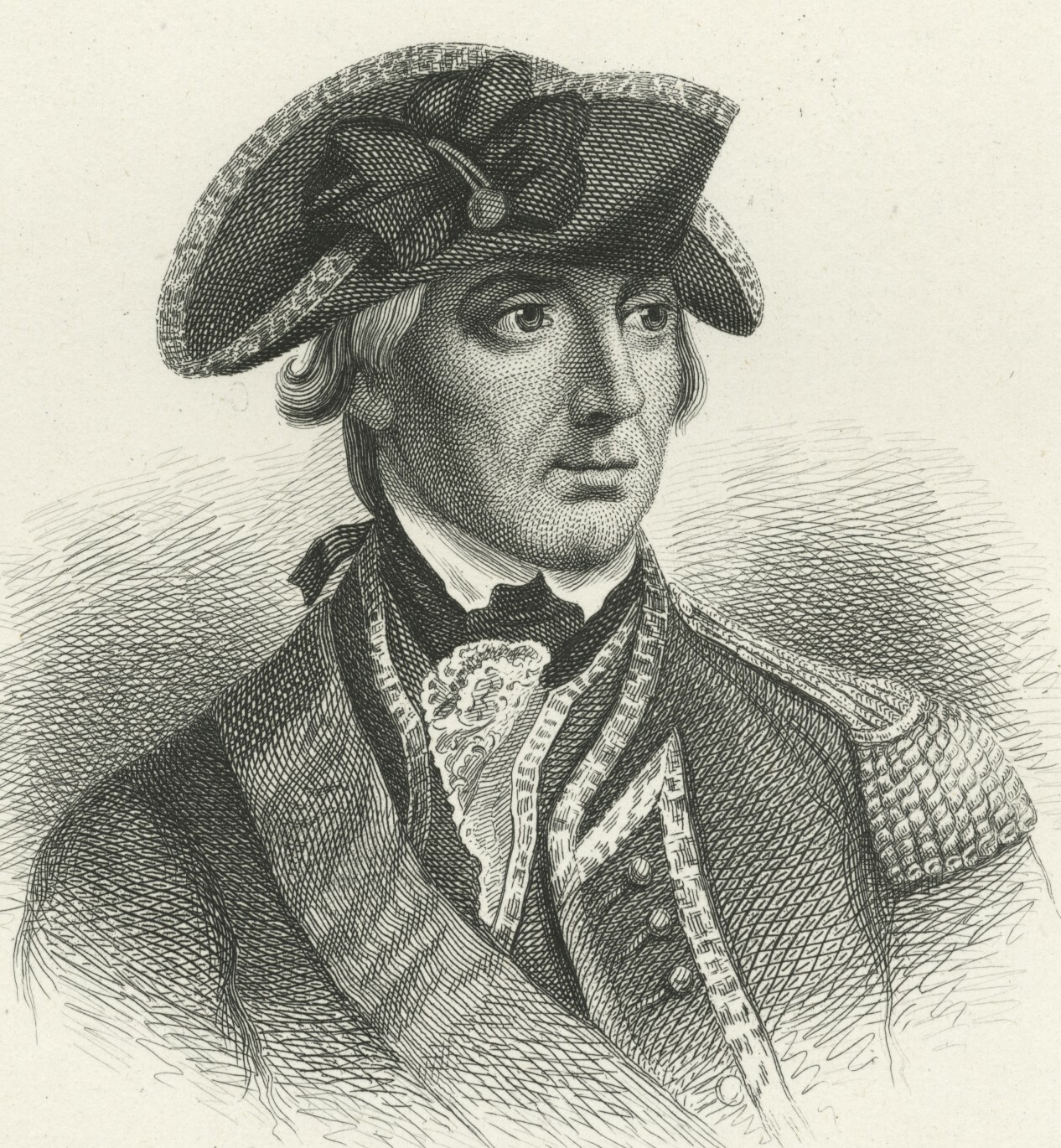
🇬🇧 🇺🇸 **On This Day In History**
On this day in 1776 the British Army led by General William Howe fought the forces of George Washington's Continental Army in the Battle of Long Island.
#History #UK #UnitedKingdom #USA #US #UnitedStates
#Image attribution: Henry Bryan Hall, Public domain, via Wikimedia Commons. Page URL: https://commons.wikimedia.org/wiki/File:Gen._Sir_William_Howe.jpg.
Not a bot just a chap in his fifties who occasionally reads things.
Toots are humanities, science, non-fiction, books, maps, charts and graphs related. Some toots containing videos may also find their way into the timeline.
Toots or follows or boosts or mentions ≠ endorsements of any particular notion or notions.
Finis
Joined Nov 2022
