

🎓 Doc Freemo  🇳🇱
@freemo@qoto.org
🇳🇱
@freemo@qoto.org
- UFoI Member
- http://UFoI.org/u/freemo/
- Website
- http://JeffreyFreeman.me
- Gitlab
- https://git.qoto.org/freemo
Admin
Jeffrey Phillips Freeman
Innovator & Entrepreneur in Machine Learning, Evolutionary Computing & Big Data. Avid SCUBA diver, Open-source developer, HAM radio operator, astrophotographer, and anything nerdy.
Born and raised in Philadelphia, PA, USA, currently living in Utrecht, Netherlands, USA, and Thailand. Was also living in Israel, but left.
Pronouns: Sir / Mister
(Above pronouns are not intended to mock, i will respect any persons pronouns and only wish pronouns to show respect be used with me as well. These are called neopronouns, see an example of the word "frog" used as a neopronoun here: http://tinyurl.com/44hhej89 )
A proud member of the Penobscot Native American tribe, as well as a Mayflower passenger descendant. I sometimes post about my genealogical history.
My stance on various issues:
Education: Free to PhD, tax paid
Abortion: Protected, tax paid, limited time-frame
Welfare: Yes, no one should starve
UBI: No, use welfare
Racism: is real
Guns: Shall not be infringed
LGBT+/minorities: Support
Pronouns: Will respect
Trump: Moron, evil
Biden: Senile, racist
Police: ACAB
Drugs: Fully legal, no prescriptions needed
GPG/PGP Fingerprint: 8B23 64CD 2403 6DCB 7531 01D0 052D DA8E 0506 CBCE
Joined Jul 2018
Which program language would most excite you to want to contribute to an open-source project, all else being equal?
#programming #software #softwareengineering #ruby #haskell #java #python #science
Space suits dont have to be bulky:
https://en.wikipedia.org/wiki/Mechanical_counterpressure_suit
testing one-way QOTO to twitter cross-posting to
🎓 Doc Freemo 🇳🇱
boosted
🇳🇱
boosted

FlightGear is a free, open-source, cross-platform flight simulator.
https://www.flightgear.org
Mac download is 1.8 gigs, expanding to 2.72 gigs. Waiting for that expansion as I type this.
https://www.flightgear.org
Mac download is 1.8 gigs, expanding to 2.72 gigs. Waiting for that expansion as I type this.
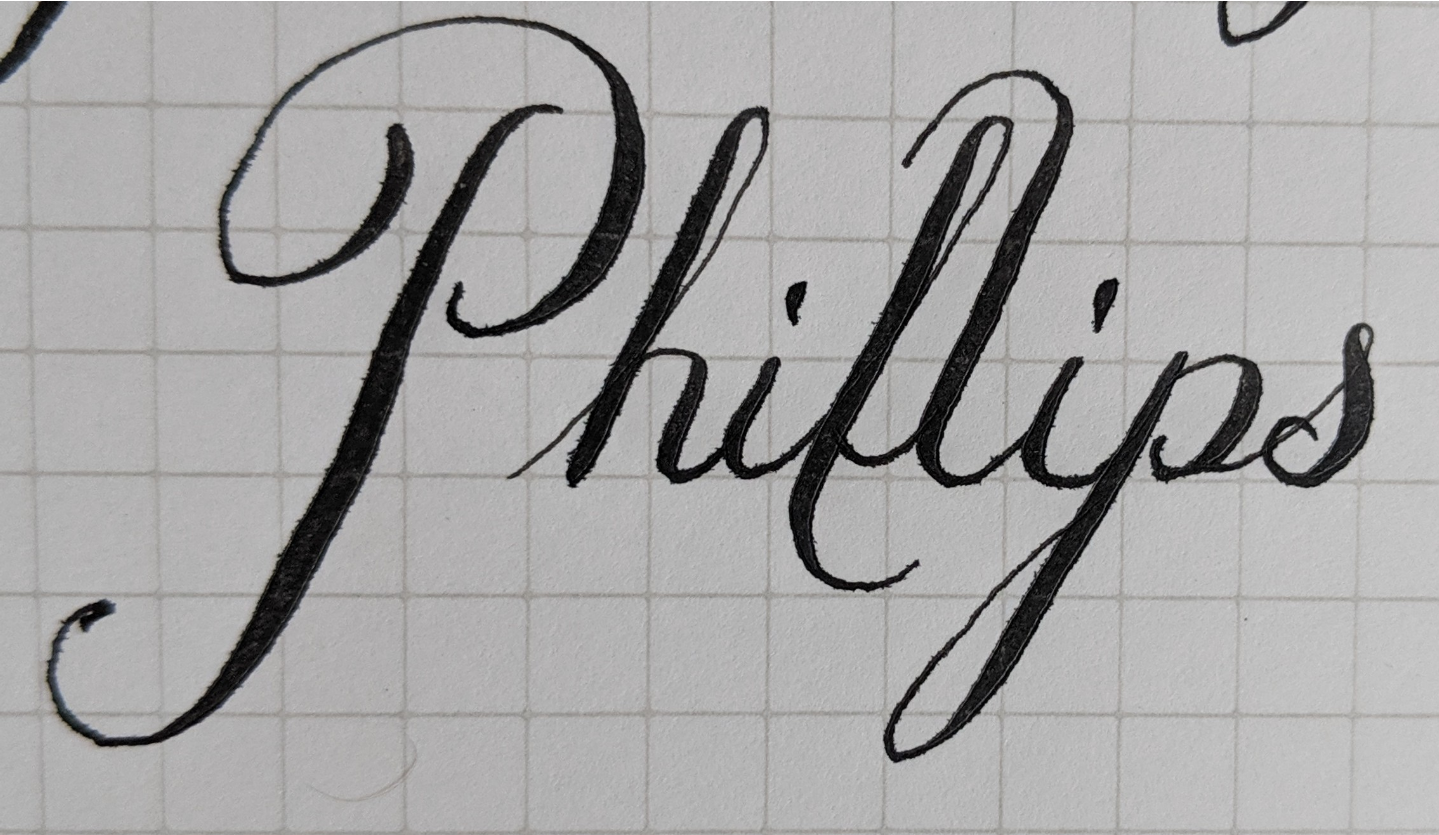
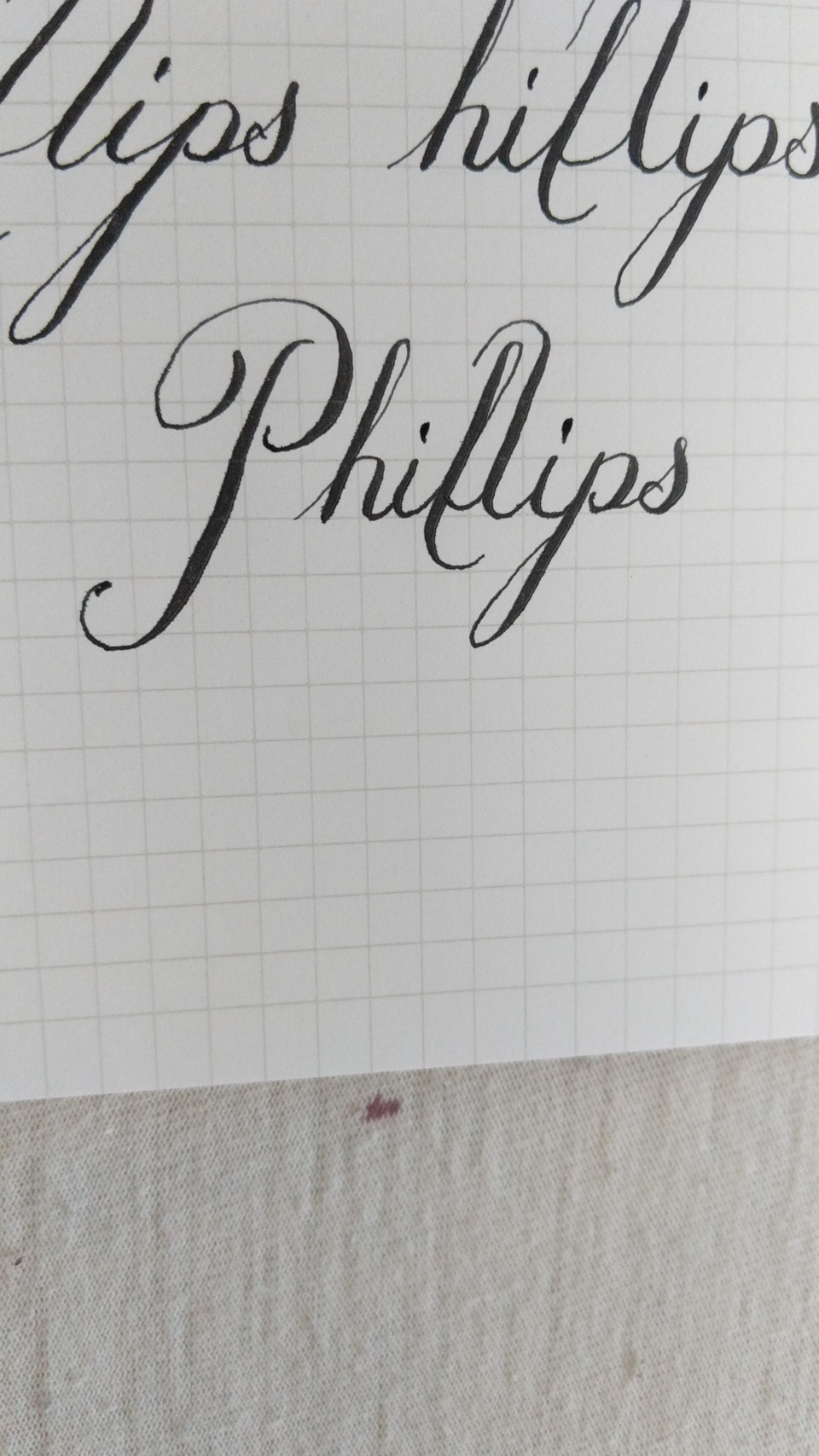
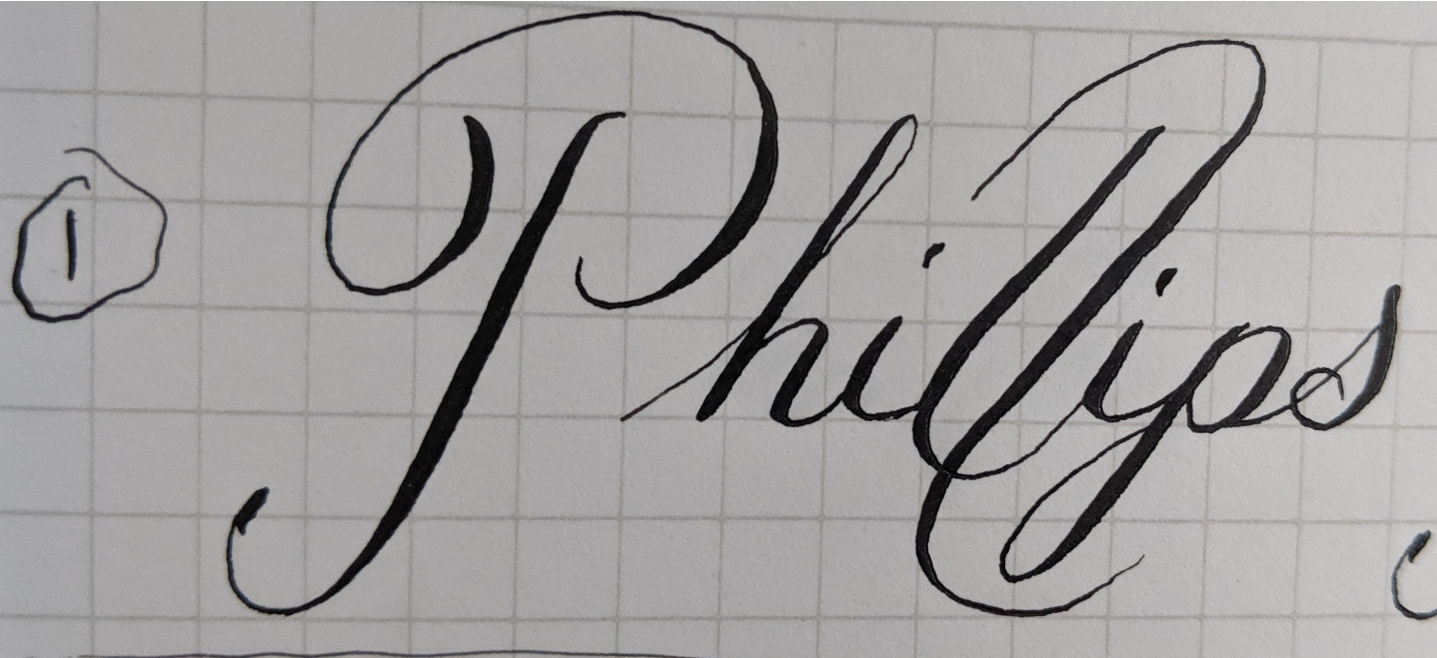
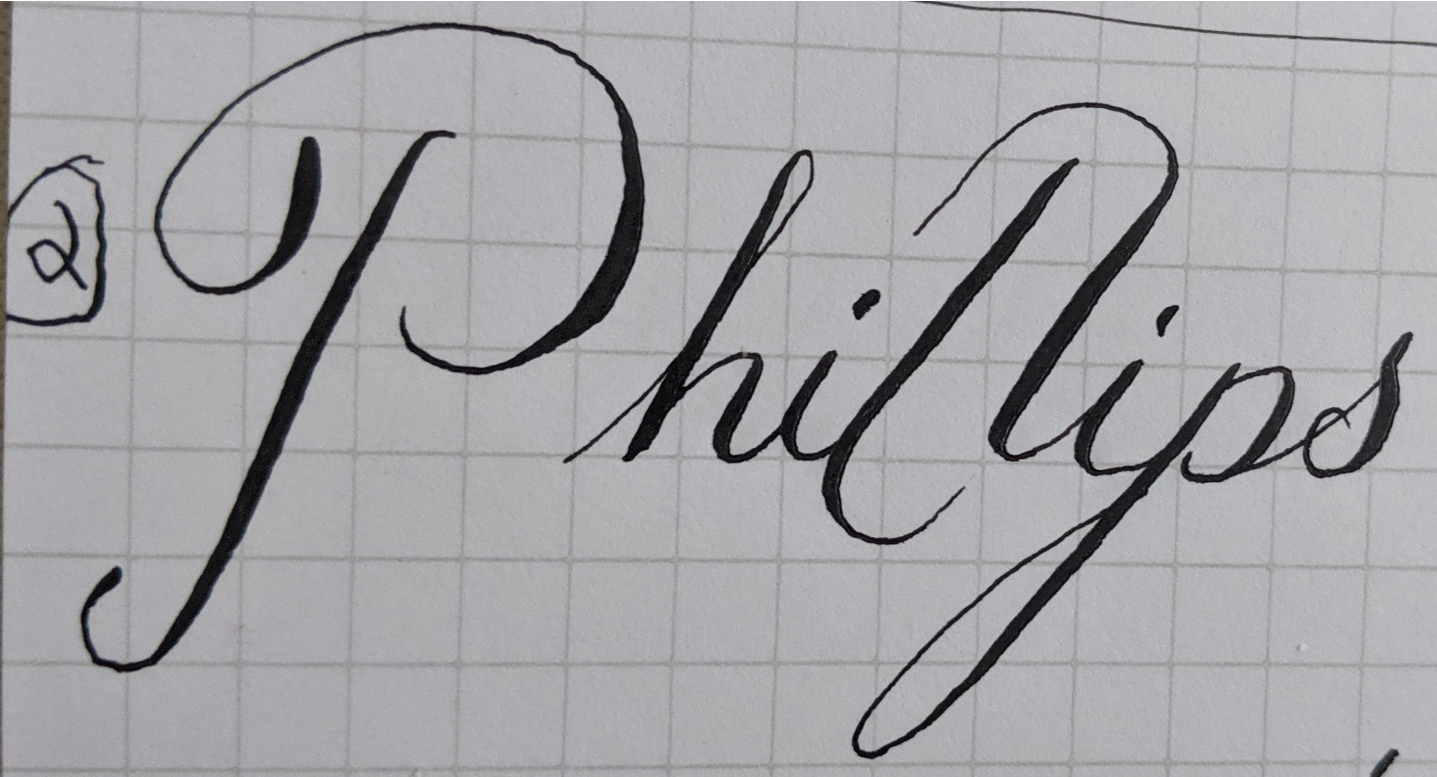
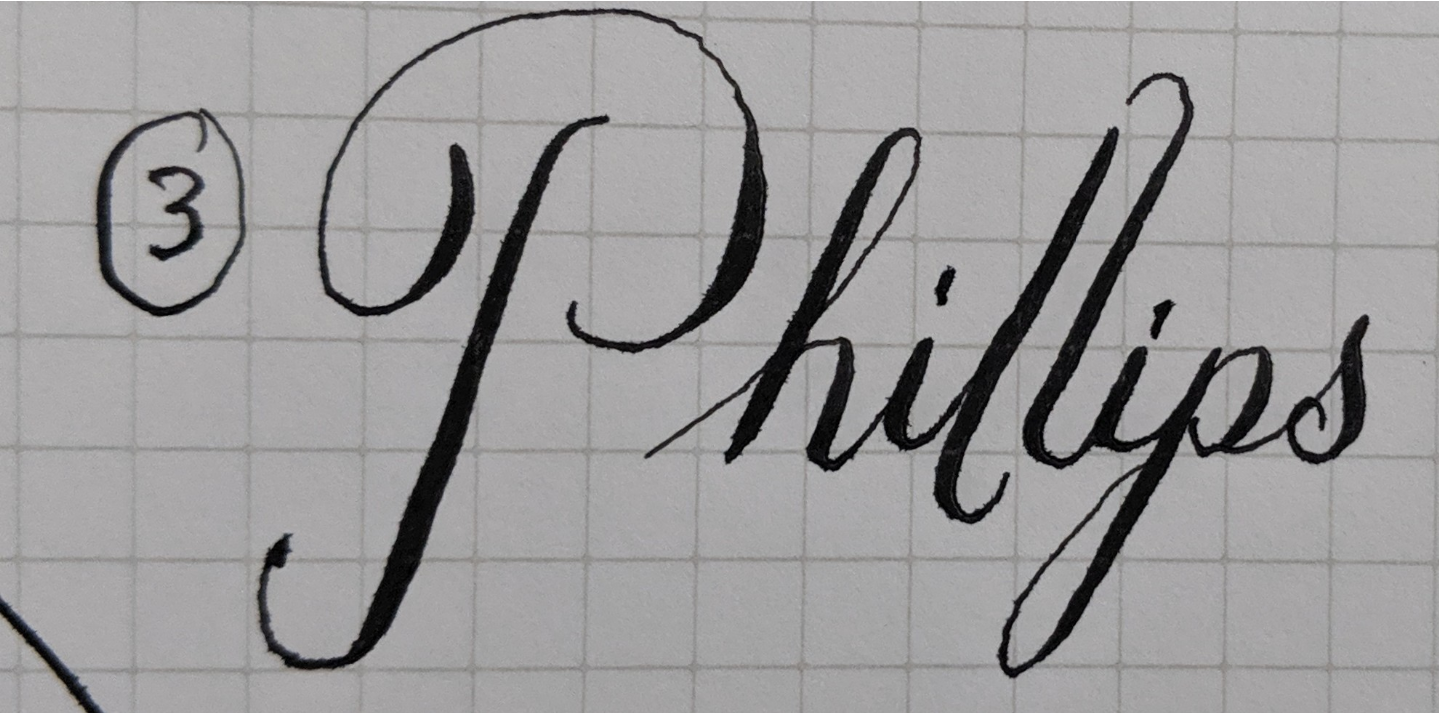
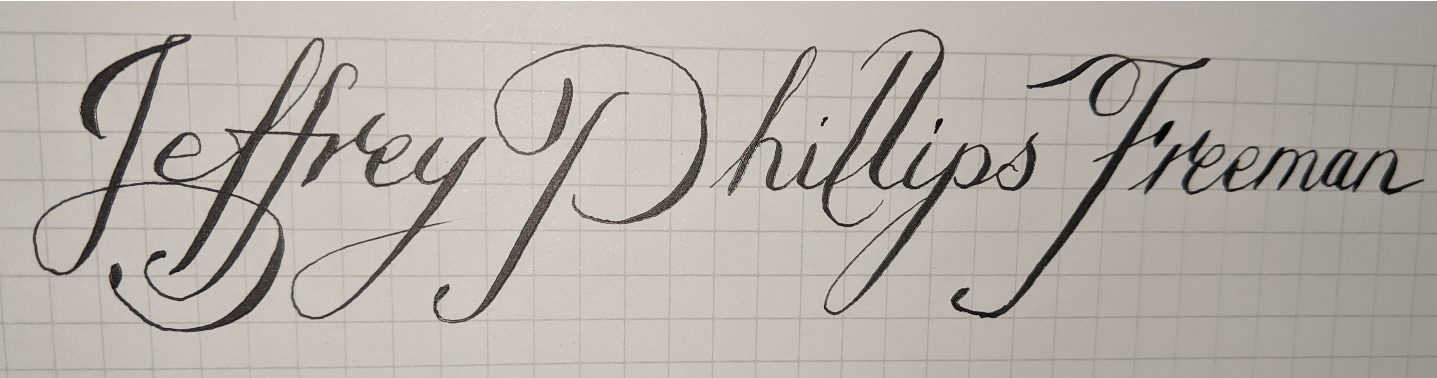
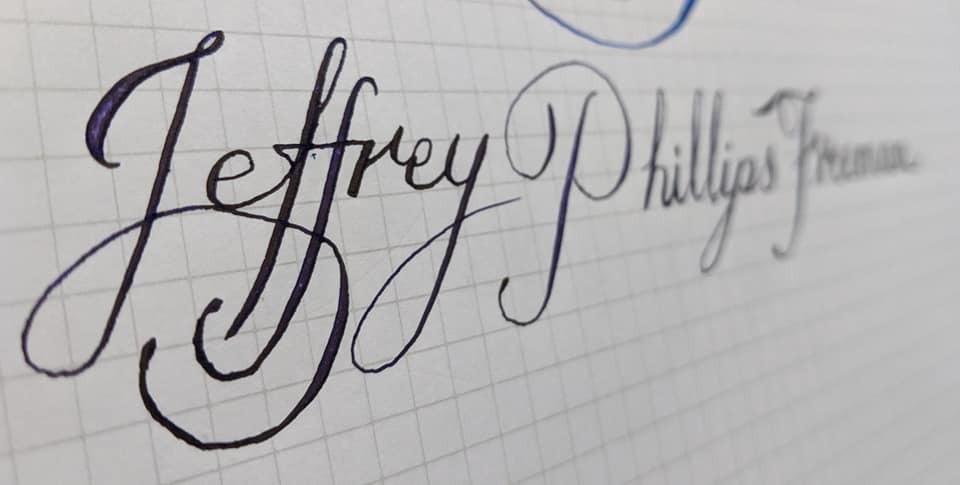
So after some tweaking and cleaning I think I'm going with this version for my middle name
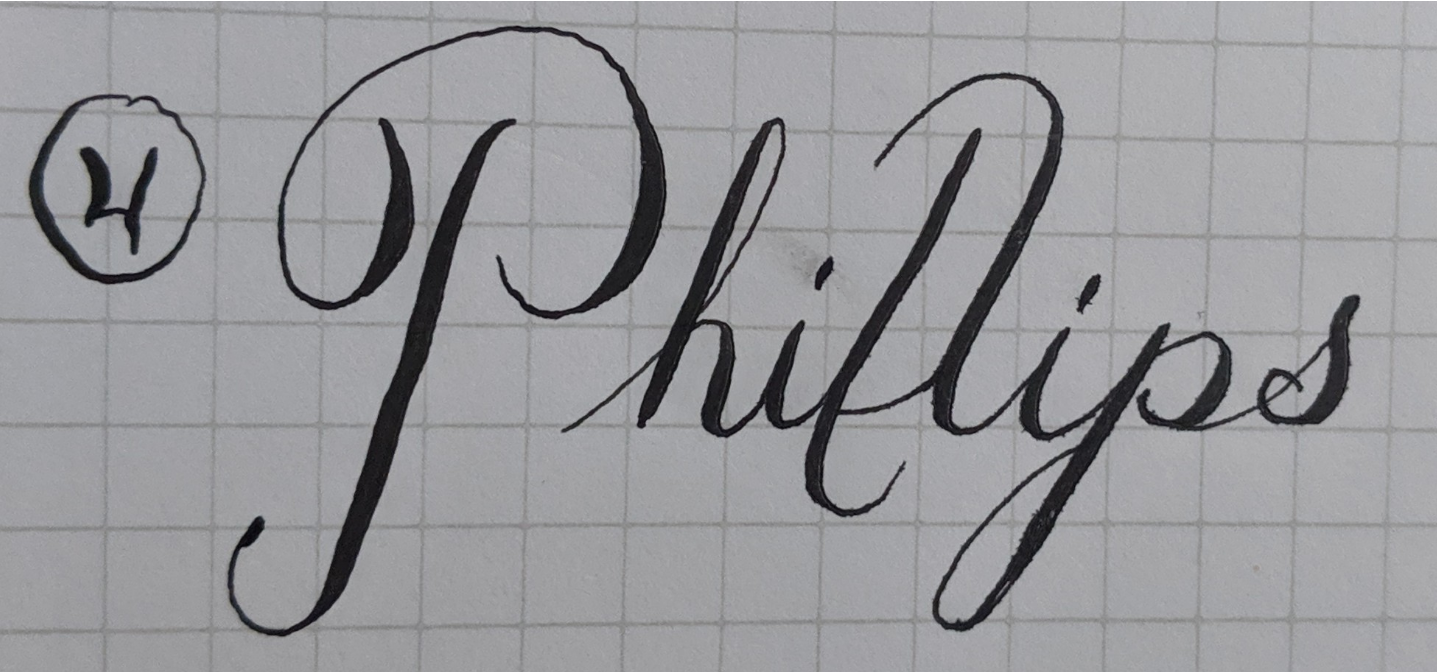
After a bit more practice and tweaking this is what I agot out of the #4 stylization
Not a perfect signature or example but I'd love to hear everyone's opinion on the new double-L style I'm playing with. Love or hate? Also I'd love to see any suggestions anyone has for alter active double L stylizations.
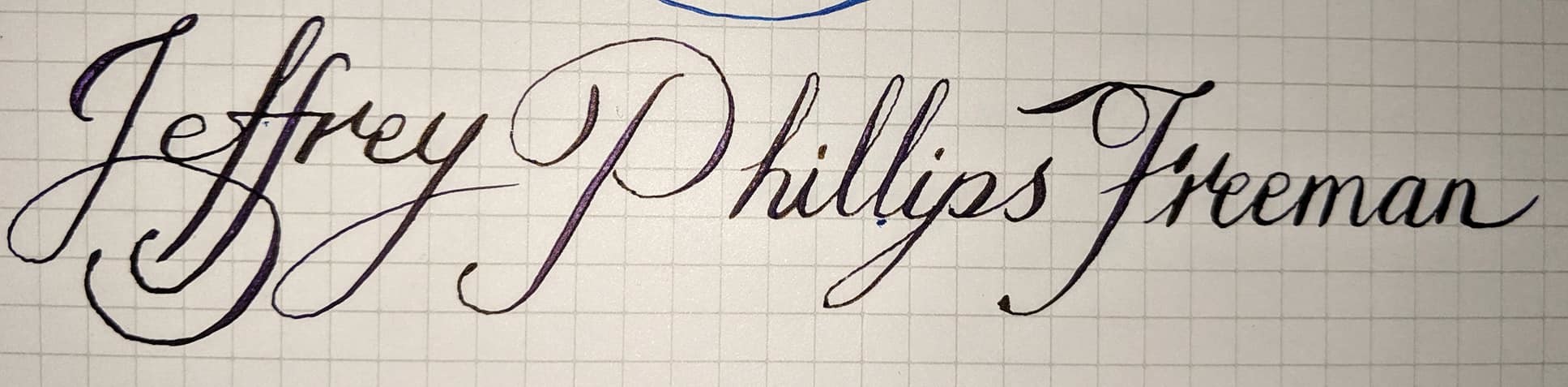
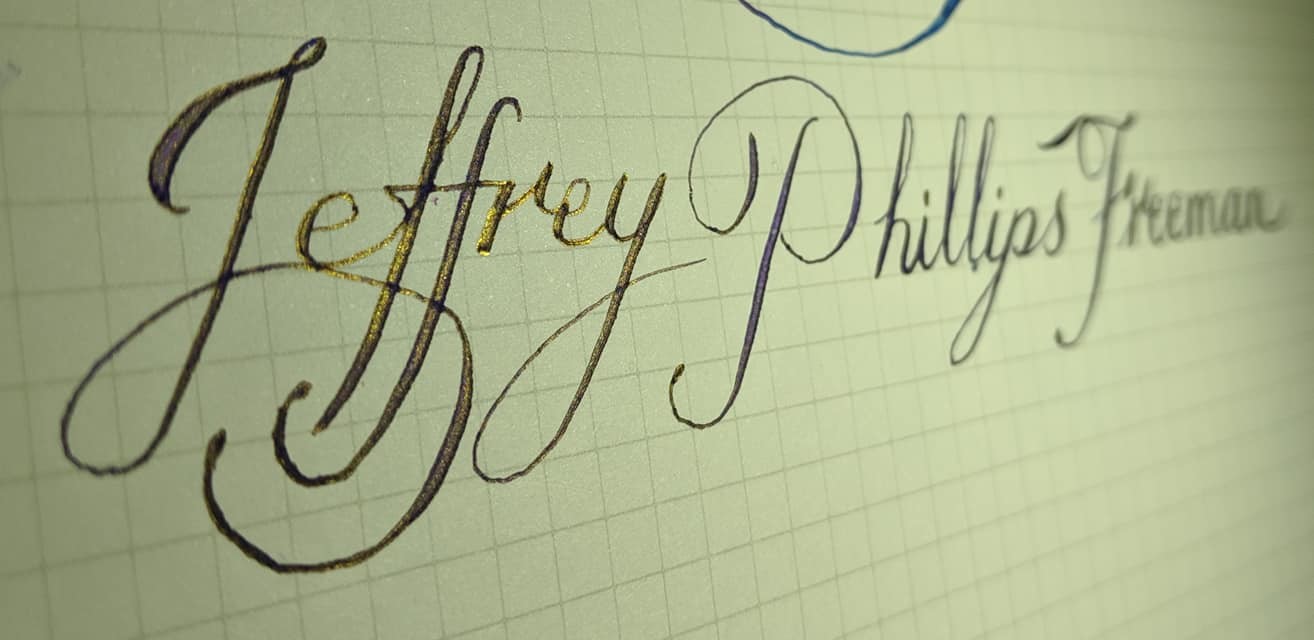
I really can't get enough of this ink. It looks like an unassuming purple-black ink most of the time but if the light hits it on an angle it suddenly becomes gold. It has no sparkles or flecks in it though.
This was written with my vintage franken-pen. It uses a 114 year old Waterman's Ideal #2 nib in a TWSBI Diamond with a new customized ebonite feed. The ink is Diamine's Phillip ink.
🎓 Doc Freemo 🇳🇱
boosted
🇳🇱
boosted

@Absinthe @freemo
My Elm solution. Change the input sequence of numbers from 1 to 9, and the count plus all the possible decodings will be output instantly.
https://ellie-app.com/6Q5BTjx8CGta1
#toyprogrammingchallenge
My Elm solution. Change the input sequence of numbers from 1 to 9, and the count plus all the possible decodings will be output instantly.
https://ellie-app.com/6Q5BTjx8CGta1
#toyprogrammingchallenge
🎓 Doc Freemo 🇳🇱
boosted
🇳🇱
boosted

Octave solution
Linear in time and space by taking advantage of the Fibonacci numbers.
function count = interpretations(string)
ambig = string(1:end-1) == '1' | (string(1:end-1) == '2' & string(2:end) <= '6');
ambig &= string(1:end-1) ~= '0' & string(2:end) ~= '0' & [string(3:end) '1'] ~= '0';
ambig = [false ambig false];
consec = find(ambig(1:end-1) & !ambig(2:end)) - find(!ambig(1:end-1) & ambig(2:end));
fibo = zeros(max(consec), 1);
fibo(1:2) = [2 3];
for i = 3:max(consec)
fibo(i) = fibo(i - 1) + fibo(i - 2); end;
count = prod(arrayfun(@(x)fibo(x), consec)); end;
@Absinthe BTW i intentionally chose to list them not count them. I could probably optimize further if I counted only.
This was a really fun programming challenge originally proposed by @Absinthe I want to paste it here, along with my solution, so everyone who is interested can check it out.
Here is the link to his original post: https://qoto.org/@Absinthe/102895801091007015
#toyprogrammingchallenge
Another Freebie...
This problem was asked by Facebook.
Given the mapping a = 1, b = 2, ... z = 26, and an encoded message, count the number of ways it can be decoded.
For example, the message '111' would give 3, since it could be decoded as 'aaa', 'ka', and 'ak'.
You can assume that the messages are decodable. For example, '001' is not allowed.
Here is the link to my solution: https://qoto.org/@freemo/102898629821739556
My solution. This should be a somewhat space-optimized solution in ruby based off the modified concept of a Trie.
https://git.qoto.org/snippets/4
If i made this into a Radix Trie by compressing nodes with single children down I could reduce this further.
But since it does work I thought I'd share it as is. I'll update everyone if i decide to finish optimizing this particular solution.
It does however do a fairly decent job at compressing the tree by making sure no subtree is a duplicate of any other part of the tree (a node of any specific length/id will be the only node with that length.
For clarity I attached a picture from my notes of what the Trie would look like for the encoded string "12345" where the value inside each circle/node is the "length" value of that node, and the value attached to an arrow/vector/edge is the "chunk" associated with that link. The end result is any path from the minimum node (0) to the maximum node (5). This diagram does not include incomplete paths which my program does right now.
Incomplete paths can also be trimmed to further reduce the space. But since incomplete paths each add only a single leaf node to the tree, and might be useful for various use cases I decided to keep it.
🎓 Doc Freemo 🇳🇱
boosted
🇳🇱
boosted
@Absinthe My solution. This should be a somewhat space-optimized solution in ruby based off the modified concept of a Trie.
https://git.qoto.org/snippets/4
If i made this into a Radix Trie by compressing nodes with single children down I could reduce this further.
But since it does work I thought I'd share it as is. I'll update everyone if i decide to finish optimizing this particular solution.
It does however do a fairly decent job at compressing the tree by making sure no subtree is a duplicate of any other part of the tree (a node of any specific length/id will be the only node with that length.
For clarity I attached a picture from my notes of what the Trie would look like for the encoded string "12345" where the value inside each circle/node is the "length" value of that node, and the value attached to an arrow/vector/edge is the "chunk" associated with that link. The end result is any path from the minimum node (0) to the maximum node (5). This diagram does not include incomplete paths which my program does right now.
Incomplete paths can also be trimmed to further reduce the space. But since incomplete paths each add only a single leaf node to the tree, and might be useful for various use cases I decided to keep it.
🎓 Doc Freemo 🇳🇱
boosted
🇳🇱
boosted

#toyprogrammingchallenge
Another Freebie...
This problem was asked by Facebook.
Given the mapping a = 1, b = 2, ... z = 26, and an encoded message, count the number of ways it can be decoded.
For example, the message '111' would give 3, since it could be decoded as 'aaa', 'ka', and 'ak'.
You can assume that the messages are decodable. For example, '001' is not allowed.
🎓 Doc Freemo 🇳🇱
boosted
🇳🇱
boosted

🎓 Doc Freemo 🇳🇱
boosted
🇳🇱
boosted

Americans Spent More on Taxes in 2018 Than on Food, Clothing and Health Care Combined
🎓 Doc Freemo 🇳🇱
boosted
🇳🇱
boosted

#WSJ #Tiananmen
'I'm Still Angry,' A Tiananmen Survivor Confronts Painful Memories | WSJ
https://www.youtube.com/watch?v=mXqLLWl8X34
🎓 Doc Freemo 🇳🇱
boosted
🇳🇱
boosted



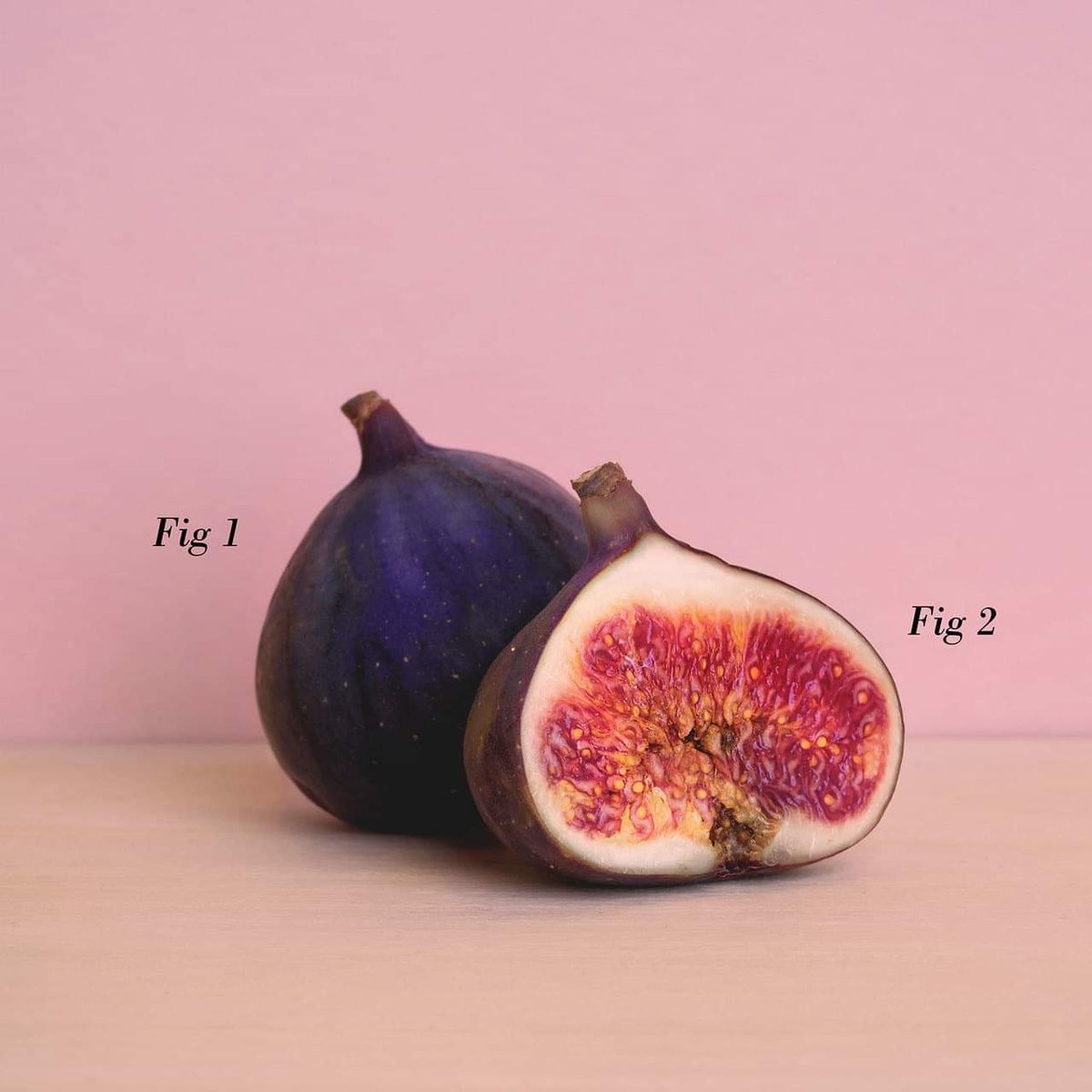
RT @FungalSquirrel@twitter.com
Wife sent me this fig and asked if scientists would find it funny.
I dunno about you, but I giggled until I wheezed.
- UFoI Member
- http://UFoI.org/u/freemo/
- Website
- http://JeffreyFreeman.me
- Gitlab
- https://git.qoto.org/freemo
Admin
Jeffrey Phillips Freeman
Innovator & Entrepreneur in Machine Learning, Evolutionary Computing & Big Data. Avid SCUBA diver, Open-source developer, HAM radio operator, astrophotographer, and anything nerdy.
Born and raised in Philadelphia, PA, USA, currently living in Utrecht, Netherlands, USA, and Thailand. Was also living in Israel, but left.
Pronouns: Sir / Mister
(Above pronouns are not intended to mock, i will respect any persons pronouns and only wish pronouns to show respect be used with me as well. These are called neopronouns, see an example of the word "frog" used as a neopronoun here: http://tinyurl.com/44hhej89 )
A proud member of the Penobscot Native American tribe, as well as a Mayflower passenger descendant. I sometimes post about my genealogical history.
My stance on various issues:
Education: Free to PhD, tax paid
Abortion: Protected, tax paid, limited time-frame
Welfare: Yes, no one should starve
UBI: No, use welfare
Racism: is real
Guns: Shall not be infringed
LGBT+/minorities: Support
Pronouns: Will respect
Trump: Moron, evil
Biden: Senile, racist
Police: ACAB
Drugs: Fully legal, no prescriptions needed
GPG/PGP Fingerprint: 8B23 64CD 2403 6DCB 7531 01D0 052D DA8E 0506 CBCE
Joined Jul 2018
