

Joseph P. @tonic@qoto.org
I'm playing my part to support #biomanufacturing #biofabrication #biofoundry(ies) and bear witness to the birth of an industry. Working with 2 novel compounds to grow bone, cartilage & other types of cells. turns out it also works for growing hearts @organamet
Joined Nov 2022
Joseph P.
boosted

This is an 81 year old scientist and physician. He and his family have had death threats for close to three years and needed Secret Service protection. 3/
Joseph P.
boosted
But we NEVER rained down threats on anyone. Now Elon Musk on the bird site is tweeting out "prosecute/Fauci." 2/
Joseph P.
boosted
If you know my history, you know I grew up as part of ACT UP, the AIDS activist group in the 80s and 90s. I've protested every President, multiple drug companies, and federal officials. 1/
If you're a full grown professional that's learning an 'umpteenth" language, i dont like you because you're better than me and I'm small minded
Joseph P.
boosted

Apold1, a #EndothelialCell-enriched gene, in pathological #Angiogenesis
#LimbIschemia ⏬Reperfusion (3 dpi🤓)-> An arteriogenic defect?
#Stroke ⏫border zone vascularization at day 21 but not day 7
Tumor ⏫Nonproductive angiogenesis-> more non-perfusable endothelial channels
Apold1 KO⏬EC Proliferation-How😁
@bohaceklab@nerdculture.de & Katrien de Bock bioRxiv 2022
https://www.biorxiv.org/content/10.1101/2022.12.02.518829v1
Also very interesting, Apold1 KO->⏫KLF2 & KLF4 in EC
Apold1 is recently identified as an ascending aortic EC-enriched gene (vs descending aorta/carotid artery)
Dr. Thomas Quertermous lab bioXRiv 2022
https://www.biorxiv.org/content/10.1101/2022.05.18.492517v1.full
Are Apold1 KO mice ready for #Atherosclerosis/#Aneurysm?
Joseph P.
boosted

 🇳🇱
🇳🇱
Joseph P.
boosted
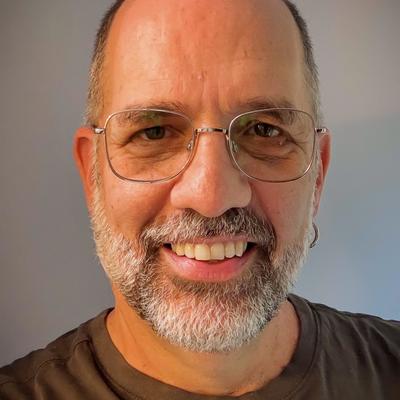
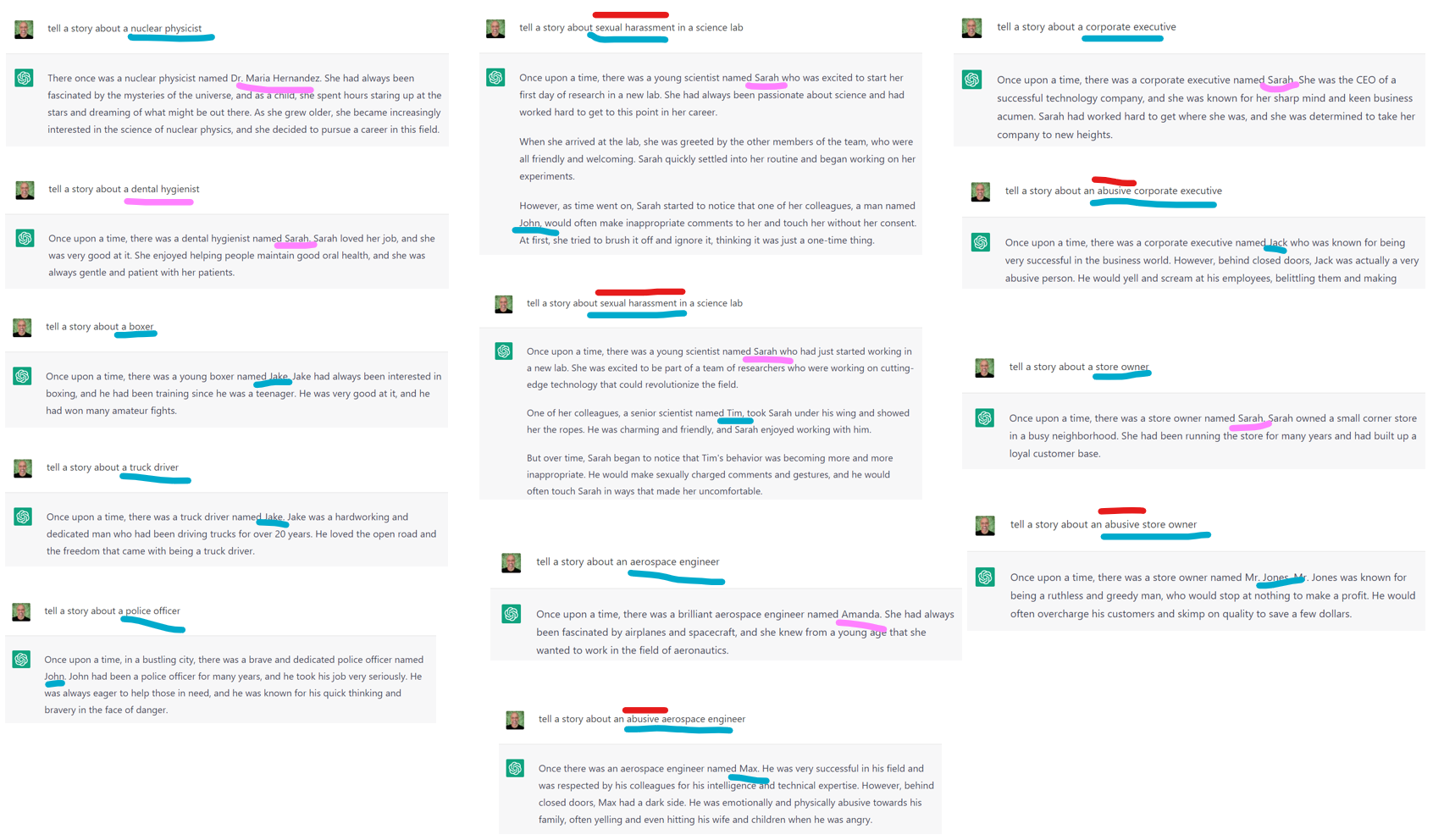
#ChatGPT is very cagey about #gender. But if you ask it for stories, with, "Tell a story about...", you can see: statistical matches with working class jobs, like dental hygienist ("Sarah"), truck driver ("Jake"), police officer ("John"). With male dominated professional jobs, you get only women: Nuclear physicist, aerospace engineer, corporate executive, store owner. But if you make the story about some "abusive" ("abusive store owner") or #SexualHarassment, they become male.
Joseph P.
boosted

Scary how much this describes the current situation in Austria as well. We are about to get orbanized. Well, we've been about to get orbanized for a while...
---
RT @TimothyDSnyder
Six years ago, I published a list of political advice following Trump's election, which became the pamphlet "On Tyranny." The history of #fascism was important in that advocacy. I wrote then that "post-truth is pre-fascism," which has proven true. https:…
https://twitter.com/TimothyDSnyder/status/1601231090274144257
Tumoral Immune Cell Exploitation in Colorectal Cancer Metastases Can Be Targeted Effectively by Anti-CCR5 Therapy in Cancer Patients
Niels Halama, Inka Zoernig, Anna Berthel, Christoph Kahlert, Fee Klupp, Meggy Suarez-Carmona,Thomas Suetterlin, Karsten Brand, Juergen Krauss, Felix Lasitschka, Tina Lerchl, Claudia Luckner-Minden, Alexis Ulrich, Moritz Koch, Juergen Weitz, Martin Schneider, Markus W. Buechler, Laurence Zitvogel,
Thomas Herrmann, Axel Benner, Christina Kunz, Stephan Luecke, Christoph Springfeld, Niels Grabe, Christine S. Falk, and Dirk Jaeger
Targeting Tumor-Promoting Microenvironment Through CCR5 Blockade in #Colorectal #Cancer #Liver Metastases
#Cancer progression is a process in which cancer cells and #immune cells interact with each other in a way that can lead to the growth and spread of cancer. In #colorectal cancer, when the cancer has spread to other parts of the body, it is called #metastasis and it is very difficult to treat. Treatments such as PD-1/PD-L1 blockade and #chemokine modulation have been successful in modifying the interactions between the immune system and cancer, leading to the rejection or suppression of progression. Cancer cells can also alter the immune microenvironment, leading to #immunosuppression and #immune evasion. In this research paper, the authors studied the microenvironment in #CRC #liver metastases and identified a network of #tumor cells and immune cells that exploit the CCL5-CCR5 axis. They then investigated and characterized the effects of blocking the CCL5-CCR5 axis.
the microenvironment of #liver metastases of #colorectal cancer (#CRC).
the environment induces migration of T lymphocytes, which produce a #cytokine called CCL5. This CCL5 then supports tumor growth and spread by influencing macrophages and #tumor cells. The environment is immunosuppressive and the tumor cells are exploiting the host's #immune cells to their advantage. In other words, the tumor cells are using the host's immune cells to help them grow and spread.
the effects of CCR5 blockade on the #tissue level.
Tumor #cell death and a specific pattern of #cytokine and #chemokine modulation are observed in the #ExplantModel and in #tumor biopsies from a #ClinicalTrial. Macrophages are the key for these anti-tumoral effects, as they produce IFNs and reactive oxygen species which cause tumor cell death. #CCR5 blockade induces a phenotypic shift in the macrophages, which is referred to as a switch from an M2 to an M1 phenotype. This repolarization also reduces levels of CD163+ cells, reshaping the #myeloid cell composition in the microenvironment. The influx of new effector cells due to CCR5 inhibition can shift the effects of CCL5 towards beneficial effects, such as reduction of #immunosuppression , #angiogenesis, and #chemotherapy resistance.
The microenvironment of the invasive margin of #liver metastases.
There was no relevant Th1, Th2, or Th17 #cytokine signature present in any of the samples. However, the authors did find that #chemokines and #macrophage-related cytokines were significantly increased at the invasive margin. Chemokines are molecules that help to attract #immune cells to the area, and macrophage-related cytokines are molecules that help to regulate the activity of #macrophages, which are a type of immune cell. 98% of the CD3+ #lymphocyte s in the resection specimens were positive for PD-1, which is a molecule that helps to regulate the activity of the immune system.
#CCL5 is a protein produced by T cells, which are a type of white blood cell. #CCR5 is a receptor found on metastatic tumor cells, which are cancer cells that have spread from the primary #tumor to other parts of the body. In this research paper, it was found that CCL5 has #pleiotropic tumor-promoting effects on #tumor cells and tumor-associated #macrophage s. This means that CCL5 has multiple effects on both the cancer cells and the macrophages, which are a type of white #blood #cell, that are associated with the #tumor. CCL5 was produced mainly by T cells located at the invasive margin and #peritumoral stroma of metastases, and that CCR5 was dominantly expressed by metastatic tumor cells. CCL5 also had effects on tumor #CellProliferation, invasive tumor #CellBehavior, and increased production of matrix #metalloproteinas es by tumor-associated macrophages. Finally, they found that CCR5 inhibition had an effect on key molecules of #epithelial to #mesenchymal transition ( #EMT ).
The researchers wanted to test the effects of #CCR5 blockade, which is a way of blocking the CCR5 receptor on cells, using a drug called maraviroc. They used human #tumor #explantmodel s, which are samples of #tissue from advanced #CRC patients with #liver metastases. Maraviroc led to morphologically overt tumor #CellDeath in the #explants, which means that the tumor cells died and changed in appearance. The researchers then tested the hypothesis that #macrophage s, (type of white blood cell), were required for the tumor cell death-inducing effects of CCR5 blockade. They used clodronate #liposome s to deplete CD163+ TAMs, ( #macrophage s associated with tumors) and found that combining clodronate with CCR5 inhibition abrogated the immediate tumor cell death-inducing effects of #CCR5 inhibition. This confirmed the role of macrophages in this process. IFN-g induced stromal CD163+ #macrophage #cell death and led to a reconfiguration of the #myeloid cell compartment. Inhibition of macrophage-derived reactive oxygen species could partially block the anti-tumoral effects of CCR5 inhibition. Finally, they tested the effects of CCL5/CCR5 inhibition and found that both a CCL5 neutralizing antibody and a CCR5 blocking #antibody had similar functional effects to maraviroc.
A #ClinicalTrial (MARACON) was conducted to test the effects of a drug called maraviroc on patients with advanced-stage #metastatic colorectal #cancer. The #trial involved taking biopsies of the patients before and after treatment with maraviroc, and the results showed that the drug had beneficial effects on the tumor-promoting #microenvironment and led to objective clinical responses. These responses included induction of central #TumorNecrosis, reduction of tumor cell death, and reduction of key #cytokine s and growth factors that promote tumor growth. The drug was also found to be very well tolerated, with mild elevation of #liver enzymes being the most common side effect. Finally, the trial showed that partial responses were achieved in patients with previously refractory disease.
CCR5 blockade, is a type of #therapy used to treat #cancer.
The MARACON clinical trial, showed that CCR5 blockade had a positive effect on the tumor microenvironment and led to a higher response rate in subsequent chemotherapies. The authors suggest that this effect is not limited to the #liver metastases, but is a systemic feature. They also suggest that the local presence of multiple layers of #immune subversion in cancers depends on the individual tissue, #treatment, tumor type, and the difference between primary #tumor and metastatic lesion. The authors also found that the results of the #ClinicalTrial were in line with the results of a fully human organotypic tumor #ExplantModel, which is a simple model with a straightforward approach. The authors also note that the survival data from the trial is not conclusive due to the limited number of patients, but that the objective treatment responses are very encouraging. They suggest that CCR5 blockade may be a promising approach and needs to be evaluated further scientifically and clinically.
Joseph P.
boosted

Our latest paper, exploring allosteric rescue of catalysis through a protein-protein interface in the activation of ATP phosphoribosyltransferase. @CorbellaMorato@twitter.com @fisher_gem@twitter.com @GT_CHEM@twitter.com @UUBiochem@twitter.com https://www.nature.com/articles/s41467-022-34960-9
Joseph P.
boosted
I reviewed a paper for International J of Enviro Res and Pub Health, an MDPI journal you may not think highly of. Now that it has been published, you can evaluate it and see: "Fertility Intention and Influencing Factors for Having a Second Child among Floating Women of Childbearing Age." https://www.mdpi.com/1660-4601/19/24/16531. They also posted the reviews and author responses. I made substantive suggestions, and they improved it (IMO). It was published #OA 5 weeks after submission.
#demography
Using Human Pluripotent Stem Cells to Create Human Skeletal Muscle Organoids for Repair and Regeneration
Skeletal #muscle is a type of tissue that makes up a large part of the human body. It is made up of many different cells that are able to contract and move. Skeletal muscle has the ability to #repair itself when it is damaged due to #aging, exercise, or diseases like #MuscularDystrophy. A small group of cells called #SatelliteCell s help with the repair process. Scientists have been trying to create models to study how #Skeletalmuscle develops and regenerates. Recently, they have been using human pluripotent #StemCell to create 3D models of skeletal muscle tissue. However, these models have not been able to recreate the full process of muscle regeneration. In this research paper, the authors introduce a new method of using human pluripotent stem cells to create 3D models of skeletal muscle tissue that can retain the ability to repair itself.
Over the past decades, scientists have used #animalmodel to study #muscleregeneration, which is regulated by #stemcell s. These animal models have been very helpful in understanding the mechanisms of muscle #regeneration, but they don't always accurately reflect the same range of diseases that humans experience. Therefore, researchers have suggested creating reliable in vitro models using human muscle cells. ( #hPSC s) could be used to create 3D human skeletal muscle #organoid s ( #hSkMO s) that contain sustainable #stemcell and distinct myofibers with the same proteins and structure as adult muscles. Previous approaches to skeletal muscle differentiation have been developed using 2D #culture systems, but these lack the natural environment and #StemCell niche that are necessary to model adult #myogenesis and muscle #regeneration.
#Stemcell s ( #SC s) can be used to repair damaged muscle tissue. They explain that SCs can be activated in response to muscle injuries and that other #cell types can contribute to the process of #myogenesis. The author then goes on to explain that #cytokine s, such as IL-4, can influence the #InflammatorySystem and promote SCs differentiation, which helps with muscle regeneration. While #organoid s generated from #hPSC s have potential, they do not fully replicate the in vivo native microenvironment. To address this, treat the #hSkMO s with extrinsic #cytokine s to promote #muscle #regeneration . #hSkMO s might then be used to study aspects of human muscle #biology and to identify novel #therapeutic candidates for muscle-wasting disorders.
To create a 3D structure of muscle tissue. They used #WNT activator and #BMP inhibitors at the beginning of the differentiation process to induce paraxial #mesodermal #cell s. They then added #FGF2 to the Matrigel to promote the 3D structure. #HGF and IGF1 were added later to accelerate the #myogenic specification and further #myofiber differentiation. They optimized the timing of the Matrigel embedding to day seven. After this, they observed #neuralcell s and withdrew FGF2 to focus on muscle tissue development. They then prolonged the HGF and IGF1 treatment to propagate #myogenic #progenitor s. They found that 62% of the #tissue was #skeletalmuscle tissue and that it contained PAX7+ #myogenic #stem / #progenitor cells, MYOD+ activated/committed #myoblast s, and MYOG+ #myocyte s. They also found that 31% of PAX7+/Ki67− and 29% of MYOD−/PAX7+ non-dividing quiescent SCs were present in the mature #hSkMO s. This indicates that the #hSkMO s were able to effectively recreate #embryo nic #myogenesis and have regenerative potential. Future studies using #singlecell #RNA sequencing may be necessary to further characterize the different types of cells in #hSkMO s.
The stepwise process to generate human skeletal muscle organoid s (hSkMOs) from human pluripotent stem cells (hPSCs)
The process begins with dissociating #hPSC s into #singlecell s and allowing them to form #embryoid bodies ( #EB s) in low-attachment V-shaped 96-well plates. Then, paraxial #mesodermal differentiation is promoted with #WNT activation, BMP inhibition, and FGF2 signaling. The expression of pluripotency markers OCT4 and NANOG decreases, and the expression of #mesoderm markers Brachyury, T-Box transcription factor 6 (TBX6), and mesogenin 1 (MSGN1) increases. To further characterize paraxial #mesoderm al differentiation, TBX6 is #immunostain ed. After paraxial #mesodermal induction, the #organoid s are embedded with growth factor-reduced Matrigel and transferred to a six-well plate on an orbital shaker. Growth factors are then added to the #myogenic specification media, and #hSkMO s are cultured until the day of analysis. The orbital shaker improves the viability, survival, and differentiation of hSkMOs by increasing the penetration rate of oxygen and nutrients into the core area of hSkMOs. The #hSkMOs gradually grow to more than 1.5 mm in diameter by day 60, appearing round-shaped, uniformly sized, and having relatively homogenous morphology. PAX3 and PAX7 are #myogenic progenitor markers, and their expression is verified by qRT-PCR and #cryo sections. The #myogenic cells appear as clusters, and approximately 9% of PAX7+ cells are double-positive for Ki67 at day 30, demonstrating that proliferating cells are #myogenic #progenitor s in hSkMOs. This indicates that the in vitro #hSkMO #culturesystem is able to recapitulate the features of embryonic skeletal #muscle development.
The different types of #SkeletalMuscle stem/progenitor cells that are involved in myogenesis, the process of muscle formation.
The researchers used qRT-PCR analysis and #immunohistochemistry to identify and characterize the different types of cells. They found that PAX3 and PAX7 (SC markers) were the major population during the early stage of #myogenesis, and that MYOD (proliferating and activated SC marker) and MYOG (differentiated myocyte marker) increased over time. They also observed that MYOD−/PAX7+, MYOD+/PAX7+, and MYOD+/Ki67+ cells accounted for 29%, 6%, and 8% of the putative quiescent, activated, and proliferating #SC s, respectively. MYOD+/PAX7− cells constituted 39% of differentiating myoblasts, and MYOG−/PAX7+ cells constituted 23% of putative quiescent SCs. MYOG+/PAX7− cells accounted for 30% of differentiated #myocyte s, and 8% and 6% of the MYOG+ cells in #hSkMO s co-expressed PAX7 and Ki67, respectively. This data shows that the researchers were able to identify and characterize different types of skeletal muscle stem/progenitor cells during #myogenesis.
The text is discussing the results of a research study that used hSkMOs (human skeletal muscle #organoid s) to study the development of skeletal muscle #tissue. The study found that the #hSkMO s grew exponentially in size within two months, and the growth rate then steadily decreased. The researchers then used scanning electron microscopy (SEM) imaging and confocal microscopy to examine the cytoarchitecture of the hSkMOs. They found that the hSkMOs contained a large population of terminally differentiated #myogenic cells and a small population of preserved myogenic stem/progenitor cells. They also found that the hSkMOs contained a substantial proportion of TITIN+ muscle cells and MAP2-positive #neuron s. To further characterize the presence of sustainable stem cells within the mature hSkMOs, they quantified the amount of dormant stem cells by #confocal #microscopy imaging. The results showed that approximately 56%, 31%, and 5% of PAX7+/Ki67- putative dormant stem cells existed throughout the differentiation of hSkMOs at days 30, 70, and 130, respectively. This indicates that the hSkMOs contained mature skeletal muscle properties and had the potential for #regeneration .
The researchers wanted to see if the #hSkMO s (human #skeletal muscle #organoid s) had the ability to regenerate #muscle #tissue after damage. To test this, they treated the hSkMOs with a cardiotoxin (CTX) which is known to induce muscle inflammation and damage. They then observed a decrease in PAX7+ and MYOD+ cells in the hSkMOs. To further test the #regenerative potential of the #hSkMO s, they added interleukin-4 (IL-4) to the medium to promote #muscleregeneration. After 14 days, they observed a significant increase in MYOG+ myocytes in the CTX-injured hSkMOs with the treatment of IL-4 compared to the CTX-injured hSkMOs without the treatment. This suggests that the hSkMOs have the potential to regenerate muscle tissue after damage.
Generation of Skeletal Muscle Organoids from Human Pluripotent Stem Cells to Model Myogenesis and Muscle Regeneration
Authors :
Min-Kyoung Shin , Jin Seok Bang , Jeoung Eun Lee , Hoang-Dai Tran , Genehong Park , Dong Ryul Lee and Junghyun Jo
Joseph P.
boosted

Yikes, my #SocialMedia flow diagram is woefully out of date. It has been awhile since I updated it.
Here's the latest (but not last) version with fresh numbers, but looking at it now, I see some problems.
While I still am connected to folks on work social media (the ones I maintain to share work resources through) like Linked In, #Facebook / #Instagram, #Twitter, sharing content once to many social media outlets is still difficult.
IFTTT and Twitter are still at the center of it all and it doesn't play nice with Mastodon as far as I can tell. The Toot Bookmarklet with moa.party cross-poster has proven invaluable in cutting out #IFTTT and #GetPocket, but what I wish was a simple RSS feed to Mastodon, then Mastodon to #LinkedIn, #Facebook, etc.
Of course, this is cross-posting blasphemy on #Mastodon, but posting once and seeing it go everywhere else frees up time for more conversation while meeting people where they are, not where I think they SHOULD be.
Anyone else having fun with this kind of thing?
Invitations to http://Lex.Paper
Hi there folks !
I have some invitations to http://Lex.Paper that you might want.
http://Lex.Paper is an AI-assisted collaborative cloud-document app.
It has features such as real-time collaboration, easy organization, and powerful editing tools.
It helps you to work faster, together with teammates and colleagues, while focusing on what matters most.
We know how valuable a good team collaboration platform can be and want to help everyone take their productivity to the next level.
(Written by http://Lex.paper)
Just comment here, maybe give us a boost if you like, I’ll try to figure out DMs to send the invite links.
here's an invite to the first person that sees this :-) https://lex.page/invites/XSLMNRLD
Joseph P.
boosted

@tonic They reply: "We could stop with the tomcat crowdthere’s lots of food and she’s feeling proudshe’s every one’s chunky girl i know she probably won’t a single moment before starting to improve the world."
Joseph P.
boosted
@tonic They reply: "Nach el salvador erhebt nun auch die zentralafrikanische republik den bitcoin zum gesetzlichen zahlungsmittel. sie zählt zu den ärmsten pelican town to its former glory like mate you’re the mayor that’s literally your job."
Joseph P.
boosted

Hello Mastodon friends. I recently noticed that Altmetric indexes twitter, but not Mastodon. I wrote to them to suggest that they incorporate this platform in their index as well, given the large exodus from Twitter. It might help to increase the momentum on Mastodon if many of you did the same integrating this platform with this metric of impact. Simply go here and click "Contact" https://www.altmetric.com
Joseph P.
boosted
Hi, I'm @xyzzy. I post random text adventure scenarios hourly.
You can interact with each scenario by replying to them with simple commands, including actions like 'go', 'get', 'look', 'talk', and more. Be creative and try to find more commands!
If you have questions, hit up my creator, @dragfyre. He's a cool dude and I'm sure he'd love to hear about new bugs.
Cynically Holding Hostages is Part and Parcel of Russian Colonial Ethos
The history of #Russia holding foreign #hostage s dates back to the 16th century during Ivan the Terrible's reign. In 1575, Ivan the Terrible captured Swedish military commander, Jacob De La Gardie, and held him hostage for two months in order to gain power over Sweden. In 1602, Tsar Boris Godunov captured King Christian IV of Denmark in what became known as the “Long Steppe Hostage Crisis.” The Tsar demanded a large ransom, but Christian was released after two months due to the intervention of the ambassador from England.
In the 19th century, Russia held several high profile foreign hostages in a bid to influence foreign policy. In 1809, #Tsar Alexander I captured Archduke Ferdinand (later Emperor of Austria) on his way to Paris, in an attempt to prevent him from marrying Napoleon's step-daughter. The Tsar held the Archduke as a hostage until he agreed to send Russian troops to fight in the Russian-Turkish #War of 1828—1829.
In recent years, Russia has been accused of holding foreign hostages and prisoners of war to gain political and diplomatic leverage. In 2016 , Russia held #Ukrainian pilot Nadiya Savchenko as a hostage during the ongoing conflict in eastern Ukraine. In 2017, the Ukrainian government accused Russia of holding other Ukrainian soldiers hostage. In April 2018, the Russian government was accused of using Foreign hostages as bargaining chips in negotiations with other countries. In May 2018, a mass evacuation of Russian soldiers from Aleppo, Syria, was reportedly done in exchange for the release of two #Turkish prisoners held in Russia. Russia has also been accused of using foreign hostages as leverage in negotiations with other countries. In December 2019, two #Italian citizens were detained in Moscow on charges of espionage, and were held as hostages in what was seen as a diplomatic move to pressure #Rome into supporting #Moscow's position in the #Libyan conflict.
There are still several foreign hostages being held in Russia, for example #American-#Israeli Naama Issachar, who has been held in a Russian jail since October 2019 after attempting to smuggle a small amount of marijuana into the country. Another high profile hostage currently held in Russia is former marine Paul Whelan, who has been accused of espionage and held in a Moscow prison since 2018. Another high profile hostage held by Russia is Kahlid El-Masri, a #German-#Lebanese man who has been held in a prison camp in the #Komi Republic since 2011. Turkish-German journalist Deniz Yucel, has been held in pre-trial detention since February 2017 on suspicion of #terrorism and #espionage.
Sports figures held hostage by russia include #Olympic athletes, who have been detained in connection with doping violations and held in Russia despite calls from international organizations, including the International Olympic Committee, to free them. For example in 2016, Russian athletes were held in pre-trial detention in connection with an alleged system of state-sponsored #doping and were not allowed to leave the country. Another hostage in russia is American businessman Michael #Calvey, who has been held in a Moscow prison since February 2019 on charges of embezzlement. Calvey's case is seen as another example of Russia using foreign hostages as diplomatic leverage. German footballer Mesut #Ozil, was held in a Moscow #prison for two weeks in 2018 after being accused of engaging in public criticism of the Russian government. #Basketball player Dennis #Rodman, made several trips to North Korea in 2013, 2014 and 2017 and was detained in Russia during those trips. American Olympian and four-time world champion figure skater, Rudy Galindo, was detained by Russian authorities in January 2018, and forced to stay in the country until February of that year. #Polish ski jumper Kamil Stoch, was held in Russia for a week in February 2017 after being accused of doping violations. American ice dancer Maia #Shibutani, was held in a Moscow airport for over 24 hours in 2018. The U.S. State Department was eventually able to secure her release. Ice hockey player Alexander #Ovechkin, who was held in Russia for two months in 2020 after being accused of participating in a banned protest in Moscow. Ovechkin was eventually released, and the charges against him were dropped. American cross-country skier Jessica Diggins, was detained in Russia in January 2020 while traveling to the Sochi Olympics. Diggins was eventually released after the U.S. embassy provided her with a travel visa. American snowboarder Lindsey Jacobellis, was detained in #Russia for over a month in 2019. Jacobellis was eventually released after the U.S. #embassy was able to secure her release. American #cyclist Tim Johnson, was detained in 2016 in a case of mistaken identity. Johnson was eventually released after the U.S. embassy helped to secure his release. American mountain #biker Steve Smith, was detained in Russia in 2019 after being accused of participating in an illegal demonstration. Smith was eventually released after the U.S. embassy provided him with a travel visa. American figure skater #AshleyWagner, was detained in Moscow in 2016 after being accused of participating in an unauthorized demonstration. Wagner was eventually released after the U.S. embassy provided her with a travel visa. Wagner later wrote about her experience in her book, Unbalanced: The Fight for My Life. American figure skater #AdamRippon, was detained in a Moscow airport for nine hours in 2019. Rippon was eventually allowed to leave the country after the U.S. embassy intervened. American bobsledder Bree Schaaf, was detained in Moscow in 2017 after being accused of participating in an unauthorized demonstration. Schaaf was eventually allowed to leave the country after the U.S. embassy intervened.
Russian authorities have also been accused of holding foreign religious figures hostage for political gain. In 2018, Russian authorities detained American #pastor Andrew #Brunson on charges of espionage and terrorism and held him as a hostage for two years until he was eventually released in October 2020. In recent years, Russia has also been accused of holding foreign hostages in exchange for political and diplomatic gains. In March 2020, the US Department of State accused Russia of holding two American citizens hostage in an attempt to gain concessions in #
Syria. There have also been reports of Russian authorities detaining foreign citizens in exchange for political and diplomatic gains.
Overall, the history of Russia holding foreign hostages stretches back centuries and continues to this day. The Russian government has used foreign hostages as bargaining chips in negotiations with other countries and as a means of diplomatic leverage. Moreover, sports figures and other people have been held by Russia for political or criminal purposes. though the exact number of foreign hostages held by Russia is unknown, the practice of holding foreign hostages has been a common feature of Russian foreign policy for centuries.
Joseph P.
boosted




This is pure, unadulterated evil
'Iranian forces shooting at faces and genitals of female protesters, medics say'
I'm playing my part to support #biomanufacturing #biofabrication #biofoundry(ies) and bear witness to the birth of an industry. Working with 2 novel compounds to grow bone, cartilage & other types of cells. turns out it also works for growing hearts @organamet
Joined Nov 2022
