

tripu
boosted

Qualcomm’s new always-on smartphone camera is a #privacy nightmare
https://web.archive.org/web/20211202011309/https://www.theverge.com/22811740/qualcomm-snapdragon-8-gen-1-always-on-camera-privacy-security-concerns
tripu
boosted

"We value your privacy" = newspeak for "We live on your data"
tripu
boosted

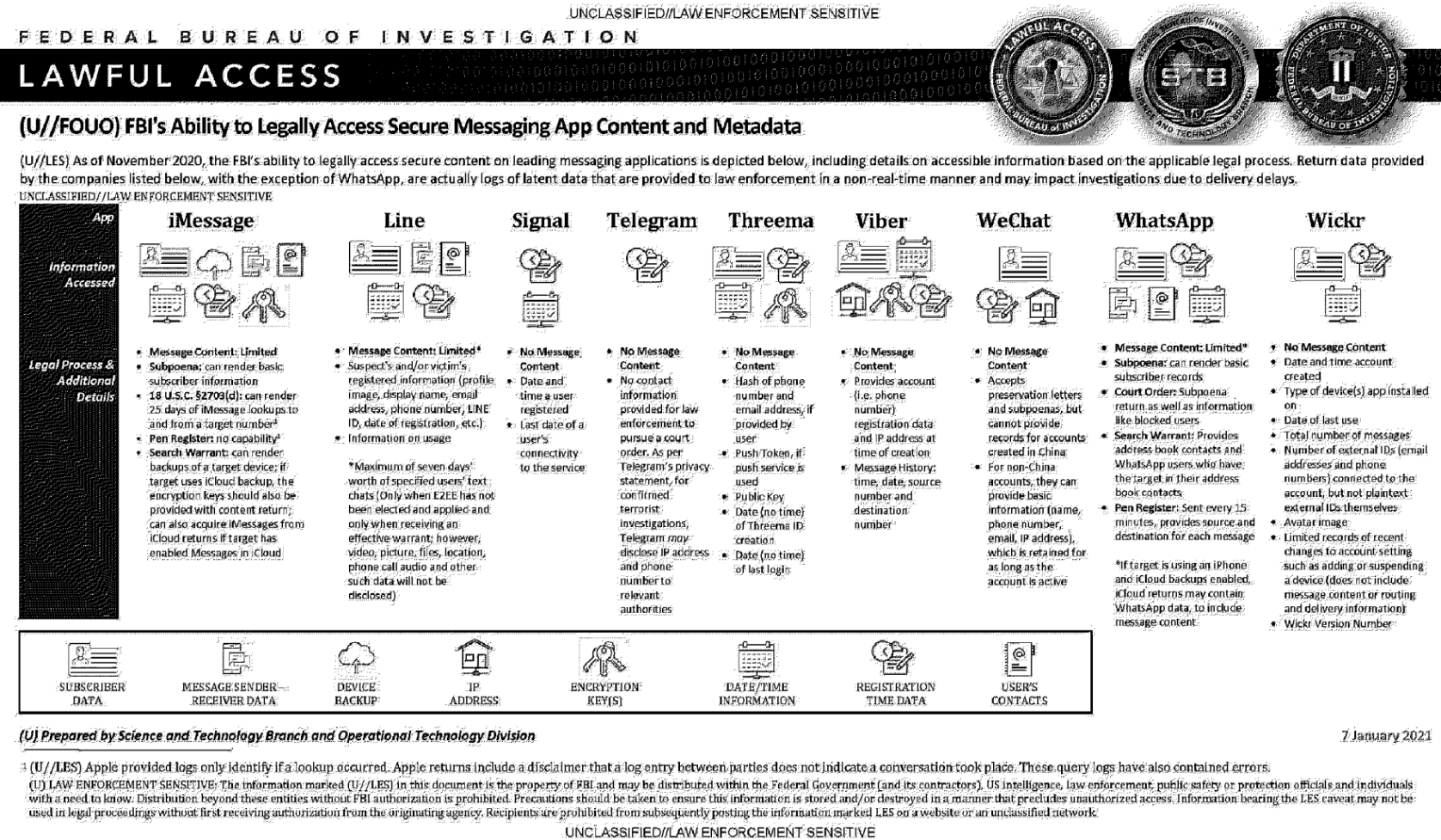
The FBI produced this nice chart comparing what kinds of privacy leaks the various messaging apps have.
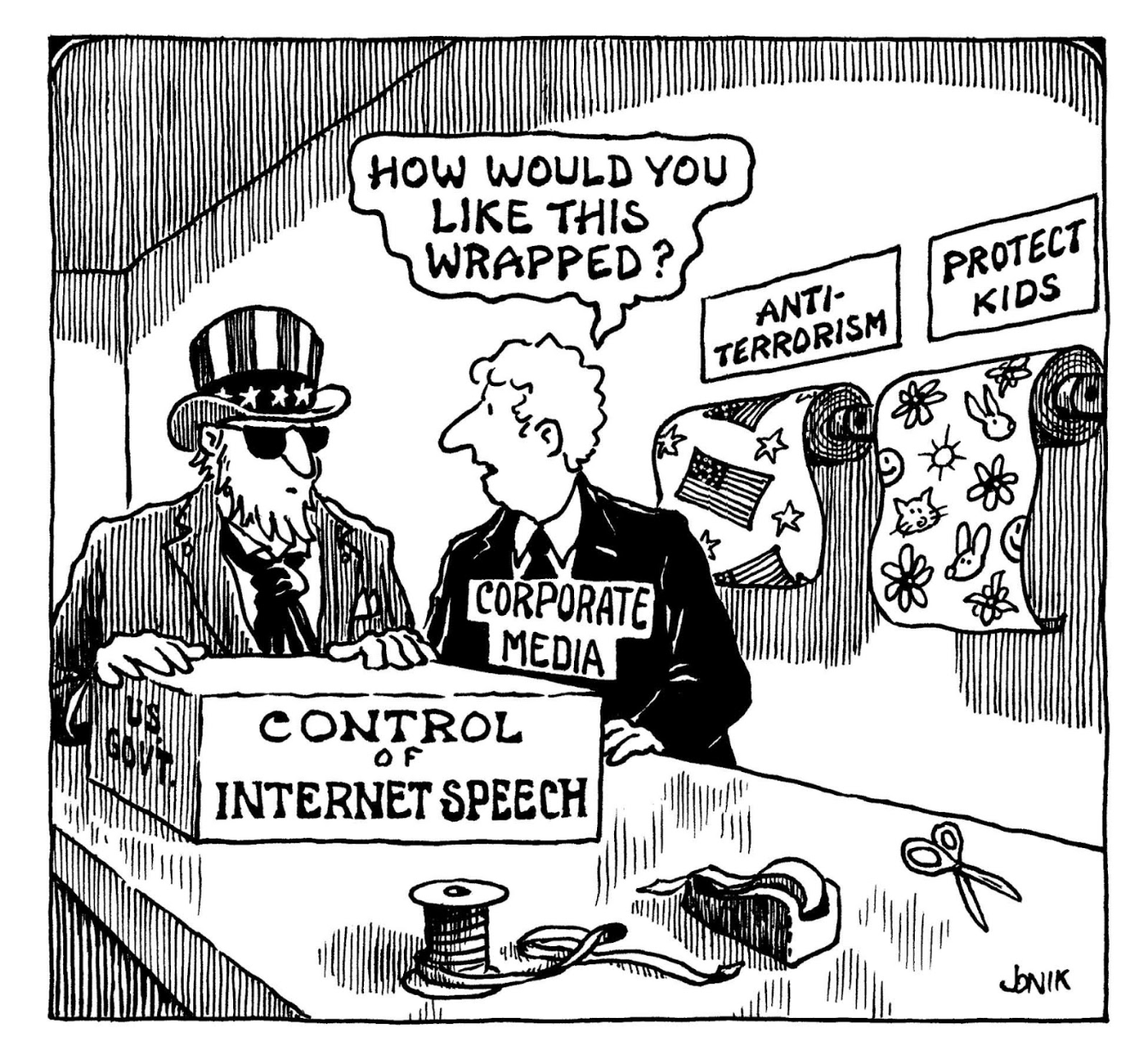
This #cartoon by #JohnJonik is the answer to so many things happening on/to the #internet. So often applicable.
https://jonikcartoons.blogspot.com/2011/09/general-cartoons.html
tripu
boosted



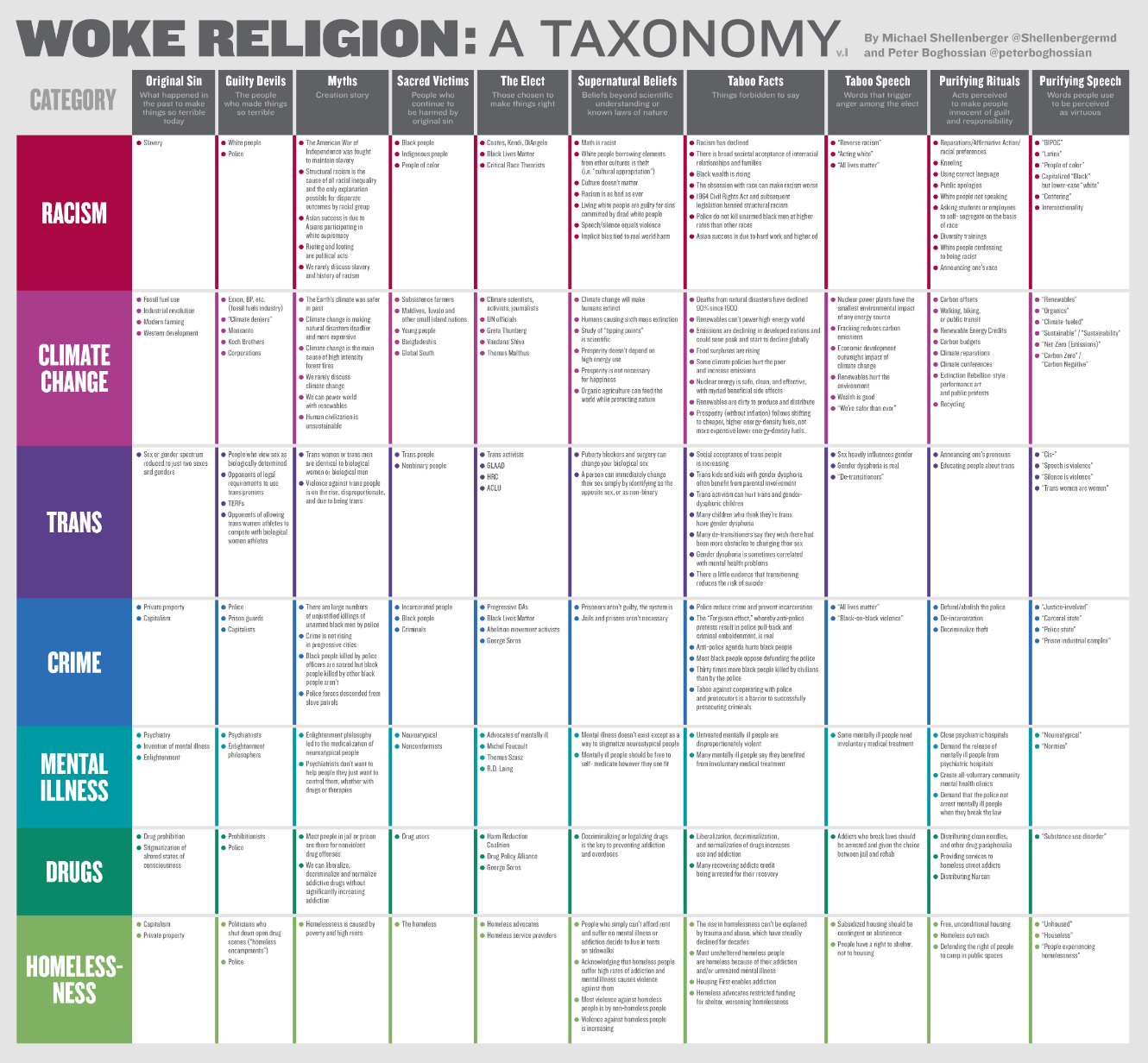
> _“Perhaps if it seems so ‘reasonable’ it is?”_
Yes… that's how it should be. But it's not that easy, is it? Thus my “seemingly reasonable”.
It takes time to examine complex arguments, and there are lots and lots of very talented charlatans, deranged PhD's, conspiracy theorists with mountains of creativity and resources at their disposal — and more than anything else, just decent, rational people with biases or mistakes in their reasoning who happen to be inadvertently defending wrong views.
One can find thick books, documentaries, and long blog posts with lots of seemingly robust references promoting any conceivable position on any conceivable topic. A lot of that seems reasonable.
😟
> _“How are you gauging whether your belief about #covid being a dangerous epidemic […] is based on available data or some other motive/bias?”_
I think I'm relying mostly on _authority_ (eg: MD's and biologists over anonymous Reddit users and my cousin; research institutions and international bodies over internet fora and TV pundits) and on _majorities_ (eg: I give more weight to what the majority of experts say than to the fringe doctor associations and isolated denunciators).
What are your tools or recipes to navigate this epistemic storm?
> _“A simple approach is to track your weekly/monthly level of conviction about various covid-related hypothesis as you read more + gather data and see how your convictions change overtime. Chances are that if they rarely change you're just choosing to belief a skewed biased narrative.”_
I'm not sure about that. Is a changing narrative a sign of accuracy or enlightenment? eg, my trust in the overall safety of air travel has not changed significantly over the last two or three decades. Is that because I'm captive to a skewed/biased view, or is it that what I thought about the subject thirty years ago was basically right?
/cc @Pat
> _“Certainty kills more than uncertainty. If you’re unsure, you err on the side of caution.”_
I'm not sure it works that way. Lots of counterexamples.
Before [Ignaz Semmelweis](https://en.wikipedia.org/wiki/Ignaz_Semmelweis), caution might well make doctors avoid the novel and highly dubious practice of hand-washing. The uncertainty and risks associated with sudden political changes could make a cautious individual oppose (or at least retire support for) the French Revolution or the American War of Independence. If the most cautious of pundits had had it their way, we would still not have “horseless carriages” or flying vehicles (those do kill many people, but they also take people to hospitals, evacuate refugees, airlift medicines and food, and simply make prosperous, modern life possible).
It's easy to see where “caution” lies with the benefit of hindsight; not so much when things are still being debated.

Definitely hot in summer. And all the asphalt doesn't help.
Then, I guess what you're comparing it to, of course. Having lived in London and Tokyo, and visited places like NYC, #Madrid does not strike me as particularly high-rise. And although it has its fair share of ugly buildings, it's not brutalist nor particularly degraded or anything like that.
As in most other European cities, there are beautiful picturesque old neighbourhoods suffused in History and art.
Perhaps you spent too much time in the outskirts or in commuter towns? I also find that the weather has a huge impact in how I perceive the places I visit.
I like Madrid. I have seen cities that seem much more liveable to me (the no. 1 in that ranking is very odd) — but Madrid has a farily balanced combination of financial/job opportunities, culture, services, atmosphere, and tolerance, IMHO.
---
Drop a DM before visiting next time, and perhaps I can show you around :) (/cc @lucifargundam).
@trinsec Just curious: what don't you like?
@jsmanrique Hombre, comparas peras con manzanas. Exterminar animales solo porque han invadido un área que no le es propia puede ser un argumento dudoso, o insuficiente; pero no sería nunca un argumento (ni siquiera dudoso o insuficiente) para matar a seres humanos. Simplemente la consideración moral es muy distinta.
#Madrid (🇪🇸 #Spain) is the most liveable #city in the world, and the 9th best city in the world overall, according to the Mori Memorial Foundation's “Global Power City Index” 2021.
https://mori-m-foundation.or.jp/english/ius2/gpci2/index.shtml


I agree: he talks in circles. And he's ambiguous on purpose.
I don't have the time (nor the patience) to dive deeper into his ideas, but your approximate quote reinforces my impression that he's sugar-coating very dangerous ideas: kings through History have not been champions of individual freedom nor _laissez faire_ advocates; quite the opposite.
_Some_ king _might_ be tolerant of, or indifferent towards, soft drugs, “decadent” art, “deviant” sexual habits, state religion, or whatever — sure. But it's obvious that if investing one person the power to rule others at their whim is a recipe for capricious repression and misery.
One can (should) criticise the shortcomings of our current systems without resorting to whitewashing forms of government that are demonstrably even worse.
---
Sorry for rambling. I think we both agree about these points. I'm thinking out loud — again :)
Or even: use a cute portrait of one of them as my status/avatar on IM apps. Never, ever going to do that. So cheesy! I have some pics where they're adorable, though. Very cute! But I'm not doing that. Privacy and stuff. And it's so cheesy, ffs! Really, really cute.
